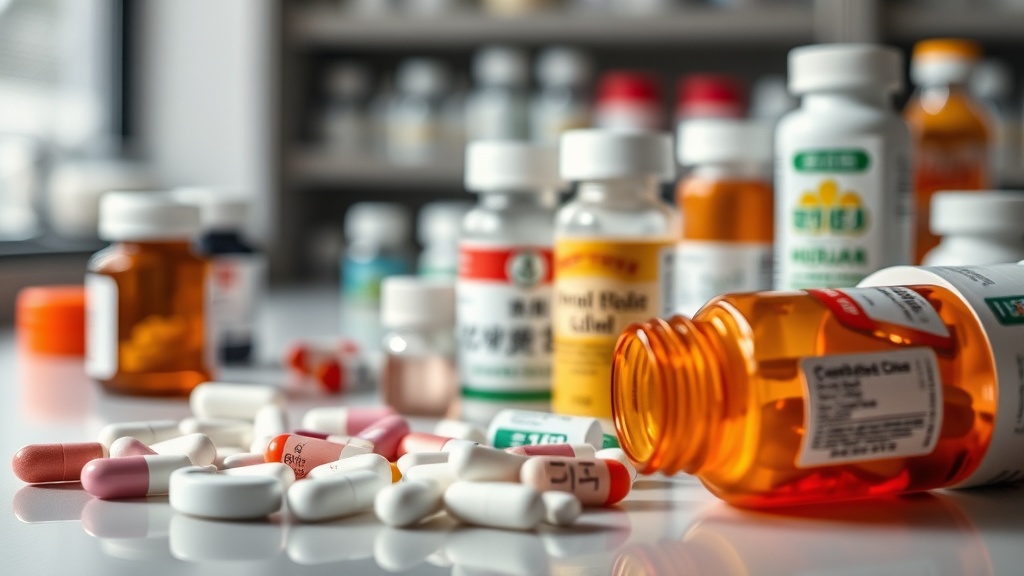
As consumers, we often trust that the medications we take are safe and effective. However, a significant concern arises from the fact that many active pharmaceutical ingredients (APIs) found in medications sold in the United States are manufactured in China. This article explores the risks associated with these medications, particularly focusing on those that contain potentially cancer-causing ingredients. We will also provide a comprehensive list of medications produced in China, raising awareness about the implications for public health.
Key Takeaways
- A significant percentage of active ingredients in U.S. medications are sourced from China.
- The FDA conducts limited inspections of overseas manufacturing facilities, raising safety concerns.
- Several medications have been recalled due to contamination with harmful substances.
- Awareness of the origin of pharmaceuticals can empower consumers to make safer choices.
Understanding the Manufacturing Landscape
According to the FDA, while pharmaceutical manufacturing facilities in the United States are inspected every two years, only about 7% of overseas facilities are examined annually. This stark contrast creates a gap in oversight that can jeopardize the safety of medications. With approximately 80% of the active ingredients in U.S. pharmaceuticals sourced from China and India, a growing reliance on these countries raises questions about the safety and quality of their products.
Many medications made in China have faced scrutiny due to contamination concerns. For example, the FDA recalled the generic blood pressure medication Valsartan after it was found to contain the carcinogenic compound N-nitrosodimethylamine (NDMA). This incident highlights the potential dangers associated with outsourcing drug manufacturing to regions with less stringent regulatory oversight.
Experts Rosemary Gibson and Janardan Prasad Singh, in their book “China RX: Exposing the Risks of America’s Dependence on China for Medicine,” argue that the complexity of outsourcing drug production makes it nearly impossible to guarantee safety. Their insights serve as a wake-up call for consumers and regulatory bodies alike, prompting further investigation into the origins of the medications we consume.
Medications Linked to Cancer-Causing Ingredients
The risks associated with medications manufactured in China are underscored by various high-profile cases. Heparin, a widely used blood thinner, was linked to 246 deaths due to contamination with unauthorized Chinese-made ingredients. This tragic outcome serves as a reminder of the potential hazards lurking in pharmaceutical products and the importance of rigorous safety standards.
Moreover, the presence of known carcinogens in other medications raises alarm bells. The FDA’s limited ability to inspect overseas facilities means that unsafe drugs can slip through the cracks, endangering public health. Consumers must be vigilant and informed about the medications they use, particularly those sourced from regions with less oversight.
In addition to Valsartan and Heparin, many other medications manufactured in China have faced scrutiny. Patients should be aware of the potential risks associated with these drugs and consider discussing alternatives with their healthcare providers.
List of Common Medications Made in China
Below is a list of common medications that are manufactured in China, highlighting the wide range of drugs that may contain unsafe ingredients:
- Aciclovir (Zovirax) – antiviral drug
- Advair – asthma medicine
- Amoxicillin – antibiotic
- Ibuprofen – anti-inflammatory painkiller
- Fluconazole – antifungal drug
- Atenolol – high blood pressure medicine
- Alprazolam (Xanax) – treatment for anxiety disorders
- Metformin – anti-diabetic drug
- Amiodarone Hydrochloride – treatment for irregular heartbeat
- Diclofenac Sodium – anti-inflammatory painkiller
Pros and Cons of Medications Manufactured in China
When considering medications produced in China, it is essential to weigh the pros and cons:
Pros
- Cost-Effectiveness: Medications manufactured in China are often less expensive due to lower production costs.
- Wide Availability: Many commonly prescribed drugs are sourced from Chinese manufacturers, ensuring a steady supply.
- Diverse Range: A broad array of medications are available, addressing various health needs.
Cons
- Safety Concerns: Limited FDA inspections of overseas facilities raise questions about product safety.
- Contamination Risks: Instances of contamination with harmful substances can lead to severe health risks.
- Lack of Transparency: Consumers may lack information about the origins and quality of the medications they take.
Frequently Asked Questions
- Q1: What should I do if I am taking a medication manufactured in China?
If you are currently taking a medication manufactured in China, it is advisable to consult with your healthcare provider. They can provide insights into the specific drug’s safety and efficacy. Additionally, discuss any concerns regarding potential side effects or alternatives that may be available.
It is also beneficial to stay informed about any recalls or safety alerts related to your medication. The FDA regularly updates its website with information on recalled drugs, which can help you make informed decisions regarding your health.
- Q2: Are there alternatives to drugs manufactured in China?
Yes, there are often alternatives available for many medications manufactured in China. These alternatives may include drugs produced by domestic manufacturers or those sourced from countries with stricter regulatory oversight. When considering alternatives, consult your healthcare provider to ensure that the substitute medication is appropriate for your condition.
Pharmacists can also provide valuable information on the origins of medications and suggest options that align with your safety preferences. Being proactive about your health can help mitigate risks associated with certain pharmaceuticals.
- Q3: How can I find out where my medication is manufactured?
To determine where your medication is manufactured, check the label on the packaging or the accompanying patient information leaflet. Pharmaceutical companies are required to disclose the country of origin for their products. Additionally, you can visit the manufacturer’s website or contact their customer service for more detailed information.
It is important to note that the country of manufacture does not always correlate with safety or quality. Therefore, understanding the regulatory standards of the manufacturing country can also provide valuable context when evaluating your medications.
- Q4: What role does the FDA play in ensuring medication safety?
The FDA is responsible for regulating pharmaceuticals in the United States, overseeing the safety, efficacy, and quality of drugs. The agency conducts inspections of manufacturing facilities, reviews clinical trial data, and monitors adverse events related to medications.
However, the limited frequency of inspections for overseas facilities means that the FDA cannot guarantee the safety of every drug imported into the U.S. This underscores the importance of consumer awareness and advocacy for stricter regulations on foreign manufacturing practices.
- Q5: Why is it important to be aware of the medications I take?
Being aware of the medications you take is crucial for your overall health and safety. Understanding the origin, ingredients, and potential risks associated with your drugs can empower you to make informed decisions about your treatment options. This awareness can be particularly important in light of recent recalls and safety alerts related to medications manufactured in China.
Staying informed also enables you to advocate for your health, ensuring that you receive safe and effective treatments. Regularly discussing your medications with your healthcare provider is a proactive step in maintaining your health.
Conclusion
In conclusion, the safety of medications sourced from China is a pressing concern that requires attention from consumers and healthcare professionals alike. The risks associated with contamination and the limited oversight of overseas manufacturing facilities highlight the importance of being informed about the medications we consume. By understanding the potential dangers and advocating for safer practices, we can contribute to a healthier future for ourselves and our communities.
The outsourcing of pharmaceutical manufacturing to countries like China poses significant risks to public health, necessitating greater awareness and action.
Knowing the origin of your medications can empower you to make informed choices about your health and safety.