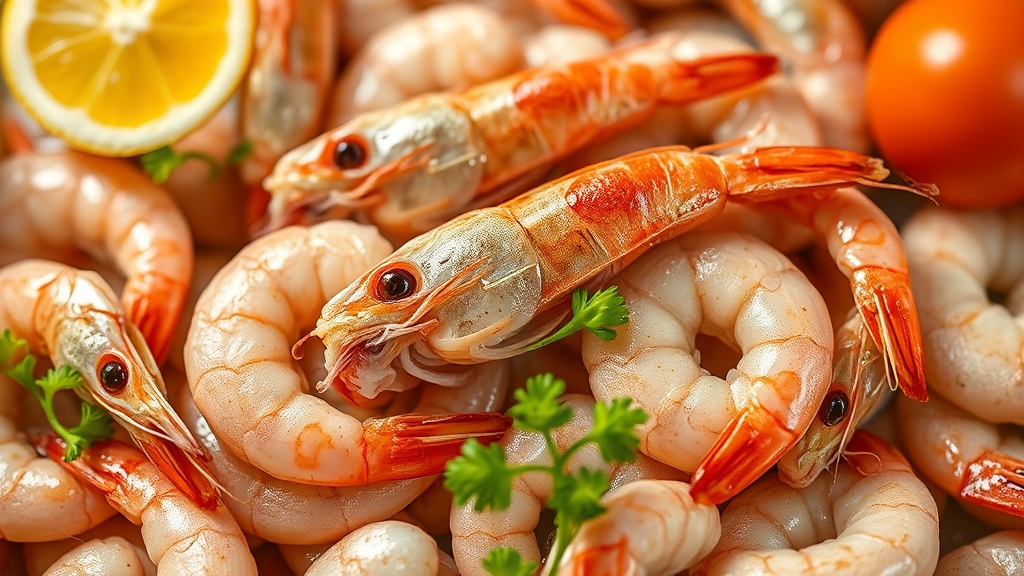
When indulging in a delicious plate of shrimp, many consumers remain blissfully unaware of the potential toxins and harmful substances that accompany their meal. Recent studies have shed light on the alarming practices within the shrimp farming industry, revealing a cocktail of drugs, pesticides, and environmental degradation that may pose serious health risks. This article aims to explore these issues in depth, providing essential information for health-conscious consumers.
Key Takeaways
- Farmed shrimp often contain harmful drugs and pesticides.
- Environmental damage from shrimp farming is significant, particularly in tropical regions.
- India, a major shrimp supplier to the U.S., has faced numerous quality and safety concerns.
- Eating farmed shrimp may expose consumers to antibiotic residues and health risks.
- Natural remedies like Reishi mushrooms may support detoxification from harmful substances.
Understanding Shrimp Farming Practices
The shrimp farming industry, particularly in countries like China, has raised significant concerns regarding the practices involved in aquaculture. According to Craig Weatherby’s independent report, the industry often overcrowds fish and shellfish in facilities, leading to rampant waste production, contaminated water, and the spread of disease (Food & Water Watch, 2007). This unsustainable method of production not only jeopardizes the health of the shrimp but also poses risks to consumers.
To combat the spread of infections and parasites in overcrowded environments, farmers frequently resort to using antibiotics and chemical additives. These substances can accumulate in the shrimp, potentially leading to dangerous health consequences for consumers who unknowingly ingest them. As a result, it is crucial for consumers to be aware of where their shrimp comes from and the farming practices involved.
Environmental Impact of Shrimp Farming
Moreover, the environmental repercussions of shrimp farming cannot be overlooked. The industry has been identified as a significant contributor to the destruction of mangrove forests, particularly in tropical regions such as Indonesia and Thailand. Mangroves serve as essential ecosystems, providing breeding grounds for numerous marine species. As Greenpeace highlights, the relentless expansion of shrimp farms leads to the bulldozing of these vital habitats, transforming vibrant ecosystems into barren landscapes devoid of life.
The use of chemical additives, including chlorine and various pesticides, further exacerbates the environmental crisis. These substances not only harm the shrimp but also contaminate surrounding waters, affecting local wildlife and ecosystems. The negative impact of shrimp farming on the environment is a critical aspect that consumers should consider when making purchasing decisions.
Health Risks Associated with Farmed Shrimp
Research indicates that consuming farmed shrimp may expose individuals to a range of health risks. Public Citizen, a consumer advocacy group, warns that many health-conscious consumers remain unaware of the potential dangers lurking within the flesh of farmed shrimp. The presence of antibiotic residues, pesticides, and other harmful substances can lead to serious health issues, including neurological damage and allergic reactions.
Food and Water Watch emphasizes that the crowded conditions in shrimp farms create an environment where diseases can thrive. In some cases, entire ponds may be wiped out due to rampant infections, leading to severe economic consequences for local communities and industries. Understanding these health risks is essential for consumers seeking to make informed dietary choices.
Shrimp Sourcing: The Case of India
In recent years, India has emerged as the largest foreign supplier of shrimp to the United States. However, this status comes with serious concerns regarding quality and safety. Reports have consistently flagged Indian shrimp farms for overcrowded ponds, contaminated water supplies, and excessive antibiotic use to keep shrimp alive in subpar conditions. As a result, shipments from India are among the most frequently rejected by U.S. inspectors due to hygiene violations and antibiotic residues.
As consumers become more aware of the origins of their seafood, they are questioning whether the low prices associated with imported shrimp are worth the potential health risks. The growing scrutiny on shrimp sourcing highlights the importance of transparency in the seafood industry, allowing consumers to make choices that align with their health and environmental values.
Detoxifying the Body
Amidst the growing concerns about the consumption of farmed shrimp, individuals may seek ways to support their body’s natural detoxification processes. Regular exposure to toxins from various sources can lead to fatigue, stress, and an increased risk of diseases. One natural remedy gaining attention for its detoxifying properties is the Reishi mushroom.
Reishi mushrooms are believed to enhance liver function, promoting the excretion of fat-soluble toxins. Studies have indicated that these mushrooms may also contribute to longevity and help manage common age-related conditions. Incorporating natural detoxifiers like Reishi into one’s diet may offer a proactive approach to mitigating the potential health risks associated with consuming farmed shrimp.
Frequently Asked Questions
- What are the main toxins found in farmed shrimp?
Farmed shrimp can contain a variety of harmful substances, including antibiotic residues, pesticides, and chemical additives. These toxins can accumulate in the shrimp and pose significant health risks to consumers. Regular consumption of contaminated shrimp may lead to neurological damage, allergic reactions, or infections from antibiotic-resistant pathogens.
- How can I identify safe shrimp to consume?
To ensure the shrimp you consume is safe, look for labels indicating sustainable and responsible sourcing. Certifications from reputable organizations can provide assurance regarding the farming practices used. Additionally, opting for shrimp caught in the wild rather than farmed can reduce the risk of exposure to harmful substances.
- What are the environmental impacts of shrimp farming?
Shrimp farming contributes significantly to the destruction of vital ecosystems, particularly mangrove forests. The practices involved often lead to habitat loss and environmental degradation, which can have cascading effects on local wildlife. Chemical runoff from shrimp farms also poses a threat to surrounding aquatic environments.
- Are there health benefits to detoxifying with Reishi mushrooms?
Reishi mushrooms are known for their potential to support liver health and enhance detoxification processes. They may help the body eliminate harmful substances accumulated from various sources, including dietary choices. Incorporating Reishi mushrooms into your diet can be a proactive way to promote overall well-being.
- Why are shrimp from India often rejected by U.S. inspectors?
Shipments of shrimp from India have frequently been rejected by U.S. inspectors due to hygiene violations and the presence of antibiotic residues. Concerns regarding overcrowded farming practices and contaminated water supplies have also contributed to the growing scrutiny of Indian shrimp in the U.S. market.
Conclusion
The shrimp farming industry is fraught with issues that pose significant risks to both consumers and the environment. With alarming levels of toxins present in farmed shrimp and the destruction of vital ecosystems, it is crucial for consumers to remain informed about their seafood choices. By prioritizing sustainable and safe sourcing, individuals can make dietary decisions that align with their health and environmental values. As awareness increases, the demand for responsibly sourced shrimp may lead to positive changes within the industry, benefiting both consumers and the planet.