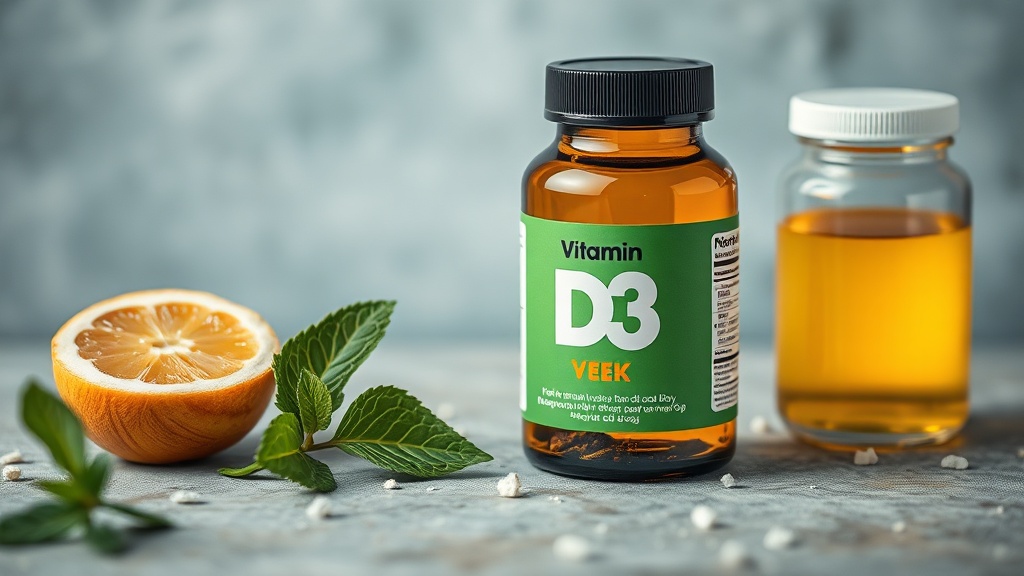
Vitamin D3 is often praised for its numerous health benefits, including supporting bone strength, immunity, and overall wellness. However, the reliance on synthetic supplements may lead to unintended consequences. This article explores the potential downsides of vitamin D3, the importance of natural sources, and how to make informed choices for your health.
Key Takeaways
- Vitamin D3 is essential for various bodily functions but sourcing matters.
- Synthetic D3 may not be absorbed as efficiently as natural sources.
- Natural sources like sunlight and whole foods can offer better health benefits.
- Understanding the production of synthetic supplements is crucial.
- Moderation is key when considering supplementation.
Understanding the Importance of Vitamin D3
Vitamin D3, also known as cholecalciferol, plays a vital role in the body by promoting calcium absorption, which is essential for maintaining strong bones. This vitamin also enhances immune function and supports metabolic processes, making it a crucial nutrient for overall health. Insufficient levels of vitamin D3 can lead to various health issues, including weakened immunity and diminished energy levels.
Many people are unaware that vitamin D3 can be synthesized naturally through exposure to sunlight. When UVB rays hit the skin, they interact with cholesterol to produce vitamin D3, a process that highlights the importance of sun exposure in maintaining adequate levels of this essential nutrient. However, with lifestyle changes and increased indoor time, many individuals may find themselves deficient.
The Dangers of Synthetic Vitamin D3
The term “rat poison” is sometimes associated with synthetic vitamin D3, which is a stark reminder of the potential dangers of excessive dosages. While the doses in supplements are significantly lower than those used in rodenticides, it’s important to understand that synthetic vitamin D3 is manufactured through industrial processes that involve chemical alterations and high-intensity ultraviolet light.
This synthetic form, often derived from lanolin—a substance obtained from sheep’s wool—undergoes extensive processing before it reaches supplement form. As a result, many people are skeptical about the effectiveness and safety of synthetic vitamin D3, particularly when natural alternatives exist.
Moreover, synthetic supplements may not be absorbed as efficiently by the body compared to nutrients derived from whole foods. This can lead to accumulation in the body and potential toxicity, emphasizing the need for cautious use of these products.
The Case for Natural Sources of Vitamin D3
Given the potential drawbacks of synthetic vitamin D3, many individuals are turning back to ancestral and natural sources of this vital nutrient. Natural sources not only provide vitamin D3 but also include other essential nutrients that facilitate its absorption and utilization within the body.
One of the most effective ways to obtain vitamin D3 is through sunlight exposure. Spending time outdoors, especially during sunny days, allows the body to produce vitamin D3 naturally. It’s essential to balance sun exposure to obtain adequate vitamin D while avoiding the risks associated with overexposure, such as skin damage.
In addition to sunlight, certain foods are excellent sources of vitamin D3. For instance, lard from pasture-raised animals is rich in this vitamin due to the animals’ sun exposure. Incorporating such natural fats into your diet can be a simple way to boost your vitamin D levels through everyday meals.
Nutritious Foods Rich in Vitamin D3
Whole foods are a reliable and beneficial option for increasing vitamin D3 intake. Organ meats, particularly beef and pork liver, are nutrient-dense and provide vitamin D3 along with other vital nutrients like vitamin A and iron. These foods offer a holistic approach to nutrition, allowing the body to absorb and utilize vitamins more effectively.
Additionally, fatty fish such as salmon, sardines, and mackerel are well-known for their high vitamin D3 content. Cod liver oil is another valuable source, delivering not only vitamin D3 but also omega-3 fatty acids, which support heart health. Furthermore, pasture-raised egg yolks are a convenient and nutritious way to incorporate vitamin D3 into your diet.
Opting for these natural sources can enhance your nutrient intake while avoiding the potential pitfalls associated with synthetic supplements.
When to Consider Supplementation
<pWhile natural sources are preferable, there are instances where supplementation becomes necessary, especially during winter months or in regions with limited sunlight. If you find that your dietary intake and sun exposure are insufficient, a vitamin D3 supplement may be beneficial.
However, it is crucial to approach supplementation with caution. Moderation is key; high doses can lead to toxicity. Always consult a healthcare professional before beginning any supplementation regimen. When selecting a supplement, choose high-quality brands that confirm their products’ purity and efficacy.
Considering the synergy between vitamin D3 and vitamin K2, it may also be beneficial to pair the two, as they work together to promote optimal health.
Frequently Asked Questions
- Q1: What are the symptoms of vitamin D3 deficiency?
Symptoms of vitamin D3 deficiency can vary but often include fatigue, muscle weakness, and bone pain. Individuals may also experience mood swings or an increased susceptibility to infections. In severe cases, prolonged deficiency can lead to conditions such as osteoporosis.
- Q2: How can I increase my vitamin D3 levels naturally?
To boost your vitamin D3 levels naturally, prioritize safe sun exposure, especially during peak hours. Incorporating vitamin D-rich foods into your diet, such as fatty fish, organ meats, and fortified foods, can also help. Additionally, consider healthy fats which support the conversion of cholesterol to vitamin D3.
- Q3: Are there risks associated with taking too much vitamin D3?
Yes, excessive intake of vitamin D3 can lead to toxicity, characterized by symptoms such as nausea, vomiting, weakness, and serious complications like kidney damage. It is essential to adhere to recommended dosages and consult a healthcare provider if you are uncertain.
- Q4: How does vitamin K2 work with vitamin D3?
Vitamin K2 plays a crucial role in calcium metabolism. It helps direct calcium to the bones while preventing it from depositing in the arteries and soft tissues. This synergy makes pairing vitamin D3 with vitamin K2 beneficial for maintaining bone and cardiovascular health.
- Q5: Can I get enough vitamin D3 from diet alone?
While some foods contain vitamin D3, it can be challenging to obtain sufficient levels solely through diet, especially for those with limited sun exposure. Hence, a combination of sunlight, dietary sources, and, if necessary, supplementation is often recommended to achieve optimal vitamin D3 levels.
Conclusion
Vitamin D3 is crucial for maintaining overall health, but the method of obtaining it significantly impacts its effectiveness. Natural sources such as sunlight, lard, fatty fish, and organ meats provide vitamin D3 in forms the body can readily utilize. In contrast, synthetic supplements may pose risks and do not always offer the same benefits. By prioritizing natural sources and making informed choices, you can enhance your vitamin D levels safely and effectively.