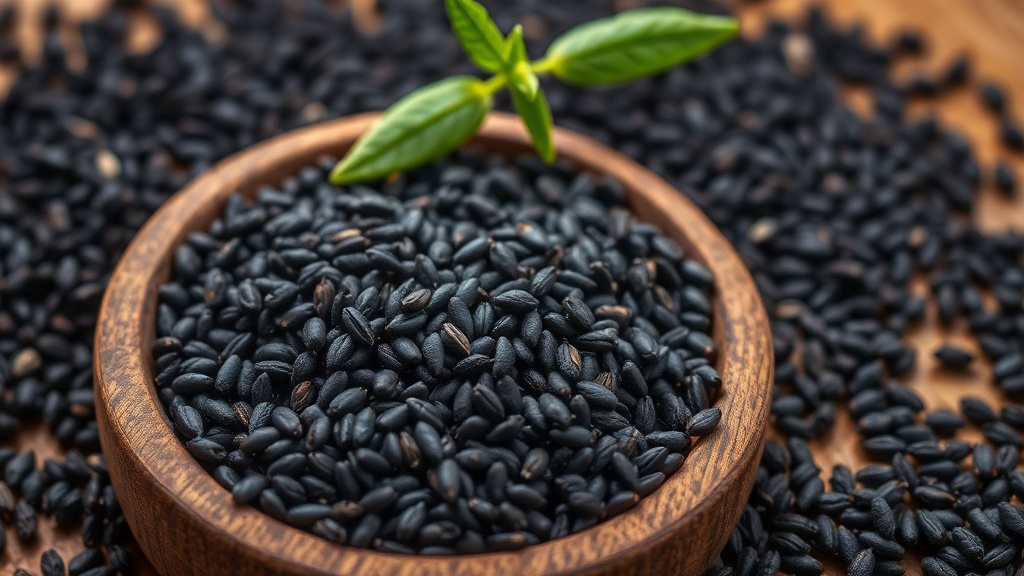
In recent years, there has been a significant shift towards natural remedies, with many individuals seeking alternatives to conventional medications. Among these remedies, black seed, derived from the Nigella sativa plant, has gained considerable attention for its extensive health benefits. Known as a miracle herb, black seed oil has a rich history of use that dates back centuries. This article will explore the numerous health benefits of black seed oil, its applications in treating various conditions, and how to incorporate it into your daily routine.
Key Takeaways
- Black seed oil is renowned for its diverse health benefits, supported by extensive research.
- It contains over 1600 natural compounds beneficial for various bodily functions.
- Black seed oil can aid in managing autoimmune conditions like Hashimoto’s disease.
- The oil supports cardiovascular health and boosts the immune system.
- Incorporating black seed oil into your routine can enhance overall well-being.
Introduction to Black Seed Oil
Black seed oil, also known as black cumin seed oil or black coriander oil, is extracted from the seeds of the Nigella sativa plant, which is native to Asia. This remarkable oil has been celebrated in traditional medicine for centuries, particularly in the Middle East and Western Asia. Its historical significance is highlighted by its discovery in the tomb of the Egyptian pharaoh Tutankhamun, where it was believed to be a remedy for all ailments except death.
The oil is rich in essential nutrients, containing a range of vitamins, minerals, and fatty acids that contribute to its therapeutic properties. With a growing body of scientific research backing its claims, black seed oil has become a prominent natural solution for various health issues.
Health Benefits of Black Seed Oil
Research has confirmed many health benefits associated with black seed oil, with over 656 published studies since 1964 highlighting its efficacy. The oil is packed with natural compounds that offer a wide array of benefits, making it a valuable addition to anyone’s health regime. Some of the most prominent benefits include support for liver function, digestive health, and immune system enhancement.
Additionally, black seed oil is known to lower blood sugar levels, aid in weight loss, and promote healthy skin and hair. Its anti-inflammatory properties help support joint health and lung function, making it an excellent choice for individuals looking to improve their overall health and well-being.
Black Seed Oil and Autoimmune Conditions
A particularly notable application of black seed oil is in the treatment of autoimmune conditions such as Hashimoto’s disease, a common cause of hypothyroidism. A recent study published in the journal BMC Complementary Medicine and Therapies demonstrated that black seeds can effectively improve biomarkers related to thyroid health. This finding positions black seed oil as a potential natural remedy for those suffering from thyroid issues.
By incorporating black seed oil into their diets, individuals with autoimmune conditions may experience improved health outcomes, making it a worthwhile consideration for anyone dealing with such disorders.
Supporting Cardiovascular Health
The heart benefits significantly from black seed oil, as evidenced by a 2020 study published in the journal Food Science & Nutrition Research. This research highlighted the oil’s ability to support healthy blood pressure and heart rate, crucial factors in maintaining a healthy cardiovascular system. The oil contains a compound called thymoquinone, which has been shown to suppress cancer growth and boost immune function, further supporting overall cardiovascular health.
Additionally, black seed oil is rich in various fatty acids and essential nutrients, including myristic acid, palmitic acid, and vitamins B1, B2, B3, calcium, and iron. These components contribute to the oil’s ability to promote heart health and combat various health issues.
How to Incorporate Black Seed Oil into Your Routine
Incorporating black seed oil into your daily routine is straightforward. For topical applications, simply massage the oil onto the skin, which can help with skin-related issues. For internal use, black seed oil can be consumed in either capsule or liquid form. It is advisable to start with 1 teaspoon (5 mL) per day for general health purposes.
To enhance the taste and health benefits, you can mix liquid black seed oil with raw organic honey or lemon juice. For those dealing with autoimmune conditions, it is recommended to take 1 teaspoon immediately after your largest meal for the first four days, then gradually increase to 1 tablespoon over the course of ten days. This regimen can significantly enhance your health over a 30-day period.
Pros and Cons of Black Seed Oil
Like any supplement, black seed oil has its pros and cons. On the positive side, it is a natural remedy with extensive health benefits, supported by scientific research. It is versatile, as it can be used topically or consumed, making it accessible for various users. Additionally, its historical significance adds to its allure as a trusted natural remedy.
However, there are potential drawbacks, including the possibility of allergic reactions in some individuals. It is essential to consult a healthcare provider before starting any new supplement, especially for those with pre-existing medical conditions or those taking other medications. Furthermore, while research supports many of its benefits, more extensive clinical trials are needed to fully understand its effects and potential side effects.
Frequently Asked Questions
- What is black seed oil?
Black seed oil is an oil extracted from the seeds of the Nigella sativa plant. It has been used for centuries in traditional medicine due to its numerous health benefits. Rich in essential nutrients, it is often referred to as a miracle herb or superfood.
- What are the main health benefits of black seed oil?
Black seed oil offers various health benefits, including support for liver and digestive health, immune system enhancement, joint health, weight loss, and skin and hair nourishment. Its compounds have also been found to lower blood sugar levels and support lung function.
- Can black seed oil help with autoimmune diseases?
Yes, recent studies have shown that black seed oil can be beneficial for individuals with autoimmune diseases, particularly Hashimoto’s disease. It has been associated with improved thyroid health markers, making it a potential natural treatment option.
- How can I use black seed oil?
Black seed oil can be used topically by massaging it onto the skin or consumed in capsule or liquid form. For general health, starting with 1 teaspoon per day is recommended, and it can be mixed with honey or lemon juice for added flavor and benefits.
- Are there any side effects of black seed oil?
While black seed oil is generally considered safe, some individuals may experience allergic reactions. It is crucial to consult a healthcare professional before starting any new supplement, especially for those with existing health conditions or taking medications.
Conclusion
Black seed oil is a remarkable natural remedy with a multitude of health benefits, making it a valuable addition to anyone’s wellness routine. With a rich history and a growing body of scientific evidence supporting its efficacy, black seed oil stands out as a powerful tool for promoting overall health. By understanding its benefits and incorporating it into your daily routine, you can harness the potential of this extraordinary oil to enhance your well-being.