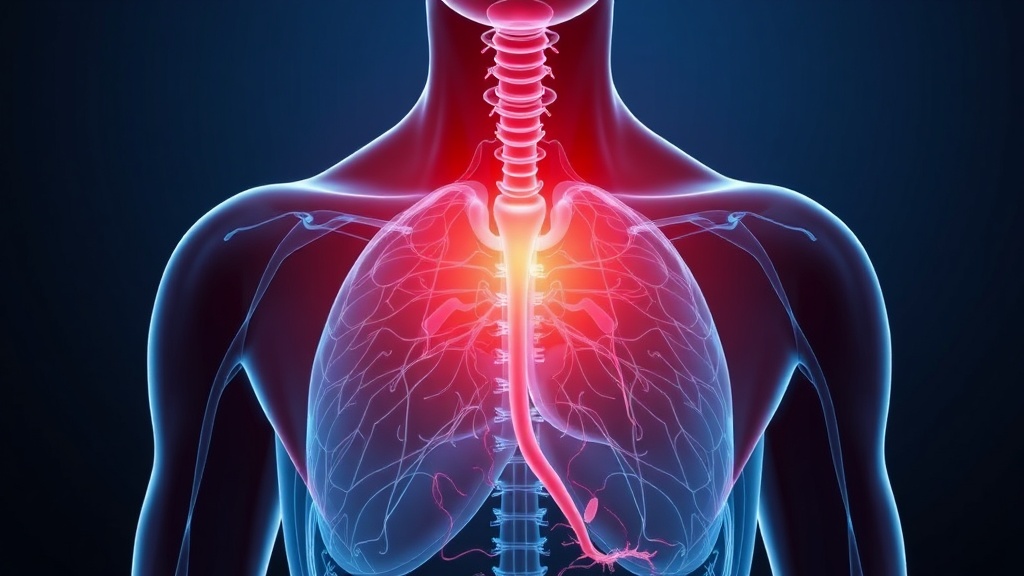
The lymphatic system plays a crucial role in maintaining our health, yet it often goes unnoticed. While many can name major organs like the heart or brain, the lymphatic system—a complex web of vessels, nodes, and organs—remains an enigma for many. This system is essential for immune function, waste removal, and fluid balance, but it can also be a pathway for diseases like cancer. Understanding the signs of lymphatic congestion is vital for early detection and intervention.
Key Takeaways
- Understanding lymphatic congestion can aid in early detection of health issues.
- Healthy lymphatic flow is critical for immune function and overall well-being.
- Several lifestyle changes can improve lymphatic health.
What Is the Lymphatic System?
The lymphatic system is a one-way drainage network designed to transport lymph, a clear fluid that contains immune cells, fats, proteins, and waste. This system comprises lymph vessels, lymph nodes, and various organs such as the spleen and thymus. Unlike the cardiovascular system, which has a pump (the heart), the lymphatic system relies on physical movements, muscle contractions, and even gravity to circulate lymph fluid throughout the body.
When lymph flow is impeded, it can lead to a host of health problems, including the accumulation of waste, increased inflammation, and a weakened immune response. This stagnation not only hinders the body’s ability to detoxify but can also create an environment conducive to diseases, including cancer.
Understanding your lymphatic system is essential since it plays a pivotal role in immune defense and maintaining fluid balance in the body. When functioning optimally, it helps filter out harmful substances and pathogens, contributing to overall health.
The Importance of the Lymphatic System for Immune Health
Your lymphatic system performs several critical roles daily. It removes cellular waste and toxins from the body, transports immune cells to sites of infection, and filters out harmful bacteria and viruses. The lymph nodes act as checkpoints for the immune system; when they swell, it is often a sign that the body is fighting off an infection or another health threat.
However, chronic congestion in the lymphatic system can impair this immune surveillance, allowing abnormal cells to escape detection. This is particularly concerning regarding cancer, which can spread through lymphatic pathways. Hence, understanding how to keep this system flowing is vital for long-term health.
Regular monitoring of lymphatic health can help identify issues early, allowing for timely interventions. This vigilance can be crucial for those at higher risk for lymphatic-related conditions.
How Cancer Can Spread Through the Lymphatic System
Cancer metastasis often occurs through the lymphatic system. The process begins when cancer cells break away from the original tumor and enter nearby lymph vessels. Once in the lymphatic system, these cells can lodge in lymph nodes and potentially travel to distant organs, complicating treatment and prognosis.
Doctors frequently examine lymph nodes to determine the stage of cancer because the presence of malignant cells in these nodes indicates that the cancer has started to spread. An overloaded or sluggish lymphatic system may reduce the body’s ability to clear these abnormal cells efficiently, heightening the risk of metastasis.
Understanding this mechanism highlights the importance of maintaining healthy lymphatic function. Lifestyle choices that promote lymph flow can significantly impact overall health and the body’s ability to fend off diseases.
Symptoms of Lymphatic Congestion
Recognizing the signs of a sluggish lymphatic system is crucial for timely intervention. Common symptoms include swollen lymph nodes, persistent fatigue, frequent infections, fluid retention, brain fog, and chronic inflammation. These symptoms may be overlooked, often mistaken for common ailments, yet they can signify a deeper issue with lymphatic health.
Modern lifestyles—characterized by prolonged sitting, shallow breathing, and diets high in processed foods—can drastically reduce lymph flow. As a result, it is becoming increasingly important to incorporate activities that encourage lymphatic drainage into daily routines.
Awareness of these symptoms can empower individuals to seek assistance and make lifestyle changes that promote lymphatic health, ultimately leading to better overall health outcomes.
Effective Ways to Stimulate Lymphatic Flow
Fortunately, several methods can help stimulate lymphatic flow and improve overall lymphatic health. Here are some effective strategies:
- Rebounding: Bouncing on a mini-trampoline can effectively stimulate lymph flow by creating changes in gravity that open and close lymphatic valves. Just 5–10 minutes of gentle bouncing can significantly boost circulation.
- Castor Oil Packs: Applying castor oil topically over lymph-dense areas can support lymphatic drainage and reduce inflammation. Many users report benefits such as improved digestion and reduced swelling.
- Deep Breathing: Practicing deep diaphragmatic breathing can drive lymph flow by acting as an internal pump for the thoracic duct, the largest lymph vessel in the body.
- Walking and Muscle Contraction: Simple movements, such as walking, can promote lymphatic circulation. Every muscle contraction helps push lymph through its channels, enhancing overall flow.
Incorporating these practices into a daily routine can create a more robust and responsive lymphatic system, contributing to better health.
Nutrition’s Role in Lymphatic Health
The lymphatic system plays a crucial role in transporting dietary fats, meaning that the types of fats consumed can directly impact lymph quality. A diet rich in healthy fats can promote optimal lymph function, while processed fats may lead to congestion.
Some individuals have reported improvements in inflammation and immune symptoms while following a carnivore or animal-based diet. Potential mechanisms for these improvements include the removal of inflammatory plant compounds and lower overall toxin exposure from processed foods. However, this approach should not replace professional medical advice, especially for serious health conditions.
Ultimately, while nutrition can support lymphatic and immune health, it is essential to approach dietary changes cautiously and under medical supervision when necessary.
Frequently Asked Questions
- What are the common signs of lymphatic congestion?
Common signs of lymphatic congestion include swollen lymph nodes, persistent fatigue, fluid retention, brain fog, and frequent infections. Recognizing these signs is essential for early intervention.
- Can lifestyle changes improve lymphatic health?
Yes, lifestyle changes such as regular exercise, deep breathing techniques, and a nutritious diet can significantly improve lymphatic health. Activities that promote movement and circulation are particularly beneficial.
- Is there a specific diet for better lymphatic health?
While no specific diet guarantees lymphatic health, consuming healthy fats and minimizing processed foods can support lymphatic function. Individual responses to dietary changes can vary, so it’s advisable to consult a healthcare professional.
- How does the lymphatic system relate to cancer?
The lymphatic system is a primary route for cancer metastasis. Cancer cells can spread through lymph vessels to lymph nodes and other organs, making lymphatic health critical for early detection and treatment.
- Should I consult a doctor if I experience symptoms of lymphatic congestion?
Yes, if you experience symptoms of lymphatic congestion, it is essential to consult a healthcare professional for proper evaluation and management. Early intervention can significantly impact health outcomes.
Conclusion
The lymphatic system is a vital component of our body’s immune defense and waste removal processes. Understanding and maintaining its health through movement, proper breathing, and good nutrition can have profound effects on overall well-being. Awareness of symptoms of lymphatic congestion can empower individuals to take action and seek timely medical advice. By protecting the flow of lymph, we can support our health and enhance our body’s ability to heal and thrive.