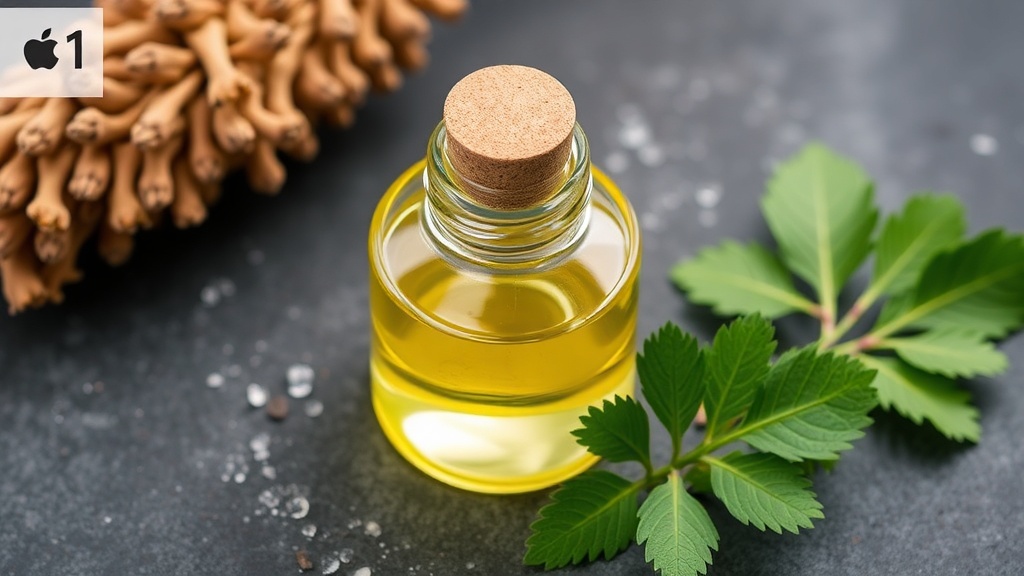
In the quest for natural health solutions, castor oil stands out as a powerful agent for gut cleansing. With a rich history of use for various ailments, this natural vegetable oil derived from the seeds of the Ricinus communis plant offers unique benefits for digestive health. This article delves into the remarkable properties of castor oil, its effectiveness in gut cleansing, and how to safely incorporate it into your wellness routine.
Understanding Castor Oil
Castor oil is a thick, viscous oil that has been utilized for centuries for its various health benefits. Extracted from the seeds of the Ricinus communis plant, this oil is renowned for its high content of ricinoleic acid, a fatty acid celebrated for its therapeutic properties. Its versatility extends beyond digestion, making it a staple in natural remedies for skin care, hair health, and even joint relief.
The unique composition of castor oil not only aids in digestion but also contributes to overall wellness. The historical use of castor oil as a remedy highlights its significance, with many cultures relying on it for its numerous health advantages. Its natural origin appeals to those seeking alternatives to synthetic medications.
As a natural product, castor oil embodies the essence of holistic health. Understanding its properties allows us to appreciate its role in promoting bodily functions and its potential to enhance our well-being.
The Role of Castor Oil in Gut Cleansing
Castor oil is particularly well-known for its effectiveness in gut cleansing. The ricinoleic acid found in castor oil acts as a natural stimulant for the intestines, facilitating contractions that promote the expulsion of waste and toxins from the digestive system. This makes it an excellent choice for individuals seeking relief from occasional constipation and wishing to reset their digestive health.
Unlike harsh chemical laxatives that can disrupt the natural balance of the gut, castor oil provides a gentler approach to cleansing. Its fast-acting nature means that users can often expect results within a few hours, making it a convenient option for those looking to alleviate discomfort quickly.
The deep cleansing action of castor oil not only aids in waste removal but also fosters a feeling of rejuvenation in the gut, allowing for improved digestive function. This process can be beneficial for maintaining overall digestive health and preventing future issues.
How to Safely Use Castor Oil for Cleansing
Utilizing castor oil for gut cleansing can be straightforward, but it is essential to approach it with caution. Before incorporating castor oil into your routine, it’s advisable to consult with a healthcare provider, especially if you are pregnant, nursing, or taking medication. A common method involves taking 1–2 tablespoons of cold-pressed castor oil on an empty stomach, often mixed with warm water, juice, or ginger tea to mask its strong flavor.
Staying hydrated throughout the day is crucial when using castor oil for cleansing. Drinking plenty of water helps support the body’s natural detoxification processes and ensures that the intestines remain well-lubricated. Users should be aware that results typically manifest within a few hours, and staying near a restroom during this time is advisable.
It’s important to note that castor oil is not recommended for daily use. Instead, it should be reserved for occasional cleanses or temporary relief from constipation, ensuring that it remains an effective tool rather than a habitual solution.
Additional Benefits of Castor Oil
Beyond its gut-cleansing properties, castor oil is a versatile natural remedy with a myriad of applications. It is commonly used in skincare routines due to its ability to moisturize dry skin, soothe irritation, and potentially assist in reducing acne scars. Its rich composition makes it a popular choice for individuals seeking to enhance their skin’s health and appearance.
Moreover, castor oil is often applied to the scalp to promote hair growth and thickness. Many people have found success in using castor oil as a treatment for hair health, benefiting from its nourishing properties.
The oil’s application extends to muscle and joint relief as well, where it can be used in massages or packs to alleviate soreness and stiffness. Additionally, castor oil packs, applied to the abdomen, are believed to stimulate lymphatic flow, further enhancing its reputation as a holistic remedy.
Safety and Precautions
While castor oil is a natural product, it is essential to recognize its potency. Overuse can lead to adverse effects such as cramping, diarrhea, or dehydration. Therefore, starting with a small dose is vital to monitor how your body responds. Pregnant individuals should avoid internal use, as it may induce uterine contractions.
Understanding the appropriate usage of castor oil is critical to harnessing its benefits while minimizing potential risks. It’s advisable to educate oneself on the proper dosages and methods of application to ensure safe and effective use.
Incorporating castor oil into your wellness routine can be a rewarding experience when done responsibly. By respecting its potency and adhering to recommended guidelines, you can unlock the numerous benefits it has to offer.
Frequently Asked Questions
- What is castor oil, and how does it work for gut cleansing?
Castor oil is a natural oil derived from the seeds of the Ricinus communis plant, known for its high ricinoleic acid content. This fatty acid stimulates intestinal contractions, promoting the expulsion of waste and toxins from the digestive system, making it effective for gut cleansing.
When consumed, castor oil initiates a natural cleansing process, often yielding results within a few hours. It is a gentler alternative to chemical laxatives, offering a more holistic approach to digestive health.
- How should I use castor oil for gut cleansing?
To use castor oil for gut cleansing, it is recommended to take 1–2 tablespoons of cold-pressed oil on an empty stomach. Mixing it with warm water, juice, or ginger tea can help mask its strong taste. Staying hydrated is essential, as it supports the body’s detoxification processes.
Always consult a healthcare provider before starting any new health regimen, especially if you are pregnant, nursing, or taking medications. Reserve castor oil for occasional cleanses rather than daily use to maintain its effectiveness.
- Are there any side effects associated with castor oil?
While castor oil is natural, it can cause side effects if overused. Common issues include cramping, diarrhea, and dehydration. It is crucial to start with a small dose and observe your body’s reactions to avoid discomfort.
Pregnant women should refrain from using castor oil internally, as it may induce uterine contractions. As with any natural remedy, understanding the proper usage and potential risks is vital for safe consumption.