Honey has long been cherished for its sweetness and health benefits, but the truth about what we find on store shelves can be quite shocking. Many consumers believe they are purchasing organic honey, only to find out that the product may not meet their expectations. This article explores the realities of honey production in America, the challenges of identifying authentic honey, and the best practices for selecting high-quality options.
Key Takeaways
- Raw honey possesses numerous health benefits that are often lost in processed varieties.
- Many honey products in the market are adulterated or fake, especially those imported from abroad.
- There is no official USDA certification for organic honey, leading to potential consumer confusion.
- Choosing local, raw, or single-source honey can ensure authenticity and quality.
- Be aware of brands that have been flagged for adulteration or questionable sourcing.
The Nutritional Power of Raw Honey
Raw honey stands out not just as a sweetener but as a nutrient-rich superfood. It is unheated, unpasteurized, and unfiltered, preserving essential enzymes, antioxidants, vitamins, and minerals that processed honey lacks. This ensures that you receive the full spectrum of health benefits that honey has to offer.
The high levels of antioxidants found in raw honey, including flavonoids and polyphenols, are crucial for fighting oxidative stress and inflammation in the body. These compounds help protect cells from damage and can play a role in reducing the risk of chronic diseases.
Furthermore, raw honey is known for its immune-boosting properties. It contains natural antibacterial and antiviral elements that support the body’s defenses against various illnesses. Regular consumption can strengthen your immune system, making it a valuable addition to your diet.
Additionally, raw honey supports gut health through its prebiotics and enzymes, which nourish beneficial gut bacteria. This can lead to improved digestion and overall health, proving that raw honey is much more than merely a sweet treat.
Another impressive aspect of raw honey is its ability to aid in wound healing. When applied topically, it exhibits antimicrobial properties that can accelerate healing and prevent infections, making it a natural remedy worth considering.
The Issue of Adulterated Honey
While raw honey is packed with nutrients, not all honey available in stores is genuine. A significant portion of honey consumed in the United States is adulterated or fake, often sourced from international markets, particularly China. This counterfeit honey usually contains additives like corn syrup or rice syrup, diluting the product’s authenticity.
Many of these imported honeys undergo ultra-filtration, a process that removes pollen and other beneficial components. This practice not only strips the honey of its valuable nutrients but also obscures its origin, making it difficult for consumers to discern whether they’re purchasing a natural product.
Ultimately, consuming fake honey can lead to a range of issues. Not only does it provide minimal health benefits, but it may also harbor contaminants and support unethical supply chains that undermine legitimate beekeepers. This complicates the pursuit of high-quality honey for health-conscious consumers.
The Misleading Nature of ‘Organic’ Labels
In the U.S., it’s crucial to note that there is no official USDA certification for organic honey. While some products are labeled as “organic,” these claims can be misleading. Since bees foraging for nectar travel long distances, controlling their exposure to pesticides and pollutants becomes virtually impossible.
Many commercial honey brands, which are often the least expensive options at grocery stores, have been implicated in various honey scandals. Reports indicate that numerous brands test positive for adulteration or ultra-filtration, which strips away the beneficial compounds found in real honey.
Consumers should be vigilant when purchasing honey. Beware of extremely cheap options, honey labeled as “a blend of EU and non-EU honey,” or brands that do not specify their source. This can help you avoid products that compromise on quality and authenticity.
Choosing the Best Honey
To enjoy the full health benefits of honey, selecting the right type is essential. One of the best choices is local raw honey, which you can find at farmers’ markets or through trusted beekeepers. This option ensures freshness and often helps alleviate seasonal allergies due to local pollen.
Single-source or monofloral honey, such as Sidr honey from Yemen, is known for its strict authenticity standards and medicinal qualities. These varieties are often more expensive but offer unique flavors and health benefits.
Look for certified raw honey brands that specialize in unfiltered honey and are transparent about their sourcing practices. Companies like Bee Raw, Nature Nate’s Raw & Unfiltered, and Really Raw Honey are examples of brands committed to providing high-quality honey.
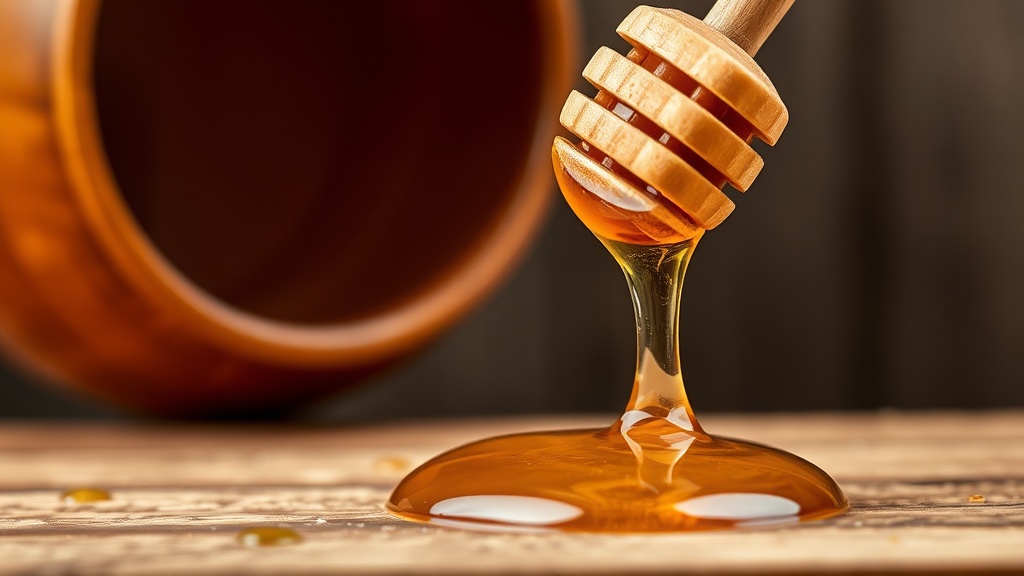
Remember that if your honey appears perfectly clear and pours like syrup without crystallizing, it may be a red flag. Real raw honey will crystallize over time, indicating its authenticity and lack of processing.
Frequently Asked Questions
- What makes raw honey different from processed honey?
Raw honey is unheated and unfiltered, retaining its natural nutrients and enzymes. Processed honey, on the other hand, is often heated and filtered, stripping away many beneficial compounds and altering its flavor and texture. This difference contributes to raw honey being considered a superfood.
- How can I tell if my honey is authentic?
To determine the authenticity of honey, look for signs such as crystallization, which indicates that the honey is raw. Additionally, check the label for sourcing information and avoid products that are labeled as blends of EU and non-EU honey. Local raw honey from reputable beekeepers is often the safest option.
- Are there health risks associated with consuming fake honey?
Yes, consuming fake honey can pose health risks due to potential contaminants and the absence of beneficial compounds. Adulterated honey may not offer the expected health benefits and can contribute to the exploitation of unethical supply chains. Always prioritize authentic honey to ensure safety and quality.
- Why is it essential to support local beekeepers?
Supporting local beekeepers helps sustain the bee population and promotes biodiversity. Local honey is typically fresher, more nutritious, and free of harmful additives. Moreover, purchasing from beekeepers directly strengthens the local economy and encourages sustainable practices in honey production.
- What are the environmental impacts of imported honey?
Imported honey can contribute to environmental concerns, including the introduction of harmful practices and substances that affect local ecosystems. By choosing local honey, consumers can reduce their carbon footprint and support sustainable beekeeping practices that protect the environment.
Conclusion
Raw honey is a remarkable superfood, rich in antioxidants, enzymes, and antibacterial properties that far surpass those found in processed or fake honeys. As consumers navigate the complex honey market, it’s essential to become informed about the authenticity of honey products and the implications of their choices. By opting for local, raw, or specialty honeys, you not only enhance your health but also support ethical practices in the beekeeping industry.