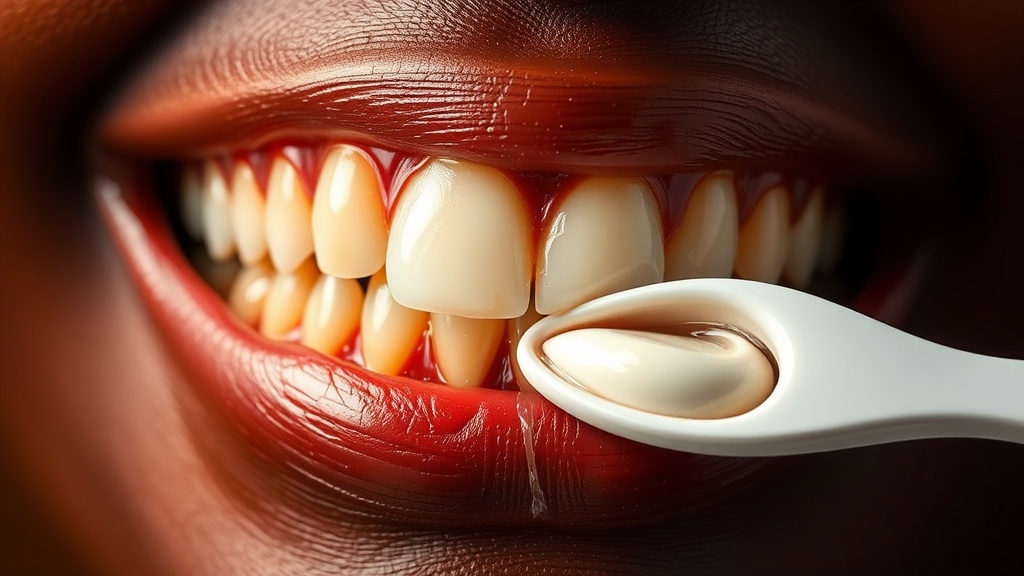
Maintaining oral health is critical, and many people are seeking natural solutions to prevent cavities and avoid invasive dental procedures. Recent studies and historical observations reveal that nutrition plays a significant role in dental health. This article explores how to naturally heal cavities and maintain strong teeth through dietary choices and lifestyle adjustments.
Key Takeaways
- Nutrition significantly impacts dental health.
- Cavities can sometimes be reversed if caught early.
- Vitamins A, D, and K are crucial for strong teeth.
- Wheatgrass can help prevent tooth decay and promote oral health.
The Connection Between Nutrition and Dental Health
The health of our teeth can often be attributed to our diet rather than our dental hygiene practices. Observations made by Dr. Weston A. Price in the early 20th century highlighted that traditional diets rich in whole foods led to stronger, healthier teeth. Indigenous populations, such as the Maasai and Amazonian tribes, exhibited excellent dental health without modern dental care, leading to questions about the impact of nutrition on oral health.
In modern society, the prevalence of refined sugars and processed foods has led to a significant increase in dental issues, including cavities and orthodontic interventions. The shift from nutrient-dense diets to more refined options has created a landscape where tooth decay has become commonplace.
Dr. Price’s studies suggest that the introduction of processed foods has a detrimental effect on dental health, indicating the importance of a nutrient-rich diet in maintaining strong teeth and jaws.
Understanding Cavities and Incipient Lesions
One crucial concept in dental health is the “incipient lesion,” which refers to the early stage of tooth decay before a cavity forms. During this stage, the enamel begins to lose minerals, but the tooth remains structurally intact. Recognizing this phase is essential because it presents an opportunity to reverse the damage without resorting to fillings or dental procedures.
Many people may not be aware of the significance of incipient lesions. When visiting a dentist, asking about the presence of such lesions can alter the course of treatment. If identified early, these areas can sometimes be remineralized through dietary changes and improved oral hygiene.
Understanding incipient lesions empowers patients to take control of their dental health and explore natural healing methods before considering invasive treatments.
The Role of Vitamins in Dental Health
Vitamins A, D, and K are critical for maintaining healthy teeth and gums. Vitamin A plays a vital role in bone formation and tooth structure, while Vitamin D is essential for calcium absorption, which strengthens enamel. Vitamin K works synergistically with these vitamins to ensure optimal oral health.
Studies have shown that traditional diets containing higher levels of these fat-soluble vitamins lead to stronger teeth compared to modern diets, which are often deficient in these essential nutrients. By incorporating foods rich in these vitamins—such as leafy greens, dairy products, and fatty fish—individuals can boost their oral health and reduce the risk of cavities.
Ensuring an adequate intake of these vitamins is not just beneficial for teeth but also supports overall health, highlighting the interconnectedness of nutrition and wellness.
Wheatgrass: A Natural Ally for Oral Health
Wheatgrass has emerged as a natural remedy for promoting dental health. Its high chlorophyll content possesses antibacterial properties that can help detoxify the body and combat harmful bacteria that contribute to tooth decay. Regular consumption or mouth rinsing with wheatgrass juice can provide significant benefits.
To incorporate wheatgrass into your routine, swish wheatgrass juice in your mouth for 5 minutes and spit it out. Doing this 2-3 times a day can help cleanse the mouth and potentially reverse early signs of cavities.
In addition to its oral health benefits, wheatgrass is a superfood that offers numerous nutritional advantages, making it a valuable addition to a health-conscious diet.
Natural Strategies to Prevent Cavities
In addition to dietary changes, there are several natural strategies that can help prevent cavities and promote oral health. These include:
- Maintaining good oral hygiene by brushing and flossing regularly.
- Reducing sugar intake and avoiding acidic foods and beverages that erode enamel.
- Ensuring adequate hydration to prevent dry mouth, which can lead to bacterial growth.
- Utilizing remineralizing toothpaste or natural alternatives that support enamel health.
- Regular dental check-ups to monitor for early signs of decay.
By implementing these strategies along with dietary adjustments, individuals can take proactive steps toward maintaining their dental health and preventing cavities.
Frequently Asked Questions
- What are incipient lesions and how can they be treated?
Incipient lesions are the early stages of tooth decay where enamel loses minerals but remains intact. They can be treated through dietary changes, improved oral hygiene, and sometimes with the use of remineralizing products. Early intervention is key to reversing these lesions without the need for fillings.
- How does nutrition impact dental health?
Nutrition plays a significant role in dental health. Diets rich in vitamins A, D, and K support the structural integrity of teeth and help prevent cavities. Conversely, diets high in refined sugars and processed foods can lead to tooth decay and other dental issues. A balanced diet that includes whole foods is essential for maintaining healthy teeth.
- Can wheatgrass really help with cavities?
Wheatgrass is believed to have antibacterial properties due to its high chlorophyll content, which may help reduce harmful bacteria in the mouth. Swishing wheatgrass juice can support oral health and may aid in reversing early signs of cavities. However, it should be used as part of a comprehensive oral care routine.
- What are the best vitamins for dental health?
Vitamins A, D, and K are crucial for maintaining dental health. Vitamin A supports tooth and bone structure, Vitamin D is vital for calcium absorption, and Vitamin K helps in the remineralization process. Including foods rich in these vitamins in your diet can enhance your oral health.
- Are there any natural remedies for preventing tooth decay?
Yes, several natural remedies can help prevent tooth decay, including maintaining good oral hygiene, reducing sugar intake, and consuming a diet rich in minerals and vitamins. Regular mouth rinsing with natural solutions like wheatgrass juice can also provide additional protection.
Conclusion
In conclusion, healing cavities naturally and preventing tooth extractions is achievable through a combination of dietary choices, understanding dental health, and employing natural remedies. By prioritizing nutrition and being proactive about oral care, individuals can foster a healthier mouth and potentially reverse early signs of decay. Embracing a holistic approach to dental health can lead to lasting benefits and a brighter smile.