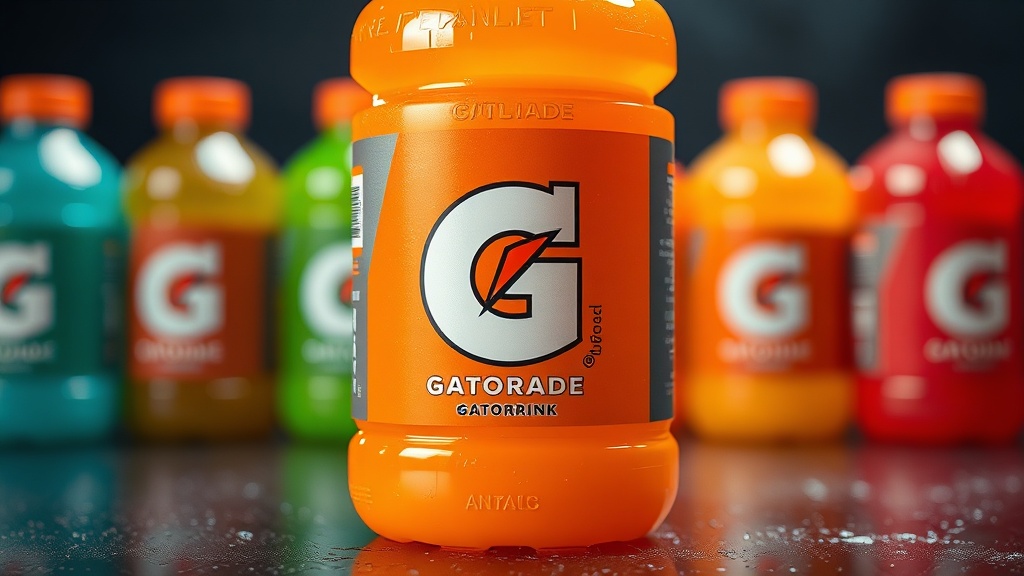
For many athletes and fitness enthusiasts, Gatorade is often seen as the ultimate sports drink, marketed for its ability to replenish electrolytes and hydrate. However, a closer examination of its ingredients reveals serious concerns regarding its nutritional value and overall health implications. This article will explore the questionable components of Gatorade, discuss a healthier alternative, and provide insights into making informed choices for optimal hydration.
Key Takeaways
- Gatorade contains high levels of sugar, which can lead to health issues over time.
- Synthetic dyes and artificial sweeteners in Gatorade raise concerns regarding their long-term effects on health.
- A natural sports drink alternative can provide hydration and nutrients without harmful ingredients.
Understanding Gatorade’s Ingredients
Gatorade has been a staple in the sports drink market for years, but a critical look at its ingredients is warranted. The brand promotes its formula as scientifically designed for hydration and electrolyte replenishment. However, many of its components may not align with the health goals of consumers. One of the most alarming aspects is the high sugar content present in its formulations.
Many Gatorade products contain over 30 grams of sugar per serving, which can lead to significant blood sugar spikes and crashes. These fluctuations can be particularly detrimental for individuals using Gatorade as a recovery drink, as this high glycemic load may negate the benefits of hydration and recovery.
The Dangers of Synthetic Dyes
In addition to sugar, Gatorade includes various synthetic color additives such as Red 40, Yellow 6, and Blue 5. Red 40 has been linked to allergic reactions and hyperactivity in children, prompting concern among health experts. Although regulatory bodies claim it is safe within certain limits, the cumulative effect of consuming multiple products containing this dye presents a potential health risk.
Similarly, Yellow 6 and Blue 5 have faced scrutiny for their possible links to allergic responses and behavioral changes. The potential interactions of these dyes, particularly in sensitive individuals, raise valid questions about the long-term safety of consuming products laden with such additives.
Artificial Sweeteners: The Hidden Risks
Another concerning ingredient in Gatorade is sucralose, a common artificial sweetener found in many low-calorie products. Research indicates that sucralose can negatively impact gut health and disrupt metabolic processes. This artificial sweetener has also been linked to potential cancer risks, further complicating the health implications of Gatorade consumption.
The combination of high sugar content, synthetic dyes, and artificial sweeteners in Gatorade creates a complex issue for consumers. The possible cumulative effects of these ingredients can be particularly concerning for young athletes who may consume these beverages regularly, putting them at risk for long-term health issues.
Choosing a Natural Alternative
For those seeking a healthier hydration option, a homemade sports drink can easily replace Gatorade. A simple recipe includes pure coconut water, which is naturally rich in electrolytes, the juice of a fresh lemon for added vitamin C, a pinch of pure sea or Himalayan salt to maintain electrolyte balance, and mineral water to complete the mix. This natural alternative not only hydrates but also nourishes the body with wholesome ingredients.
By opting for a homemade sports drink, individuals can avoid the harmful additives found in commercial options like Gatorade. This choice enhances hydration while providing essential nutrients without the risks associated with artificial ingredients.
Pros and Cons of Gatorade
When considering Gatorade, it’s essential to weigh the pros and cons:
- Pros: Convenient for hydration during sports; contains electrolytes.
- Cons: High sugar content; artificial colors and sweeteners; potential health risks.
Frequently Asked Questions
- Q1: Is Gatorade safe to drink regularly?
While Gatorade can be beneficial for hydration during intense physical activity, its high sugar content and artificial additives may present health risks if consumed frequently. It’s advisable to limit intake and consider alternatives for regular hydration.
- Q2: What are the effects of synthetic dyes in food and drinks?
Synthetic dyes like Red 40, Yellow 6, and Blue 5 have been associated with allergic reactions and potential behavioral changes, especially in children. While regulatory agencies deem them safe in moderation, cumulative exposure from various sources can raise health concerns.
- Q3: How can I make a natural sports drink at home?
Making a natural sports drink is simple. Combine coconut water, fresh lemon juice, a pinch of sea salt, and mineral water. This mix provides hydration and essential nutrients without harmful additives.
- Q4: Are there any long-term health risks from consuming Gatorade?
Long-term consumption of Gatorade may lead to weight gain and metabolic issues due to its high sugar content and artificial ingredients. Health risks can be compounded for individuals who consume it regularly, particularly children and young athletes.
- Q5: What are the benefits of coconut water?
Coconut water is a natural source of electrolytes, making it an excellent choice for hydration. It’s low in calories and contains beneficial nutrients such as potassium, which can help maintain hydration and support overall health.
Conclusion
While Gatorade remains a popular sports drink choice, its questionable ingredients prompt serious consideration regarding its long-term health impacts. The high sugar content, synthetic dyes, and artificial sweeteners raise valid concerns for consumers, especially young athletes. By opting for a natural alternative, individuals can enjoy the benefits of hydration without exposing themselves to potentially harmful additives. Making informed choices about hydration is essential for maintaining overall health and wellness.