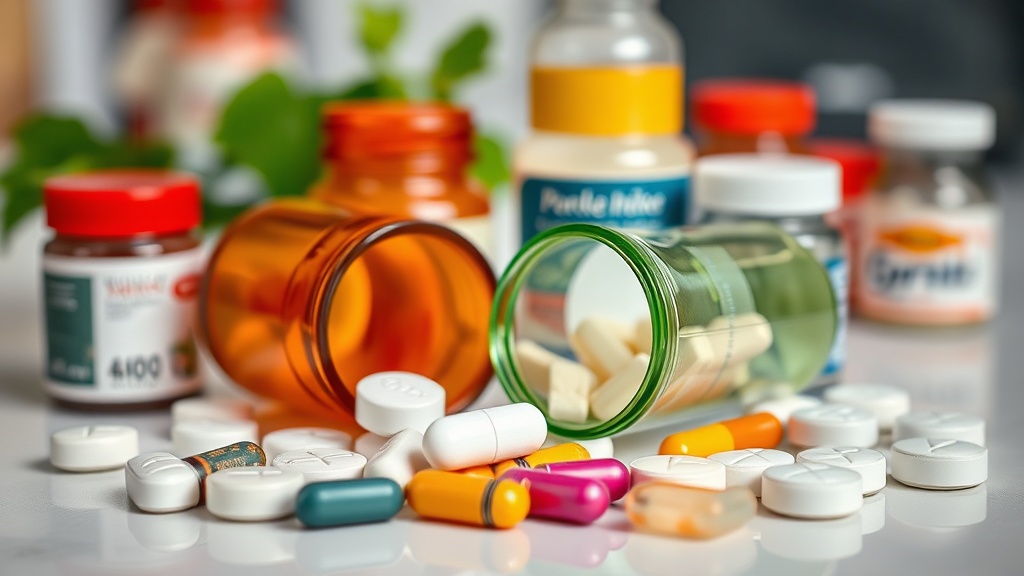
The pharmaceutical landscape is complex, with a significant portion of medications consumed in the United States being produced overseas. A notable concern arises regarding the safety of these medications, particularly those manufactured in China. Reports from the FDA and other health organizations have raised alarms about the presence of carcinogenic substances in some of these drugs. This article aims to shed light on the potential dangers of medicines made in China that may contain cancer-causing ingredients.
Key Takeaways
- A large percentage of active pharmaceutical ingredients in the U.S. come from China.
- The FDA inspects only a small fraction of overseas manufacturing facilities.
- Several well-known medications have been recalled due to contamination issues.
- Awareness of the risks associated with medications sourced from China is crucial for consumer safety.
Understanding the Scope of the Problem
Did you know that the majority of active ingredients in American medications are sourced from China? According to the FDA, while U.S. pharmaceutical manufacturing facilities are inspected every two years, only about 7% of foreign facilities are inspected annually. This discrepancy raises significant concerns about the safety and quality of medications that are imported from abroad.
The implications of this lack of oversight became evident when the FDA recalled Valsartan, a widely prescribed blood pressure medication, due to contamination with N-nitrosodimethylamine (NDMA), a substance classified as a probable human carcinogen. Such incidents highlight the potential risks posed by pharmaceuticals manufactured in countries with less stringent regulatory standards.
Moreover, the case of Heparin, a blood thinner linked to numerous deaths due to contamination with unapproved Chinese ingredients, underscores the urgent need for rigorous scrutiny of foreign-produced medications. The consequences of these oversights can be dire, impacting patients’ health and safety.
Recent Recalled Medications
The FDA’s announcement regarding the recall of certain medications serves as a stark reminder of the potential dangers lurking in pharmaceuticals made in China. Valsartan, for instance, was found to contain NDMA, prompting a widespread recall that affected millions of patients relying on this essential heart medication.
Similarly, Heparin’s tragic association with 246 deaths due to contaminated ingredients has raised alarm bells within the medical community. These incidents not only raise questions about the safety standards employed by manufacturers but also about the regulatory practices that govern the importation of these drugs into the United States.
As consumers become increasingly aware of these issues, it is crucial to advocate for transparency in the pharmaceutical supply chain. Knowing which drugs may be at risk can empower patients to make informed decisions regarding their health.
List of Medicines Potentially Made in China
Here is a list of some medicines that are known to be manufactured in China:
- Aciclovir (Zovirax) – antiviral drug
- Advair – asthma medicine
- Allopurinol – gout treatment
- Amoxicillin – antibiotic
- Atorvastatin (Lipitor) – cholesterol-lowering medication
- Ibuprofen – anti-inflammatory painkiller
- Ciprofloxacin (Cipro) – antibiotic
- Dexamethasone – anti-inflammatory steroid
- Enalapril – treatment for hypertension
- Fluconazole – antifungal drug
The Role of Oversight in Drug Safety
The FDA’s limited capacity to inspect foreign pharmaceutical manufacturing facilities contributes to the ongoing concerns regarding drug safety. With the majority of active ingredients sourced from abroad, particularly from China, the challenge of ensuring these drugs meet safety standards becomes increasingly complex.
Experts, including authors Rosemary Gibson and Janardan Prasad Singh, emphasize that while the FDA asserts that drugs are safe, the intricate web of outsourcing complicates the ability to guarantee quality and safety. As such, the responsibility falls on consumers to remain vigilant and informed about the medications they are using.
Healthcare providers also play a critical role in educating patients about potential risks associated with their medications, particularly those sourced from countries with less oversight. Collaboration between regulatory agencies and healthcare professionals can help mitigate risks and enhance patient safety.
Pros and Cons of Medicines Manufactured in China
As with any pharmaceutical source, there are pros and cons to consider regarding medications produced in China. Understanding both sides can help individuals make educated decisions about their health.
Pros
- Cost-Effective: Many medications manufactured in China are more affordable, making them accessible to a larger population.
- Wide Availability: A vast range of drugs are produced in China, ensuring that various treatments are available to meet patient needs.
- Innovation: China has made significant investments in pharmaceutical research and development, leading to new treatment options.
Cons
- Quality Control Issues: The limited oversight of overseas facilities raises concerns about the quality of the drugs produced.
- Risk of Contamination: Instances of contaminated medications have led to severe health consequences for patients.
- Regulatory Gaps: The differences in regulatory standards between countries can result in discrepancies in drug safety.
Frequently Asked Questions
- Q1: How can I know if my medication is made in China?
To determine whether your medication is manufactured in China, you can check the packaging or consult your pharmacist. Many medications indicate the country of origin on their labels. Additionally, online resources such as the FDA’s database can provide information on the sourcing of active ingredients.
- Q2: What should I do if my medication is recalled?
If you find out that your medication has been recalled, it is essential to stop taking it immediately and consult your healthcare provider. They can advise you on alternative treatments and any necessary steps to ensure your health is not compromised by the recall.
- Q3: Are there regulations in place to ensure the safety of medications from China?
While there are regulations governing the importation of medications, the enforcement of these regulations can be inconsistent. The FDA conducts inspections, but the low percentage of overseas facilities inspected raises concerns about compliance. Advocacy for more stringent oversight is ongoing, as the safety of pharmaceutical products remains a priority.
- Q4: What are the implications of using medications with carcinogenic ingredients?
The use of medications containing carcinogenic substances can pose serious health risks, including the potential development of cancer. Patients should consult their healthcare providers for alternative treatments and remain informed about the safety of their medications.
- Q5: How can consumers advocate for better pharmaceutical safety?
Consumers can advocate for better pharmaceutical safety by staying informed about their medications and the sources of active ingredients. Engaging with healthcare providers, supporting legislation aimed at improving drug safety, and raising awareness about the risks associated with medications manufactured in regions with less oversight can help push for necessary changes.
Conclusion
Understanding the risks associated with medications manufactured in China is crucial for ensuring patient safety. With a significant portion of active pharmaceutical ingredients sourced from this region, it is essential to remain vigilant and informed about the potential dangers. Advocacy for increased oversight and transparency in the pharmaceutical supply chain is necessary to protect public health. As consumers, we must prioritize our safety by being aware of the medications we use and their origins.