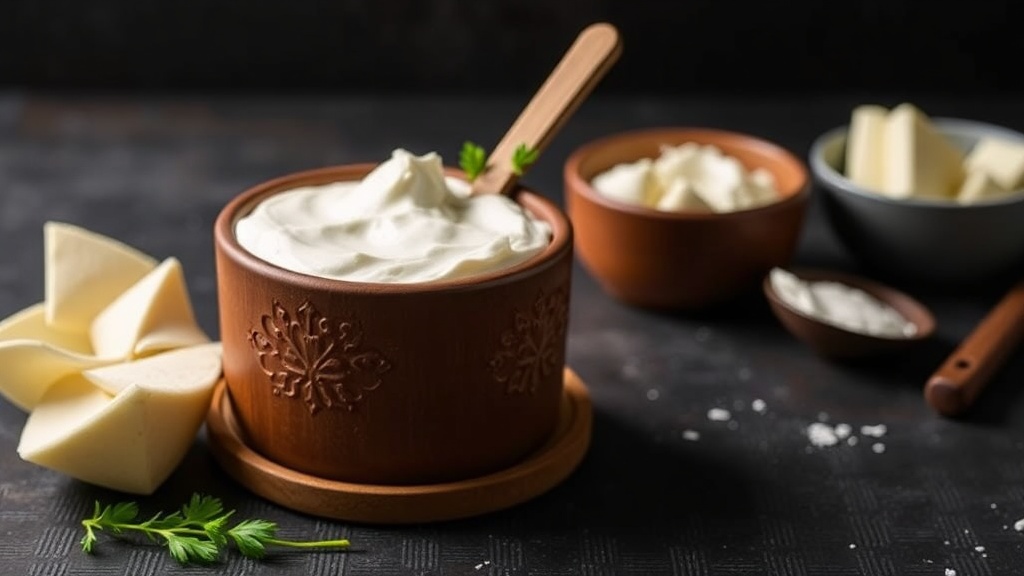
Sour cream has long been a staple in kitchens worldwide, yet the majority of store-bought versions fall short of the real thing. With additives, thickeners, and flavorings, these products often compromise the health benefits and rich flavors that traditional sour cream offers. This article explores the stark differences between commercial and homemade sour cream, highlighting the advantages of making it yourself and providing a simple recipe to create this culinary delight in your own kitchen.
Key Takeaways
- Real sour cream is easy to make at home using just two ingredients.
- Commercial sour cream often contains additives that diminish its health benefits.
- Homemade sour cream is rich in probiotics and essential nutrients.
- Making sour cream at home is a cost-effective and rewarding culinary endeavor.
The Problem with Store-Bought Sour Cream
Most sour cream found in grocery stores is a far cry from traditional versions. Commercial sour creams are typically produced through ultra-pasteurization, a process that destroys beneficial nutrients and enzymes. To compensate for this loss, manufacturers often add artificial thickeners, such as guar gum or gelatin, which create a texture that mimics real sour cream but lacks its authentic taste and health benefits.
Additionally, many store-bought sour creams are marketed as “light” or “flavored,” further complicating the ingredient list with sugars and chemical additives. This results in a product that not only tastes different but also fails to deliver the nutritional advantages that real sour cream provides, such as probiotics and fat-soluble vitamins.
Consumers often overlook the fact that these additives can lead to digestive issues and generally detract from the wholesome nature of traditional dairy products. By opting for homemade sour cream, you can avoid these pitfalls while enjoying a healthier and tastier option.
The Historical Significance of Sour Cream
The roots of sour cream can be traced back to Eastern Europe, where dairy herding cultures utilized fermentation as a means of preservation. Before modern refrigeration, raw cream was left at room temperature, allowing natural bacteria to ferment it into a deliciously thick condiment. This method not only enhanced flavor but also extended the shelf life of dairy products, providing essential nutrients during harsh winters.
By the 12th century, “smetana,” the Slavic precursor to sour cream, became a dietary staple, accompanying various dishes from potatoes to meats. The traditional methods of sour cream production were brought to North America by immigrants, where they flourished until industrial dairy processes began to dominate. Understanding this history can deepen our appreciation for homemade sour cream as a connection to our culinary heritage.
Today, many people are rediscovering the value of traditional food preparations, including sour cream, as they seek healthier and more authentic ingredients for their meals. This revival signifies a return to the roots of cooking, emphasizing quality over convenience.
The Health Benefits of Real Sour Cream
One of the primary reasons to make sour cream at home is the health benefits it provides. Traditional sour cream is teeming with live beneficial bacteria, known as probiotics, which are crucial for maintaining a healthy gut microbiome. These probiotics help with digestion, alleviate bloating, and may even enhance immune function. In contrast, commercial sour creams often undergo heating processes that kill these essential microbes, rendering the product less beneficial for health.
Moreover, homemade sour cream is an excellent source of fat-soluble vitamins such as A, D, E, and K2, particularly when made from high-quality, grass-fed cream. These vitamins play vital roles in hormone production, skin health, and overall well-being. The presence of saturated fat and cholesterol in traditional sour cream also supports hormonal balance, which is often compromised in low-fat dairy alternatives.
Another advantage of real sour cream is its digestibility. The fermentation process breaks down lactose and alters dairy proteins, making it easier for those with lactose intolerance to enjoy without discomfort. This natural adaptation makes sour cream a versatile addition to various diets.
How to Make Homemade Sour Cream
Making your own sour cream at home is surprisingly simple and requires only two ingredients. To get started, you will need:
- 2 cups of heavy cream (preferably raw or low-temperature pasteurized)
- 2 tablespoons of a live, cultured starter, such as buttermilk, sour cream with active cultures, or a powdered mesophilic culture.
Begin by warming the cream slightly to room temperature, around 70°F (21°C). Avoid any heating that could cook the cream. Next, stir in your cultured starter thoroughly. Pour the mixture into a clean glass jar and cover it loosely with a lid or cloth to allow airflow for fermentation.
Let the mixture sit at room temperature for 12 to 24 hours, depending on the ambient temperature of your home. In cooler environments, it may take up to 36 hours. Once it has thickened and is tangy to your liking, gently stir it and refrigerate. The sour cream will continue to thicken as it cools.
Tips for the Perfect Sour Cream
To ensure the best results when making sour cream at home, consider the following tips:
- Use high-quality cream from grass-fed cows to enhance flavor and nutritional value.
- Avoid using ultra-pasteurized cream, as it will not ferment properly.
- The longer you allow the fermentation process, the tangier the sour cream will become, so feel free to experiment based on your taste preferences.
- Save a tablespoon of each batch to use as a starter for your next batch, making the process even easier.
Creative Uses for Homemade Sour Cream
Homemade sour cream is not just a condiment; it can elevate various dishes in your kitchen. Here are some delicious ways to incorporate it into your meals:
- Add it to soups, stews, and sauces for a creamy richness that enhances flavor.
- Mix it into mashed potatoes, scrambled eggs, or roasted vegetables for an extra layer of taste.
- Use it as a base for dips or salad dressings, combining it with fresh herbs and spices.
- Spoon it over fruits, pancakes, or crepes for a delightful dessert topping.
- Blend it into smoothies for added creaminess and nutrition.
Frequently Asked Questions
- What is the difference between homemade and store-bought sour cream?
Homemade sour cream is made from fresh cream and a live starter culture, providing beneficial probiotics and a richer flavor. In contrast, store-bought options often contain thickeners, preservatives, and artificial flavors that diminish the health benefits and taste.
Additionally, homemade sour cream allows for control over ingredients, ensuring that no unnecessary additives are included, making it a healthier alternative.
- Can I use any type of cream to make sour cream?
While you can use various types of cream, it is best to use heavy cream, preferably from grass-fed cows, to ensure a rich flavor and high nutrient content. Avoid ultra-pasteurized cream, as it will not ferment properly.
Using raw or low-temperature pasteurized cream is ideal for achieving the best results, as this cream retains more natural bacteria necessary for fermentation.
- How long does homemade sour cream last?
Homemade sour cream can last up to two weeks in the refrigerator when stored in a clean, airtight container. However, its flavor may continue to evolve over time, becoming tangier as it ages.
Always check for any off-smells or changes in texture before consuming, as these can indicate spoilage. If properly cared for, you can enjoy the benefits of your homemade sour cream for an extended period.
- Can I freeze homemade sour cream?
While it is technically possible to freeze sour cream, doing so may alter its texture upon thawing. The creamy consistency may become grainy or separated, making it less desirable for certain uses.
If you choose to freeze it, consider using it in cooked dishes where texture is less of a concern. Otherwise, it’s best enjoyed fresh.
- Is homemade sour cream suitable for lactose-intolerant individuals?
Yes, many people who are lactose intolerant find that they can tolerate homemade sour cream better than regular milk or cream. The fermentation process breaks down much of the lactose content, making it easier to digest.
Additionally, the presence of probiotics can aid in digestion and help those with lactose sensitivity enjoy dairy products without discomfort.
Conclusion
Homemade sour cream represents a revival of traditional food practices, offering numerous health benefits while enhancing the flavors of various dishes. By making sour cream at home, you not only create a product free from additives but also reconnect with culinary heritage that has been largely forgotten. With just two ingredients and minimal effort, you can enjoy a delicious and nutritious condiment that surpasses anything available in stores. Rediscover the joy of cooking with real ingredients and elevate your meals with the rich taste of homemade sour cream.