Salmon has long been hailed as a superfood, a healthy option for those seeking to improve their diet. However, recent revelations about the salmon farming industry, particularly in Norway, have raised serious concerns about the safety and health implications of consuming this popular fish. In this article, we will explore the darker side of Norwegian salmon, the potential toxins it harbors, and what you can do to protect your health.
Key Takeaways
- Norwegian farmed salmon may contain harmful chemicals and toxins.
- Wild salmon is also increasingly contaminated due to environmental pollution.
- Detoxifying methods, such as using spirulina, can help mitigate the effects of toxin exposure.
The Dark Reality of Salmon Farming
The salmon farming industry in Norway has exploded into a multi-billion-dollar business, yet its practices are often shrouded in secrecy and controversy. Fish are typically housed in overcrowded cages, where they swim in their own waste and are susceptible to various diseases. To combat these health issues, farmers frequently administer antibiotics, resulting in a toxic environment that many insiders refer to as an “ocean concentration camp.”
Not only does this overcrowding affect the fish’s health, but it also compromises the quality of the salmon that eventually reaches consumers. The fish are often fed an unnatural diet that includes soy, grains, and even animal by-products, which can alter the nutritional profile of the fish and contribute to its toxic load.
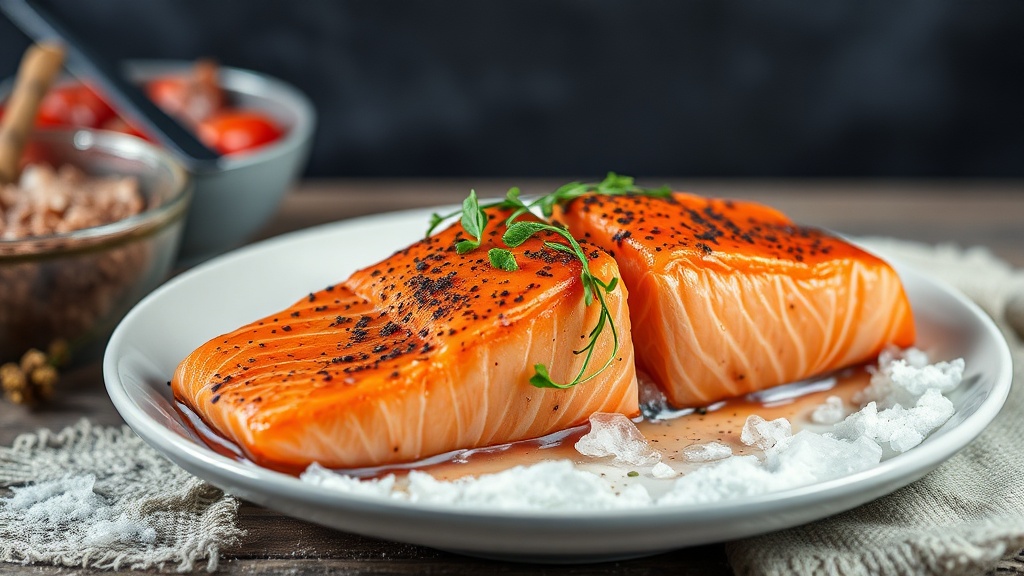
Additionally, the bright pink hue of the salmon fillet is not a natural characteristic; it is artificially enhanced through dyes that mask the fish’s true grayish-white color. This practice raises ethical and health concerns, as consumers are led to believe they are purchasing a healthy product.
The Toxic Cocktail in Your Plate
Farmed Norwegian salmon has become a veritable cocktail of toxins that pose risks to human health. Research indicates that these fish can contain up to 5–10 times more harmful substances than other food sources. Among the contaminants found in farmed salmon are antibiotics, pesticides, and endocrine disruptors that can interfere with hormonal balance.
Moreover, heavy metals such as mercury and microplastics have been increasingly detected in salmon, both farmed and wild. These pollutants accumulate in the fish due to extensive environmental contamination, raising alarm bells about the long-term health effects of consuming salmon regularly.
For health-conscious consumers, this information presents a challenging dilemma. The perception of salmon as a heart-healthy food is being overshadowed by these troubling findings, leading many to question their dietary choices.
The Risks of Wild Salmon
While many consumers have traditionally favored wild salmon, recent studies indicate that even these fish are not immune to contamination. Due to years of environmental pollution, wild salmon are now often laden with heavy metals and microplastics. This widespread contamination means that the distinction between farmed and wild salmon is becoming increasingly blurred.
Consequently, whether you choose farmed or wild salmon, you may inadvertently be exposing yourself to harmful substances. This alarming reality forces consumers to reconsider their options and search for safer alternatives.
It is clear that the health benefits previously associated with salmon consumption are now overshadowed by concerns over its safety. As the industry continues to grapple with these issues, consumers must remain vigilant and informed.
Detoxifying from Salmon Consumption
If you have been consuming salmon regularly, it may be time to consider detoxifying your body. One effective method is to incorporate spirulina into your diet. This blue-green algae is renowned for its ability to bind with heavy metals, mercury, and pesticides, facilitating their removal from the body.
Spirulina is also rich in chlorophyll, minerals, and antioxidants, making it a powerful ally in repairing cellular damage caused by toxic exposure. Starting with a small dosage (½ to 1 teaspoon daily) and gradually increasing it can help your body adjust and effectively detoxify.
Additionally, it is essential to complement spirulina with adequate hydration, clean minerals, and nutrient-dense foods. These practices will support your body’s natural detox pathways and help eliminate the burdens imposed by modern dietary choices.
The Commercial Influence of Salmon Farming
The Norwegian salmon farming industry has significant ties to global food marketing and nutrition science, shaping public perception of salmon as a healthful option. This multi-billion-dollar operation has successfully rebranded a toxic, chemically-fed fish into a symbol of heart health, obscuring the truth about the dangers lurking beneath the surface.
Consumers are often unaware of the extensive marketing efforts that promote Norwegian salmon as a wholesome choice, despite the alarming levels of contamination it may contain. This disconnect between perception and reality can lead to misguided dietary decisions and health risks.
As consumers, it is crucial to be discerning and well-informed about the food choices we make. The façade of health that surrounds Norwegian salmon must be scrutinized to ensure that we are genuinely prioritizing our well-being.
Frequently Asked Questions
- What are the main toxins found in farmed Norwegian salmon?
Farmed Norwegian salmon is often contaminated with a variety of toxins, including antibiotics, pesticides, heavy metals like mercury, and microplastics. These substances accumulate in the fish due to overcrowded farming conditions and environmental pollution, leading to significant health risks for consumers.
- Is wild salmon a safer option?
While wild salmon has traditionally been considered a healthier choice, it is increasingly being contaminated with heavy metals, microplastics, and other pollutants due to environmental degradation. Therefore, both farmed and wild salmon may pose risks, and consumers should be cautious about their consumption of salmon in general.
- What is spirulina, and how does it help with detoxification?
Spirulina is a type of blue-green algae that is celebrated for its health benefits, particularly its ability to bind with heavy metals and toxins, facilitating their excretion from the body. It is rich in antioxidants, minerals, and chlorophyll, which support overall health and cellular repair, making it an excellent addition to a detox regimen.
- How can I incorporate spirulina into my diet?
To incorporate spirulina into your diet, start with a small dose of ½ to 1 teaspoon per day, gradually increasing as your body adjusts. Spirulina can be added to smoothies, juices, or even sprinkled on salads. Pairing it with adequate hydration and a balanced diet will enhance its detoxifying effects.
- What should I look for when purchasing salmon?
When purchasing salmon, it is important to consider the source. Look for wild-caught salmon from reputable fisheries that practice sustainable fishing. If opting for farmed salmon, seek out brands that prioritize ethical farming practices and transparency regarding their feeding and health protocols. Always read labels carefully to make informed decisions.
Conclusion
The alarming realities surrounding Norwegian salmon farming highlight the need for consumers to be more informed about their food choices. The potential toxins found in both farmed and wild salmon pose significant health risks that cannot be ignored. As we navigate the complexities of modern diets, it is crucial to prioritize safety and make educated decisions about the foods we consume. Incorporating detoxifying elements such as spirulina into our routines can help mitigate the adverse effects of toxic exposure and promote better health in the long run.