Honey has long been lauded for its natural sweetness and health benefits, but many consumers are unaware that not all honey is created equal. In the United States, a significant portion of honey on store shelves is either adulterated or misrepresented as organic. This article will explore the characteristics of genuine honey, the pitfalls of fake honey, and how to choose the best options for your health and well-being.
Key Takeaways
- Raw honey is a nutrient-rich superfood with various health benefits.
- Much of the honey available in the U.S. is adulterated or imported, lacking genuine health benefits.
- There is no official USDA certification for organic honey, making it difficult for consumers to identify authentic products.
- Choosing local, raw honey or certified brands ensures quality and supports ethical beekeeping practices.
Understanding Raw Honey
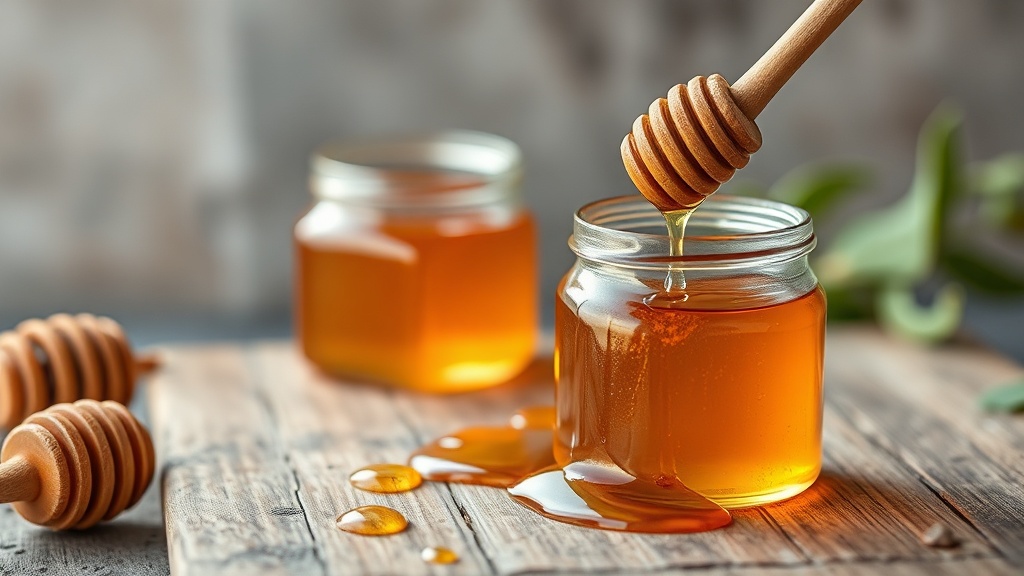
Raw honey is often celebrated for its health benefits, which stem from its unprocessed nature. Unlike the honey commonly found in supermarkets, raw honey is not subjected to heat or pasteurization, retaining its natural enzymes, vitamins, and minerals. This nutrient density is what makes raw honey a true superfood.
The antioxidants found in raw honey, such as flavonoids and polyphenols, play a crucial role in reducing oxidative stress and inflammation in the body. Regular consumption may contribute to overall wellness, making it a valuable addition to a balanced diet.
Moreover, raw honey is known for its immune-boosting properties. It contains natural antibacterial and antiviral components that enhance the body’s defenses, helping to ward off illnesses. This makes it not only a sweetener but also a potential ally in maintaining good health.
Identifying Fake Honey
Despite the benefits of raw honey, consumers face significant challenges in identifying authentic products. A considerable amount of honey sold in the U.S. is either fake or adulterated, often imported from overseas, particularly from countries like China. These counterfeit versions are frequently mixed with cheaper sweeteners such as corn syrup, diluting their natural properties.
The ultra-filtration process used in many commercial honeys can strip away essential nutrients and pollen, making it nearly impossible to trace the honey’s origins. This not only misleads consumers but also eliminates the health benefits associated with genuine honey.
The consumption of fake honey poses health risks as well. These products may contain contaminants and provide no real health advantages. Supporting unethical supply chains harms honest beekeepers and diminishes the quality of honey available on the market.
The Misconception of Organic Honey
One of the most misleading aspects of honey labeling in the United States is the term “organic.” While many brands may advertise their honey as organic, there is no official USDA certification for organic honey. This lack of regulation means that claims can be misleading as bees can forage over wide areas, exposing them to pesticides and other contaminants.
Consumers should be cautious of commercially available honeys, particularly those that are inexpensive. Many of these brands have been implicated in honey scandals, often testing positive for adulteration or ultra-filtration processes that compromise the honey’s nutritional value. This makes it crucial for consumers to research and verify the authenticity of the honey they purchase.
Be wary of labels that state “blend of EU and non-EU honey” or do not disclose the source, as these can be indicators of lower quality honey. By understanding the labeling practices, consumers can make more informed choices.
Choosing the Best Honey
To reap the full health benefits of honey, it is essential to choose wisely. One of the best options is to buy local raw honey from farmers’ markets or reputable beekeepers. This not only guarantees freshness and authenticity but also supports local agriculture.
Single-source or monofloral honey varieties, such as Sidr honey from Yemen, are highly regarded for their medicinal qualities and strict authenticity standards. These types of honey often come with a higher price tag but are worth the investment for their quality and health benefits.
Additionally, look for certified raw honey brands based in the U.S. that are transparent about their sourcing. Brands like Bee Raw, Nature Nate’s Raw & Unfiltered, and Really Raw Honey are known for their commitment to quality and authenticity.
Pros and Cons of Honey
Here are some considerations when consuming honey:
- Pros: Raw honey is nutritious, offers natural energy, supports gut health, and has wound healing properties.
- Cons: Fake honey lacks health benefits, may contain harmful additives, and can be misleadingly labeled.
Frequently Asked Questions
- Q1: What is the difference between raw honey and processed honey?
Raw honey is unheated, unpasteurized, and unfiltered, retaining its natural enzymes, antioxidants, and nutrients. In contrast, processed honey undergoes heating and filtration, which can remove beneficial components and flavor. Consumers seeking health benefits should opt for raw honey, as it contains the essential properties that processed honey lacks.
- Q2: How can I tell if honey is authentic?
To determine if honey is authentic, look for local raw honey from farmers’ markets or trusted beekeepers. Check labels for terms like “raw” and “unfiltered,” and avoid products that state “blend of EU and non-EU honey.” Additionally, if the honey is perfectly clear and does not crystallize over time, it may indicate processing that strips its natural qualities.
- Q3: Are there any health risks associated with consuming fake honey?
Yes, consuming fake honey can pose health risks. Adulterated honey may contain harmful additives, such as corn syrup, and lacks the beneficial properties of authentic honey. Furthermore, these counterfeit products can support unethical supply chains that harm legitimate beekeeping operations. It is essential to be vigilant in selecting honey to avoid these risks.
- Q4: Can I use honey for medicinal purposes?
Absolutely, honey has been utilized for medicinal purposes for centuries. Its antibacterial and antimicrobial properties make it effective for wound healing and soothing sore throats. Additionally, raw honey can improve gut health due to its prebiotic content. However, it is important to use authentic raw honey for these benefits to be realized.
- Q5: What should I look for when buying honey?
When purchasing honey, seek local raw honey from reputable sources. Look for certifications that indicate authenticity and avoid brands that do not disclose their sourcing. It is also wise to choose single-source or monofloral varieties that have established reputations for quality. By being discerning, you can ensure you are buying genuine honey that offers health benefits.
Conclusion
The world of honey is filled with both sweet delights and potential pitfalls. Understanding the differences between raw and processed honey is crucial for consumers who wish to enjoy the health benefits associated with this natural sweetener. By being aware of the prevalence of adulterated honey and the misleading nature of organic claims, consumers can make informed choices. Opting for local, raw, or specialty honeys ensures that you are not only indulging in a delicious product but also supporting ethical practices within the beekeeping community.