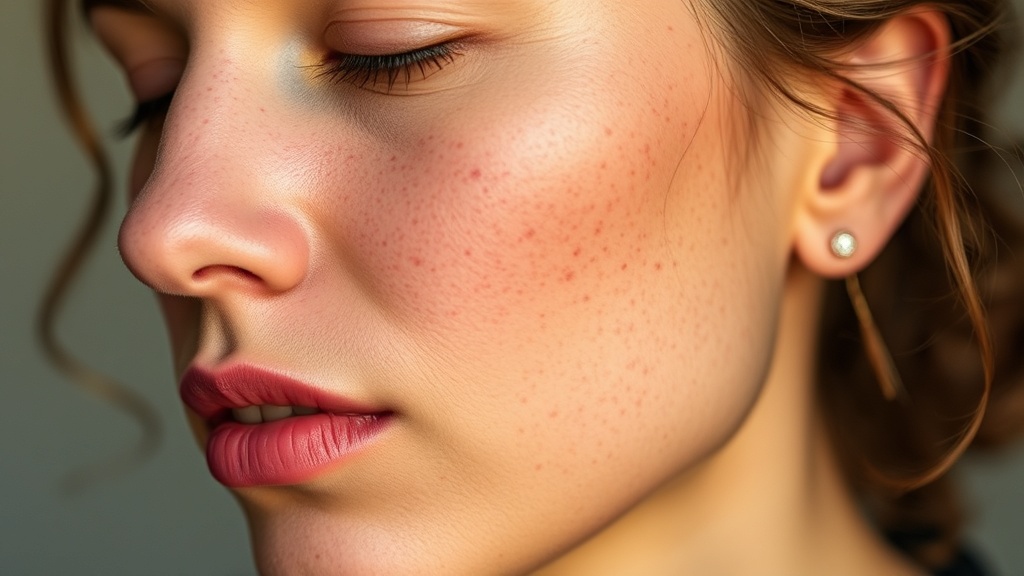
In today’s world, acne has become a common struggle for many, ranging from teenagers to adults. This skin condition, often dismissed as a normal part of growing up, is increasingly prevalent in our modern society. However, a closer look at the dietary and lifestyle choices of our ancestors reveals striking differences that may hold the key to understanding why they experienced significantly less acne. This article explores the factors contributing to acne in contemporary life and how reverting to ancestral practices can lead to clearer skin.
Key Takeaways
- Modern diets rich in processed foods are linked to increased acne.
- Traditional diets centered on animal products may contribute to healthier skin.
- Gut health is crucial in preventing and treating acne.
- Eliminating certain oils and sugars can lead to improvements in skin conditions.
- Simple, natural skincare products can be more effective than modern treatments.
The Role of Diet in Acne Development
Historically, the diets of our ancestors were vastly different from what many consume today. Traditional diets primarily consisted of whole, unprocessed foods, particularly animal-based products such as meat, fish, and dairy. These foods are rich in essential nutrients that support gut health and balance hormones, both of which are critical in maintaining clear skin.
Unlike today’s prevalent processed foods, which often contain additives, preservatives, and unhealthy fats, ancestral diets were free from these irritants. This lack of exposure to harmful substances allowed their bodies to maintain proper gut function and nutrient absorption, helping to reduce inflammation—a key factor in acne development.
Additionally, the absence of sugar and refined carbohydrates in ancestral diets helped to stabilize insulin levels, preventing the hormonal fluctuations that can trigger acne. This underscores the importance of dietary choices in managing skin health.
Gut Health: The Foundation of Clear Skin
Many dermatologists now acknowledge that gut health plays an essential role in skin clarity. The gut microbiome, which consists of trillions of microorganisms, is closely linked to the immune system and can directly influence inflammation levels in the body. Our ancestors maintained a balanced gut microbiome through their diets, which were rich in fiber and nutrients.
In contrast, the modern diet, high in processed foods and sugars, can lead to gut dysfunction, commonly referred to as “leaky gut.” This condition allows toxins and undigested food particles to enter the bloodstream, triggering inflammatory responses that may manifest as acne on the skin. By focusing on gut health through diet, individuals may find a natural and effective way to combat acne.
Restoring gut health often involves eliminating processed foods, sugars, and unhealthy fats while incorporating fermented foods and prebiotics. This shift can significantly improve skin conditions and overall health.
The Impact of Oils and Fats
Another significant difference between ancestral diets and modern eating habits is the type of fats consumed. Our ancestors primarily used stable animal fats, such as tallow, lard, and butter, which are known to support hormone balance and skin health. In contrast, today’s diets often include seed oils derived from corn, soy, and canola, which are high in omega-6 fatty acids that can promote inflammation.
Studies have shown that the introduction of seed oils into the diet correlates with increased acne prevalence. These oils, when heated, can oxidize and create harmful compounds that exacerbate skin inflammation and disrupt cellular function. By switching to traditional fats, individuals may help reduce inflammation at the follicle level and improve their skin’s appearance.
Moreover, incorporating healthy fats into the diet can provide essential fatty acids that support skin repair and hydration, further promoting clearer skin.
The Detrimental Effects of Sugar
Sugar consumption has skyrocketed in recent decades, becoming a staple in many diets. This is a stark contrast to the diets of our ancestors, who consumed sugar sparingly, if at all. The consumption of sugar leads to spikes in insulin levels, which can trigger an increase in oil production and clogged pores—two primary contributors to acne.
When teenagers consume high amounts of sugar, their skin often reacts with breakouts, indicating that this is not merely a normal phase of adolescence but rather a response to dietary habits. Reducing sugar intake can help stabilize blood sugar levels and lower the likelihood of hormonal fluctuations that cause acne.
Opting for natural sweeteners or reducing overall sugar consumption can significantly benefit skin health and overall well-being, making it a vital consideration for anyone struggling with acne.
Natural and Effective Skincare Solutions
In addition to dietary changes, many individuals are rediscovering the benefits of traditional skincare practices. Pure animal fats, such as tallow, have been used for centuries as a natural moisturizer and healing agent. Unlike many modern lotions filled with synthetic ingredients and preservatives, tallow closely resembles the fatty acid composition of human skin, allowing for better absorption and nourishment.
Using tallow or other natural oils can help restore the skin barrier, reduce inflammation, and promote healing from within. Many who make the switch to natural skincare products report significant improvements in conditions such as acne and eczema, often faster than with conventional treatments.
By focusing on natural ingredients that support skin health, individuals can achieve clearer skin without the side effects associated with harsh chemicals found in many commercial products.
Frequently Asked Questions
- Q1: Can changing my diet really clear my acne?
Absolutely! Many individuals have experienced significant improvements in their skin after adopting a diet rich in whole, unprocessed foods. By focusing on animal-based products and eliminating processed sugars and unhealthy fats, you can support your gut health and reduce inflammation, which may lead to clearer skin.
Additionally, maintaining stable insulin levels through dietary choices can help regulate oil production and minimize breakouts. While results may vary, a dietary approach is a powerful tool in managing acne.
- Q2: How long will it take to see improvements in my skin?
The timeline for seeing improvements can vary based on individual circumstances, including the severity of acne and adherence to dietary changes. Typically, many people report noticeable changes within a few weeks of adopting a new diet focused on whole foods and reducing irritants.
It is essential to remain consistent and patient, as healing the gut and restoring balance may take time. Tracking your progress can help you stay motivated and see the positive effects of these changes.
- Q3: Are there any specific foods I should focus on for better skin?
Incorporating nutrient-dense foods such as grass-fed beef, wild-caught fish, eggs, and raw dairy can provide essential vitamins and minerals that support skin health. Foods rich in omega-3 fatty acids, such as fatty fish and flaxseeds, can also help reduce inflammation.
Additionally, including fruits and vegetables that are high in antioxidants, like berries and leafy greens, can promote overall skin health and aid in detoxification.
- Q4: Can I still use my regular skincare products while making dietary changes?
While dietary changes can have a significant impact on skin health, the products you use on your skin also matter. Consider transitioning to more natural skincare options that do not contain synthetic ingredients or irritants. This can enhance the benefits of your dietary changes and support your skin’s healing process.
Always patch-test new products to ensure compatibility with your skin type and avoid adverse reactions.
- Q5: Is it necessary to eliminate all processed foods for clear skin?
While eliminating processed foods is beneficial, it may not be realistic for everyone. Focus on reducing your intake and replacing them with healthier alternatives. Gradually introducing more whole foods while minimizing processed items can lead to significant improvements in skin health over time.
Every small change contributes to better overall health, including clearer skin.
Conclusion
Our ancestors faced far fewer skin issues compared to modern society, primarily due to their nutrient-dense diets and lifestyle choices. By understanding the impact of diet on gut health and skin clarity, we can adopt practices that promote better skin health today. Emphasizing whole, unprocessed foods, natural skincare solutions, and reducing inflammatory ingredients can pave the way for clearer skin. The lessons from our ancestors remind us that the path to healthy skin lies not in complicated treatments, but in the simplicity of nature’s offerings.