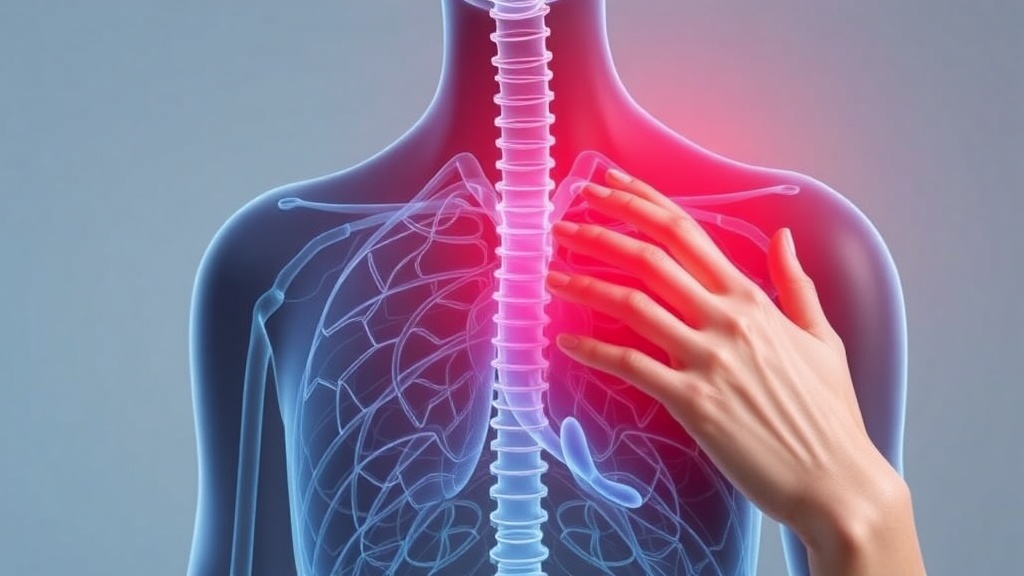
The lymphatic system is often overlooked in discussions about health, yet it plays a crucial role in maintaining our overall well-being. Understanding its function, recognizing the symptoms of lymph congestion, and knowing how to promote lymphatic health can be vital, especially in the context of cancer. This article will explore the lymphatic system, its importance, signs of congestion, and effective methods to enhance its function.
Key Takeaways
- The lymphatic system is essential for immune function and waste removal.
- Symptoms of lymph congestion can manifest in various ways, including fatigue and swelling.
- Simple lifestyle changes can significantly improve lymphatic flow and overall health.
- A balanced diet can support lymphatic health and reduce inflammation.
- Regular movement and breathing exercises are crucial for maintaining lymphatic function.
Understanding the Lymphatic System
The lymphatic system is a complex network that includes lymph vessels, lymph nodes, lymph fluid, and various organs such as the spleen and thymus. Unlike the cardiovascular system, which relies on the heart to pump blood, the lymphatic system does not have a central pump. Instead, it depends on physical activities like movement and breathing to facilitate the flow of lymph fluid throughout the body.
This fluid contains immune cells that help the body fight infections, remove waste products, and maintain fluid balance. When the lymphatic system is functioning optimally, it acts as a defense mechanism, helping to identify and eliminate abnormal cells, including potential cancer cells.
However, when lymphatic flow is compromised, it can lead to stagnation, which may result in a build-up of toxins, increased inflammation, and a weakened immune response. Understanding the importance of this system is essential for maintaining overall health and preventing disease.
Signs of Lymph Congestion
Lymph congestion can present itself through various symptoms that are often mistaken for minor health issues. Common signs include swollen lymph nodes, persistent fatigue, frequent infections, fluid retention, and brain fog. These symptoms may indicate that the lymphatic system is not functioning properly, which can lead to an increased risk of disease.
Individuals may also experience chronic inflammation, which can further complicate their health. Modern lifestyle factors, such as sedentary behavior and poor dietary choices, can exacerbate these symptoms by reducing lymphatic flow. Recognizing these signs early can be crucial in addressing potential health issues before they escalate.
Moreover, understanding these symptoms empowers individuals to take proactive steps in managing their lymphatic health. By making necessary lifestyle adjustments, one can mitigate the effects of lymph congestion and improve overall well-being.
How Cancer Can Spread Through the Lymphatic System
Cancer cells can spread through the body via the lymphatic system, primarily through a process known as metastasis. Initially, cancer cells break away from their original tumor and enter nearby lymph vessels. Once in the lymphatic system, they can travel to lymph nodes, which act as filters for harmful substances. If malignant cells become lodged in these nodes, they may then spread to distant organs.
The examination of lymph nodes is a critical step in cancer staging, as it helps determine whether the cancer has begun to spread. A sluggish or overwhelmed lymphatic system may hinder the body’s ability to eliminate damaged or abnormal cells effectively, increasing the risk of cancer progression.
Awareness of this process underscores the importance of maintaining a healthy lymphatic system. By promoting lymphatic flow and immune function, individuals can potentially reduce their risk of cancer and other serious health conditions.
Promoting Lymphatic Health: Effective Strategies
Maintaining a healthy lymphatic system involves a combination of lifestyle practices that stimulate lymph flow and support overall health. Here are some effective strategies:
1. Rebounding: Gentle bouncing on a mini-trampoline can effectively stimulate lymphatic drainage. This activity helps open and close lymphatic valves, increasing circulation without placing stress on the joints. Just 5–10 minutes daily can yield significant benefits.
2. Castor Oil Packs: Traditionally used to enhance lymphatic drainage, castor oil packs can be applied to the abdomen or areas dense with lymph nodes. They may help stimulate lymph movement, support immune signaling, and reduce inflammation.
3. Deep Diaphragmatic Breathing: Deep, slow breathing can drive up to 70% of lymphatic flow. By engaging the diaphragm, this technique acts as a natural pump for the thoracic duct, promoting lymphatic circulation.
4. Regular Movement: Incorporating simple physical activities such as walking or stretching can significantly improve lymphatic flow. Every muscle contraction aids in pushing lymph through its channels, making movement essential for lymphatic health.
The Role of Nutrition in Lymphatic Health
Nutritional choices have a direct impact on lymphatic health. The lymphatic system is responsible for transporting dietary fats, emphasizing the importance of consuming healthy fats to maintain optimal lymph quality. Diets rich in anti-inflammatory foods can support the lymphatic system and overall immune function.
Some individuals have reported positive changes in inflammation and immune response when adopting a carnivore or animal-based diet. This dietary approach may help reduce inflammatory compounds found in certain plants and stabilize blood sugar levels, leading to decreased immune activation.
While dietary changes can support lymphatic health, it is crucial to remember that no diet can replace professional medical treatment for serious conditions. A balanced diet, along with medical supervision, can help individuals maintain their lymphatic health without compromising their overall well-being.
Frequently Asked Questions
- Q1: What is the lymphatic system’s primary function?
The lymphatic system is responsible for immune defense, fluid balance, and waste removal. It plays a crucial role in filtering out harmful substances and transporting immune cells to areas of infection.
- Q2: How can I tell if my lymphatic system is sluggish?
Signs of a sluggish lymphatic system may include swollen lymph nodes, persistent fatigue, frequent infections, and fluid retention. If you experience these symptoms, it may be beneficial to consult a healthcare professional for further evaluation.
- Q3: Can exercise help my lymphatic system?
Yes, regular exercise is one of the most effective ways to promote lymphatic health. Activities that involve movement, such as walking, rebounding, or yoga, can enhance lymph flow and help prevent stagnation.
- Q4: Is diet important for lymphatic health?
Absolutely. A balanced diet rich in anti-inflammatory foods can support lymphatic function. Healthy fats, antioxidants, and adequate hydration are essential for maintaining optimal lymph quality.
- Q5: Should I consult a doctor about lymphatic issues?
If you experience persistent symptoms of lymph congestion or have concerns about your lymphatic health, it is essential to consult a healthcare professional. They can provide appropriate guidance and treatment options based on individual needs.
Conclusion
The lymphatic system is a vital component of our overall health, playing a significant role in immune function and waste removal. By understanding its importance and recognizing the signs of lymph congestion, individuals can take proactive steps to enhance their lymphatic health. Implementing lifestyle changes such as regular movement, deep breathing exercises, and a balanced diet can significantly improve lymphatic function and reduce the risk of disease. Ultimately, prioritizing lymphatic health is essential for achieving optimal well-being.
“The lymphatic system is not merely an option; it is fundamental for maintaining health and preventing disease.”
“Movement and nutrition are key allies in promoting lymphatic health and enhancing immune function.”