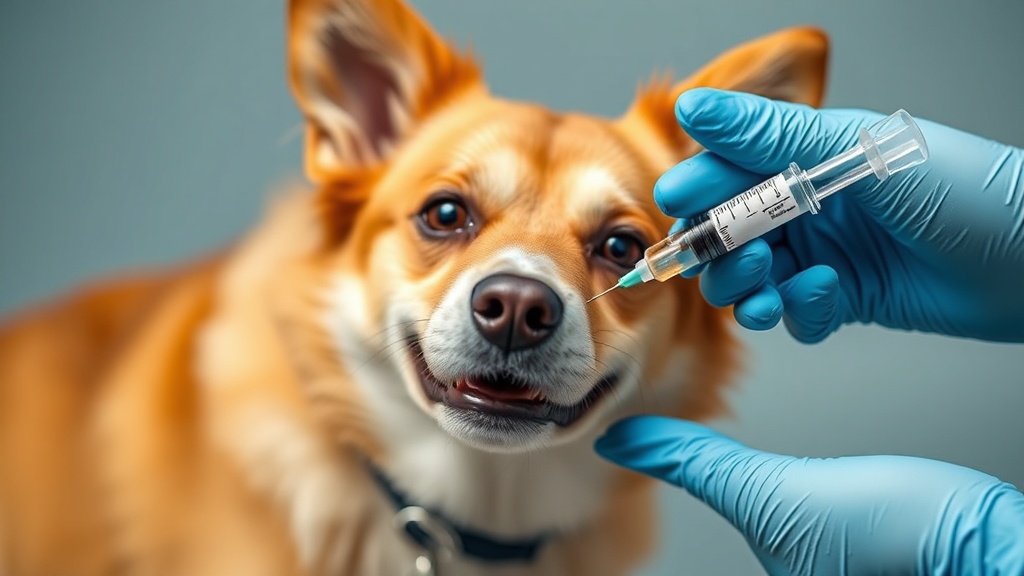
Pet vaccinations are an essential part of responsible pet ownership, yet many pet owners are unaware of what these vaccines contain and how they can impact their pets’ health. As we explore the history, ingredients, potential side effects, and alternative approaches for pet health, it becomes clear that a deeper understanding of pet vaccines is crucial for informed decision-making.
Key Takeaways
- Many vaccines may provide long-lasting immunity, making annual boosters unnecessary.
- Some vaccine ingredients are linked to health risks and side effects.
- Holistic approaches and proper nutrition can enhance your pet’s immune system.
- Consult your veterinarian about vaccine alternatives and spacing them out.
- Understanding the laws regarding medical exemptions for vaccinations is vital.
The Evolution of Pet Vaccination Practices
The history of pet vaccines dates back to the early 1900s, with the introduction of canine distemper and rabies vaccines modeled after human vaccination programs. By the 1970s, annual booster shots became standard practice in veterinary medicine, largely influenced by pharmaceutical marketing rather than scientific research. Many holistic veterinarians have criticized this approach, noting the lack of long-term safety studies that support the necessity of annual vaccinations.
Dr. Ronald Schultz, a leading figure in veterinary vaccine research, dedicated over four decades to studying the duration of immunity provided by vaccines. His research indicates that many vaccines offer protection for periods ranging from 7 to 15 years, or even for a pet’s lifetime. This revelation challenges the traditional annual booster model, suggesting that it may be both medically unnecessary and potentially harmful to pets.
Examining Vaccine Ingredients
Many pet owners are unaware of the various ingredients that are present in vaccines. While vaccines are marketed as safe and effective, the components can raise significant health concerns. Common ingredients include aluminum hydroxide, which acts as an adjuvant to enhance immune response but has been linked to neuroinflammation and autoimmune disorders.
Another ingredient, Thimerosal, is a mercury-based preservative that, although less common now, is still found in some multi-dose vaccines and carries neurotoxic risks. Additionally, formaldehyde is used to inactivate pathogens but is classified as a carcinogen by agencies such as the CDC and EPA. Other ingredients, such as polysorbate 80, may cross the blood-brain barrier, leading to potential neurological effects.
Holistic veterinarians argue that these substances pose unnecessary risks to a healthy animal’s bloodstream, especially when vaccines are administered repeatedly over a lifetime. This highlights the need for pet owners to inquire about the specific ingredients in vaccines and their potential effects on their pets’ health.
Potential Health Risks and Side Effects
Post-vaccination reactions can occur more frequently than many pet owners realize. Immediate symptoms, such as fever, lethargy, and swelling, are often reported after vaccination. However, some pets may develop chronic health issues months or even years later, which can be challenging to associate with previous vaccinations.
Documented side effects include autoimmune disorders like autoimmune hemolytic anemia and thyroid disease, as well as skin allergies, chronic itching, and neurological problems such as epileptic seizures and inflammation. In certain cases, cancers have been observed at vaccine injection sites, particularly in cats, further emphasizing the importance of careful consideration when vaccinating pets.
Because pets cannot articulate their discomfort, many owners may overlook these health changes, misconstruing them as signs of aging or genetic predispositions. The disruption of the immune system caused by toxic components in vaccines may be more significant than conventional veterinary medicine acknowledges.
Building Immunity Through Nutrition
Rather than relying solely on synthetic vaccines, a pet’s best defense against illness is a robust immune system, nurtured through proper nutrition. A species-appropriate diet consisting primarily of meat, fat, and organ products is essential for dogs and cats, who are obligate carnivores by nature. This approach contrasts starkly with the processed grains and synthetic additives found in many commercial pet foods.
A raw or minimally cooked carnivorous diet that includes grass-fed meats, omega-3 rich fish, bone broth, and nutrient-dense supplements like egg yolks and raw goat milk can significantly enhance a pet’s overall health. When pets receive the right nutrients, their immune systems are better equipped to fight off pathogens naturally, reducing the need for excessive vaccinations.
Holistic veterinarians advocate for a focus on nutrition and detoxification as key strategies to enhance immunity and overall well-being, thus minimizing the reliance on vaccines wherever possible.
Smart Vaccine Choices and Alternatives
In instances where vaccination is legally required, such as for rabies, holistic veterinarians recommend several strategies to reduce risks. One effective method is to space vaccines further apart, avoiding the administration of multiple vaccines simultaneously. This approach can help minimize the chances of adverse reactions.
Using single-dose vials instead of multi-dose versions can also help avoid exposure to preservatives like mercury. Additionally, pet owners can request antibody titer testing to assess their pet’s existing immunity levels, which can inform decisions about whether further vaccinations are necessary.
After vaccination, detoxifying the pet’s system using natural remedies like milk thistle, spirulina, and vitamin C can help mitigate any potential side effects. By adopting these practices, pet owners can respect their pets’ natural immunity while still complying with local regulations.
Frequently Asked Questions
- What are the common side effects of pet vaccinations?
Common side effects can include fever, lethargy, swelling at the injection site, and, in some cases, more serious conditions like autoimmune disorders or cancer at injection sites. It’s essential for pet owners to monitor their pets after vaccination for any abnormal behavior or health changes.
- How long do vaccines provide immunity for pets?
Research indicates that many vaccines can provide immunity for 7 to 15 years or even for a lifetime, suggesting that annual boosters may not be necessary. Consulting with a veterinarian who understands vaccine duration can help determine the appropriate vaccination schedule for your pet.
- Can pets develop allergies from vaccines?
Yes, some pets may develop allergies or chronic health issues as a reaction to vaccine ingredients. It’s crucial for pet owners to be aware of potential allergic responses and to discuss any concerns with their veterinarian before vaccination.
- What alternatives exist to conventional vaccinations?
Alternative approaches include focusing on a species-appropriate diet, utilizing natural detoxification methods, and opting for antibody titer testing instead of routine vaccinations. These strategies can help enhance a pet’s immunity while minimizing exposure to potentially harmful vaccine ingredients.
- Are there states that allow medical exemptions for pet vaccinations?
Yes, only a limited number of states in the U.S. allow medical exemptions for vaccinations. Pet owners should consult with local laws and their veterinarians to explore options if they believe vaccination could endanger their pet’s health.
Conclusion
As pet owners, understanding the implications of vaccinations is essential for ensuring the health and well-being of our animal companions. While modern veterinary medicine offers essential services, it is intertwined with commercial interests that can sometimes overshadow the best practices for pet care. Focusing on holistic approaches, proper nutrition, and being mindful of the potential risks associated with vaccines can empower pet owners to make informed decisions. By enhancing our pets’ immune systems and questioning the necessity of certain vaccinations, we can support their health in a more natural and effective manner.