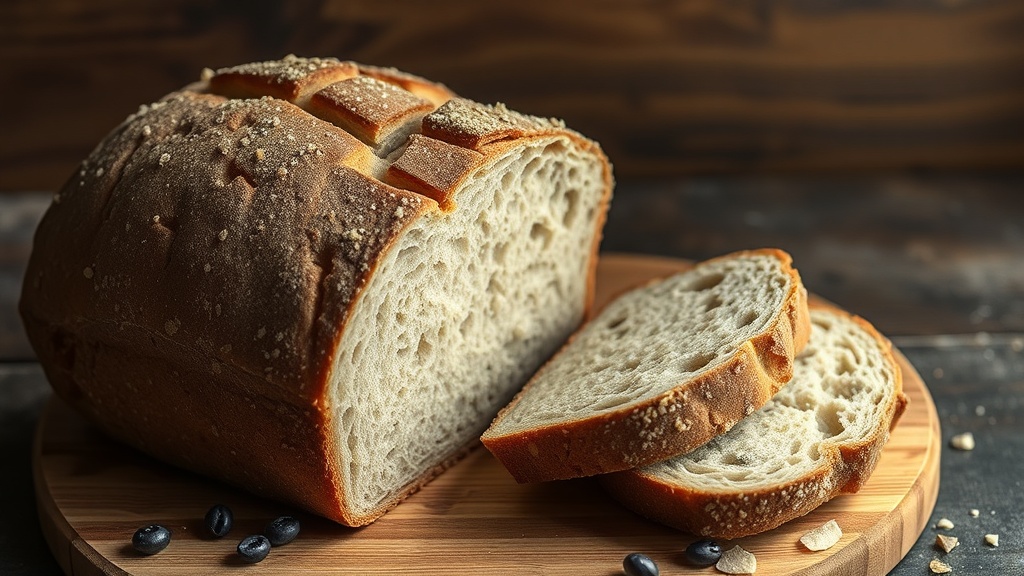
Many people enjoy sourdough bread for its unique flavor and texture, often considering it a healthier alternative to traditional white bread. However, recent studies and insights reveal that not all sourdough is created equal. In fact, some varieties may contain harmful additives that could pose serious health risks. This article explores the potential dangers associated with sourdough bread, including bromated flour and glyphosate contamination, and offers healthier alternatives.
Key Takeaways
- Sourdough bread can contain harmful ingredients like bromated flour and glyphosate.
- Bromated flour, banned in many countries, is linked to various health risks, including cancer.
- Glyphosate, a common herbicide, is often found in non-organic wheat flour.
- Opt for organic and ancient grain flours to ensure a healthier sourdough experience.
- Detoxifying with spirulina can help mitigate the effects of consuming contaminated bread.
The Risks of Bromated Flour
Bromated flour is a type of flour that has been treated with potassium bromate, a chemical additive used to enhance dough strength and promote a better rise. While this ingredient can improve the texture and quality of bread, it poses significant health risks. The International Agency for Research on Cancer (IARC) classifies potassium bromate as a possible human carcinogen, linking it to various types of tumors in animal studies.
Despite its potential dangers, bromated flour remains legal in the United States, while many other countries, including those in the European Union and Canada, have banned its use. This discrepancy raises concerns about consumer safety and the need for greater awareness regarding the ingredients in our food.
Even small amounts of bromated flour can result in cumulative exposure over time, potentially leading to serious health issues. Individuals regularly consuming products made with this flour may unknowingly increase their risk of developing health complications in the future.
Understanding Glyphosate Contamination
Glyphosate is a widely used herbicide, primarily known for its role in agricultural practices. It is commonly applied to wheat crops to expedite harvesting, which can result in residues remaining on the flour used to make sourdough bread. This chemical has garnered significant attention due to its association with serious health issues, including non-Hodgkin lymphoma and other cancers.
The health implications of glyphosate extend beyond cancer risk; it is also recognized as an endocrine disruptor that can impact hormonal balance. In addition, glyphosate has been shown to damage gut microbiota, potentially leading to digestive issues and other long-term health problems.
As many consumers remain unaware of glyphosate’s presence in non-organic wheat flour, it becomes crucial to prioritize the consumption of organic products. This choice not only supports healthier living but also encourages sustainable agricultural practices that avoid harmful chemicals.
Choosing Healthier Flour Options
To enjoy sourdough bread without the associated health risks, selecting the right type of flour is essential. Organic unbleached flour is a superior choice, as it is free from harmful additives like bromates and glyphosate. Additionally, opting for ancient grains such as einkorn, spelt, emmer, and Khorasan wheat can provide a healthier alternative.
These ancient grains are known for being easier to digest and having lower gluten content compared to modern wheat varieties. By incorporating these flours into your baking, you can enjoy a healthier sourdough experience without compromising on flavor or texture.
When purchasing flour, it is vital to check for certifications that indicate the product is non-GMO, organic, and unbromated. Avoid bleached or enriched flours, as these are often chemically treated and may contain harmful substances.
A Simple and Clean Sourdough Recipe
Creating your own sourdough bread at home is a rewarding and healthier option. Here’s a straightforward recipe that emphasizes using clean ingredients.
Ingredients:
- 3 cups organic unbleached flour (e.g., einkorn or spelt)
- 1½ cups filtered water
- ½ cup active sourdough starter (fed and bubbly)
- 1½ tsp sea salt
Instructions:
Begin by mixing the flour, water, and sourdough starter in a bowl. Allow the mixture to sit for about one hour to undergo autolyse, which helps develop the dough’s structure.
Next, add the sea salt and knead the dough gently. Cover the bowl and let the dough rise for 4 to 6 hours, folding it every hour to build strength. Once risen, shape the dough into a loaf and place it in a floured banneton, then refrigerate it overnight.
Preheat your oven to 475°F (245°C) with a Dutch oven inside. Score the dough and bake it covered for 20 minutes, then uncover and continue baking for another 25 minutes. Allow the loaf to cool completely before slicing to enjoy the benefits of your homemade, toxin-free sourdough bread.
Detoxifying with Spirulina
If you’ve previously consumed bread made with bromated or glyphosate-laden flour, detoxifying your body is essential. Spirulina, a nutrient-dense blue-green algae, serves as one of the most powerful natural detoxifiers available. It works by binding to heavy metals and chemical residues, helping to eliminate them from your system.
Spirulina is rich in chlorophyll, B vitamins, and antioxidants, making it an excellent addition to your diet for repairing oxidative damage caused by environmental toxins. Incorporating spirulina into your daily routine can support your overall health and well-being.
To benefit from spirulina, mix one teaspoon of organic spirulina powder into smoothies, juices, or water daily. If you are new to spirulina, start slowly and consider combining it with chlorella or cilantro for a more comprehensive detox experience.
Frequently Asked Questions
- What is bromated flour, and why is it harmful?
Bromated flour contains potassium bromate, which is used to improve dough strength. It’s considered a possible carcinogen and has been linked to various health issues, including tumors in animal studies. While it’s banned in many countries, it remains legal in the U.S., raising health concerns for consumers.
- How can I identify if my flour contains glyphosate?
Unfortunately, glyphosate residues are not always labeled on flour products. To minimize exposure, choose organic flour, as it is less likely to contain glyphosate. Look for certifications that ensure the product is non-GMO and has been tested for contaminants.
- Are ancient grains better for my health?
Yes, ancient grains like einkorn and spelt are generally easier to digest and lower in gluten than modern wheat varieties. They also provide a different nutrient profile, making them a healthier alternative for those looking to improve their diet.
- Can I detox my body from unhealthy flour?
Yes, detoxifying your body after consuming unhealthy flour is possible. Incorporating detoxifying superfoods like spirulina can help eliminate harmful substances from your system. Additionally, maintaining a diet rich in whole foods can support overall health.
- What are the main health benefits of spirulina?
Spirulina offers numerous health benefits, including detoxification, immune system support, and antioxidant properties. Its rich nutrient content can help repair oxidative damage and improve overall well-being, making it a valuable addition to your diet.
Conclusion
In conclusion, while sourdough bread can be a delightful addition to your diet, it’s crucial to be aware of the potential risks associated with certain types. By choosing organic and unbromated flour, as well as exploring healthier alternatives like ancient grains, you can enjoy the benefits of sourdough without compromising your health. Additionally, incorporating detoxifying superfoods like spirulina can further enhance your health and support your body’s natural detoxification processes. Stay informed and make conscious choices to protect your well-being.