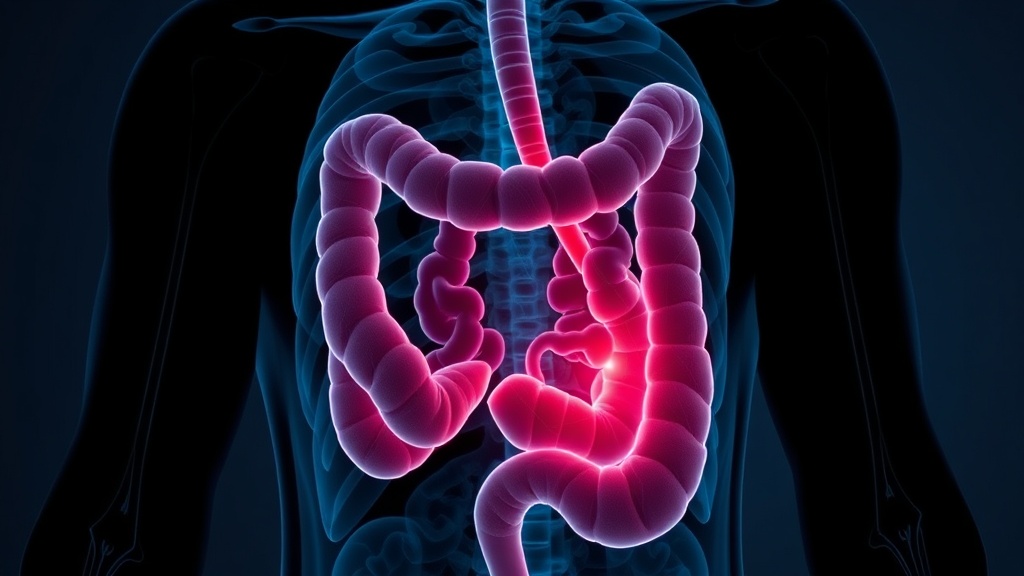
Colon cancer has increasingly become a pressing health concern for younger generations, with an alarming rise in cases reported among individuals under 40. Understanding the underlying factors contributing to this trend is crucial for prevention and health management. This article explores the causes of this phenomenon and offers actionable steps to mitigate risks associated with colon cancer.
Key Takeaways
- Colon cancer rates are rising among individuals under 40 due to lifestyle and dietary factors.
- Chronic insulin resistance and high sugar consumption play significant roles in cancer development.
- Ultra-processed foods disrupt gut health, leading to increased inflammation.
- Healthier dietary choices can help protect against colon cancer.
The Shift in Colon Cancer Demographics
Colon cancer, once primarily associated with older adults, is now increasingly affecting younger individuals. This shift can be attributed to various lifestyle changes, including dietary habits and overall metabolic health. Diagnoses are occurring at younger ages, often with more aggressive tumor characteristics, raising significant concerns among healthcare professionals.
The rise in colon cancer cases among those under 40 is not merely coincidental. It reflects a broader trend of lifestyle choices that have changed dramatically over recent decades. Young adults today are often consuming diets high in processed foods, sugars, and unhealthy fats, which can lead to long-term health issues.
Understanding the Role of Insulin Resistance
Insulin resistance is a key factor that contributes to the development of colon cancer. When insulin levels remain elevated due to excessive carbohydrate intake, sugar consumption, and constant snacking, the body’s cells receive signals to grow and divide uncontrollably. This cellular chaos creates an environment conducive to cancer cell proliferation.
The colon, in particular, is susceptible to these changes. It is exposed to glucose and insulin signals simultaneously, leading to a perfect storm for potential cancer development. By recognizing insulin’s role as a growth signal, individuals can better understand the importance of managing their insulin levels to reduce cancer risk.
The Impact of Sugar on Gut Health
Sugar is not just a sweetener; it has profound effects on gut health and overall well-being. High sugar consumption can lead to dysbiosis, an imbalance in gut bacteria, which is associated with various health issues, including inflammation and damaged intestinal lining. This damage can result in conditions like leaky gut, which further exacerbates inflammation and creates a pathway for cellular damage in the colon.
Moreover, cancer cells thrive on glucose, making high-sugar diets a significant risk factor for colon cancer. The relationship between sugar consumption and cancer development underscores the need for dietary awareness and changes to mitigate risks.
The Dangers of Ultra-Processed Foods
Modern diets are often laden with ultra-processed foods that the human gut is not equipped to handle. These foods often contain artificial additives, refined carbohydrates, and unhealthy fats that can disrupt gut microbiota and increase inflammation. As a result, the protective mucus layer of the colon can thin, heightening the risk of cellular damage and cancer.
By consuming ultra-processed foods, individuals may unknowingly transform their colons from protective barriers into sites of vulnerability. Understanding this connection is essential for making healthier dietary choices that support gut health and overall wellness.
The Reality for Younger Generations
Younger generations face unique challenges regarding their health, primarily due to their upbringing in a food environment dominated by processed, high-sugar products. Many young adults grew up consuming breakfast cereals, fruit juices marketed as “healthy,” and low-fat diets that are often high in hidden sugars.
As a result, many young adults may already be grappling with insulin resistance, fatty liver, and chronic gut inflammation by their 20s and 30s. Recognizing that colon cancer can be an end-stage expression of this metabolic decline emphasizes the importance of preventive measures and dietary changes at an early age.
Strategies for Protecting Your Gut and Health
Preventing colon cancer requires a proactive approach focused on dietary changes and lifestyle modifications. Here are some key strategies:
- Eliminate Sugar: Avoid all forms of liquid sugar, desserts, and so-called healthy sweeteners. It’s vital to understand that cancer does not discriminate based on the source of sugar.
- Address Insulin Resistance: Lowering carbohydrate intake can help stabilize blood sugar levels and reduce insulin resistance, creating a healthier metabolic environment.
- Choose Nutrient-Dense Foods: Opt for animal-based nutrition, which provides bioavailable protein and healing fats, while minimizing inflammatory residues.
- Avoid Constant Snacking: Give your digestive system time to rest and repair by reducing the frequency of meals and snacks.
Frequently Asked Questions
- Q1: What is the primary reason for the increase in colon cancer among people under 40?
The rise in colon cancer among younger individuals is primarily attributed to lifestyle choices, particularly unhealthy dietary habits. Factors such as increased sugar consumption, a prevalence of ultra-processed foods, and sedentary lifestyles contribute significantly to this trend. These elements can lead to metabolic dysfunction, including insulin resistance, which is closely linked to cancer risk.
- Q2: How does insulin resistance relate to colon cancer?
Insulin resistance results in chronically elevated insulin levels, signaling cells to grow and divide uncontrollably. This condition creates an environment where cancer cells can thrive, particularly in the colon, which is directly influenced by glucose and insulin signals. Managing insulin levels through dietary changes can help mitigate this risk.
- Q3: What dietary changes can help prevent colon cancer?
To reduce the risk of colon cancer, individuals should focus on eliminating sugar from their diets, addressing insulin resistance by lowering carbohydrate intake, and consuming nutrient-dense, whole foods. These changes help stabilize blood sugar levels and create a healthier gut environment, which is crucial for cancer prevention.
- Q4: Are ultra-processed foods harmful to gut health?
Yes, ultra-processed foods can be detrimental to gut health. They often contain artificial additives and unhealthy fats that disrupt the gut microbiome and promote inflammation. This inflammation can lead to various health issues, including increased cancer risk. Choosing whole, minimally processed foods is essential for maintaining gut health.
- Q5: Why is it crucial for young people to be aware of their dietary choices?
Being aware of dietary choices is vital for young people as their eating habits can have long-term health implications. Many young adults may unknowingly develop conditions like insulin resistance and chronic inflammation, setting the stage for more severe health issues, including colon cancer. Early intervention through healthier eating can significantly improve health outcomes.
Conclusion
The rising incidence of colon cancer among individuals under 40 highlights a critical public health issue rooted in modern dietary and lifestyle choices. By understanding the factors that contribute to this trend, such as insulin resistance, high sugar intake, and the consumption of ultra-processed foods, individuals can take proactive steps to protect their health. Implementing dietary changes, focusing on whole foods, and addressing metabolic health are essential for reducing the risk of colon cancer and enhancing overall wellness.