Salmon has long been touted as a superfood, praised for its heart-healthy benefits and rich nutrient profile. However, recent investigations reveal a troubling reality behind one of the most popular fish on our plates: Norwegian salmon. This article aims to uncover the shocking truths about the production of this fish, the potential health risks it poses, and what consumers can do to make informed choices.
Key Takeaways
- Farmed Norwegian salmon is often exposed to high levels of toxins.
- Wild salmon is not as safe as once thought due to pollution.
- Detoxification is essential for those who consume salmon regularly.
- Spirulina can help mitigate the effects of toxins in the body.
The Dark Reality of Salmon Farming
Norwegian salmon farming has grown into a billion-dollar industry, but the conditions under which these fish are raised are alarming. Farmed salmon live in overcrowded cages, where they are subjected to unsanitary conditions. These environments are rife with disease and parasites, leading to the heavy use of antibiotics and chemicals to keep the fish alive. This raises serious concerns about the fish’s health and the safety of consuming their flesh.
These cramped underwater cages are often referred to as “ocean concentration camps” by critics, emphasizing the inhumane treatment of the fish. The reality is that these fish not only suffer physically but are also pushed to their limits as they swim in their own waste. This toxic environment contributes to the overall contamination of the fish, making them a health risk for consumers.
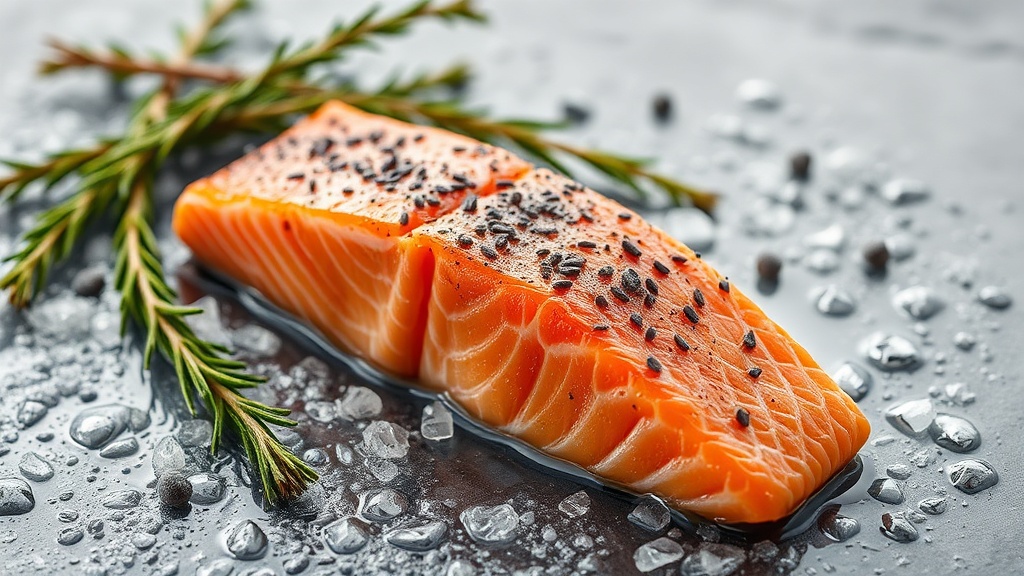
When you head to the store, the salmon fillet may look appealing, but it is essential to understand that its vibrant pink hue is often the result of artificial coloring. Farmed salmon is naturally grayish-white, with its color altered to make it more marketable. This practice raises further questions about the authenticity of what we are eating.
The Toxic Cocktail of Farmed Salmon
The health risks associated with consuming farmed Norwegian salmon are significant. Research indicates that these fish can contain dangerously high levels of toxins, including antibiotics, pesticides, and endocrine disruptors. The latter can interfere with hormonal functions in the body, leading to a range of health issues.
Additionally, farmed salmon is found to have elevated levels of microplastics and mercury, both of which are harmful to human health. The alarming truth is that farmed salmon can have 5 to 10 times more toxins than other tested food sources, posing a serious risk to consumers who believe they are making a healthy choice by opting for fish.
Those who enjoy dining out may be paying a premium for what they believe to be high-quality Norwegian salmon, unaware that they are likely consuming a product that is a product of chemical-laden farming practices. This misleading marketing has turned what should be a healthy option into a potential health hazard.
The Decline of Wild Salmon
Even wild salmon, once considered a safer alternative to farmed fish, is not immune to contamination. Decades of pollution have led to the accumulation of heavy metals, microplastics, and other harmful substances in the ocean, affecting the fish that inhabit these waters. As a result, wild salmon are increasingly found to contain harmful levels of toxins, making the choice between farmed and wild salmon less clear-cut.
This unfortunate reality means that even with the best intentions, consumers may inadvertently expose themselves to toxic substances. The perception that wild salmon is a clean protein source is becoming outdated, as the environmental changes have deeply impacted the quality of fish available in the market.
Whether you choose farmed or wild salmon, the risks associated with toxic exposure remain. With this in mind, it is crucial for consumers to be aware of these dangers and seek alternatives that prioritize health over convenience.
Detoxifying from Salmon Consumption
If you have regularly consumed salmon, it may be time to support your body in detoxifying the harmful substances it may have absorbed. One effective way to do this is through the use of spirulina, a nutrient-rich blue-green algae known for its detoxifying properties. This natural superfood can bind with heavy metals and toxins, facilitating their removal from the body.
Incorporating spirulina into your diet can help mitigate the effects of toxins you may have ingested from salmon. Start with a small dose, such as ½ to 1 teaspoon daily, and gradually increase your intake. Spirulina is also packed with chlorophyll, minerals, and antioxidants that can aid in repairing cellular damage caused by toxic exposure.
To enhance the detoxification process, pair spirulina with adequate hydration, clean mineral sources, and whole foods. This holistic approach can help your body clear out accumulated toxins and improve overall health.
Pros and Cons of Consuming Salmon
The decision to consume salmon—whether farmed or wild—comes with its own set of advantages and disadvantages. Understanding these can help you make an informed choice.
Pros:
- Salmon is a rich source of omega-3 fatty acids, which are beneficial for heart health.
- It provides high-quality protein and essential nutrients.
- Wild salmon can be a sustainable choice when sourced responsibly.
Cons:
- Farmed salmon is often laden with toxins and chemicals that pose health risks.
- Wild salmon may also be contaminated due to pollution.
- Misleading marketing can lead consumers to believe they are making healthier choices than they actually are.
Frequently Asked Questions
- Q1: Is all salmon unhealthy?
Not all salmon is inherently unhealthy, but it is crucial to understand the source. Farmed salmon tends to contain higher levels of toxins compared to wild salmon. However, wild salmon is also at risk of contamination due to environmental pollution. The best practice is to seek sustainably sourced salmon and be cautious about consumption frequency.
- Q2: How can I tell if my salmon is farmed or wild?
Labeling can often indicate whether salmon is farmed or wild, but it is not always reliable. Look for certifications from trusted organizations that ensure sustainable fishing practices. When in doubt, purchasing from reputable sources or local fisheries can provide greater assurance of the product’s origin.
- Q3: What are some alternatives to salmon?
If you are concerned about the risks associated with salmon, consider alternatives such as sardines, mackerel, or trout. These fish are often lower in toxins and still provide beneficial omega-3 fatty acids. Plant-based sources of omega-3s, like flaxseeds and chia seeds, can also be a suitable option for those looking to diversify their diets.
- Q4: How often should I eat fish?
Moderation is key when it comes to consuming fish. While fish is a healthy protein source, it is advisable to limit intake to two to three servings per week, focusing on variety and sustainability. This approach can help minimize exposure to toxins while still reaping the health benefits of omega-3 fatty acids.
- Q5: Can I detoxify my body after consuming salmon?
Yes, detoxifying your body after consuming salmon is possible. Incorporating detoxifying foods like spirulina, leafy greens, and hydration can support your body’s natural detox pathways. Additionally, maintaining a balanced diet rich in antioxidants can help combat any potential harmful effects from toxins.
Conclusion
The alarming truths about Norwegian salmon highlight the complexities surrounding our food choices. While salmon is often promoted as a healthful option, the reality of its production raises significant concerns. Understanding the potential risks associated with both farmed and wild salmon is essential for making informed dietary decisions. By prioritizing education and awareness, consumers can take proactive steps to protect their health while still enjoying the benefits of fish as part of a balanced diet.