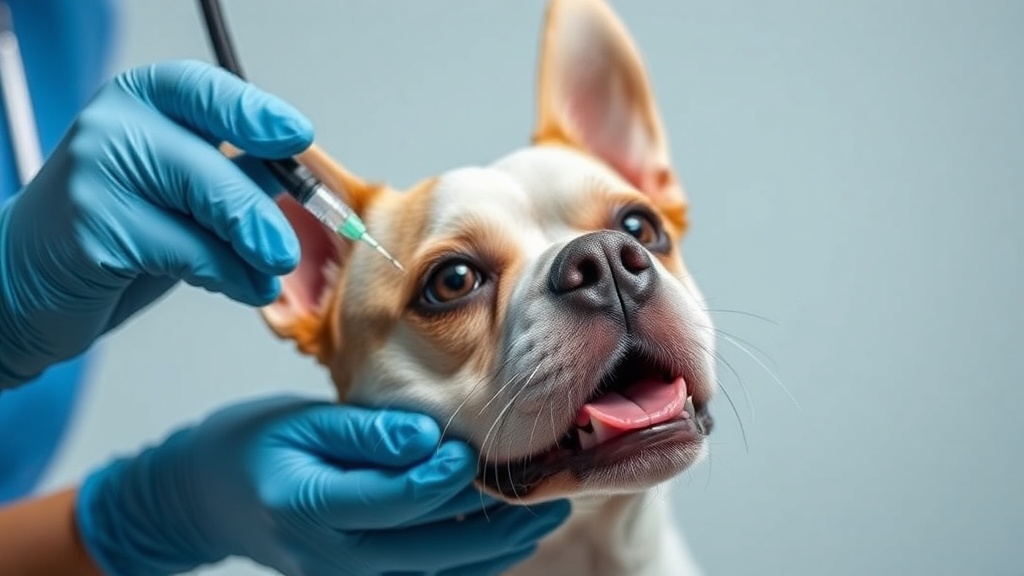
Pet vaccines play a critical role in maintaining the health of our beloved animals, yet many pet owners remain unaware of the complexities surrounding vaccine contents, their implications on health, and the options available for safeguarding their pets effectively. This article aims to shed light on the history of pet vaccines, what they contain, their potential health impacts, and alternative approaches for ensuring your pet’s well-being.
Key Takeaways
- Many vaccines may provide long-lasting immunity, making annual boosters unnecessary.
- Some vaccine ingredients can be harmful to pets and may lead to adverse health effects.
- Proper nutrition plays a significant role in building a pet’s immunity.
- Holistic alternatives can help mitigate vaccine risks while adhering to legal requirements.
- Understanding your rights regarding vaccine exemptions can be crucial for your pet’s health.
The Evolution of Pet Vaccination
The development of vaccines for pets began in the early 20th century, mirroring human vaccination initiatives. Initial vaccines, such as those for canine distemper and rabies, aimed to tackle common diseases. By the 1970s, the veterinary industry began promoting annual booster shots, primarily influenced by pharmaceutical marketing rather than rigorous scientific research. This shift has led many to question the necessity of yearly vaccinations, as holistic veterinarians argue that the data supporting such practices is lacking.
Dr. Ronald Schultz, a prominent immunologist in veterinary medicine, has dedicated over four decades to researching immunity duration. His studies indicate that many vaccines can confer immunity for 7 to 15 years and in some cases, a pet may even retain immunity for life. This evidence challenges the common practice of administering yearly boosters and raises concerns about unnecessary and potentially harmful vaccinations.
Decoding Vaccine Ingredients
While vaccines are often marketed as safe and effective, the actual ingredients can be alarming to many pet owners. Vaccines typically contain several components that serve various purposes in stimulating an immune response. However, some of these substances raise health concerns. For example, aluminum hydroxide is used as an adjuvant but has been linked to neuroinflammation. Thimerosal, a mercury-based preservative, poses neurotoxic risks, and formaldehyde, a known human carcinogen, is used to inactive viruses and bacteria.
Additionally, vaccines may include foreign proteins and fetal tissue cultures, which could provoke autoimmune reactions and allergies. Surfactants like polysorbate 80 are also present, which can potentially cross the blood-brain barrier, leading to neurological issues. Holistic veterinarians argue that these ingredients may have no place in healthy animals, particularly given the cumulative exposure over a lifetime.
Health Risks and Reactions
Post-vaccination reactions in pets can be more common than many owners realize. While some immediate symptoms like fever or swelling can manifest right after vaccination, others may develop chronic health issues that surface months or even years later. Documented side effects include autoimmune disorders, skin allergies, neurological inflammation, and even cancer at vaccine injection sites in cats.
These health issues often go unnoticed, as pets cannot verbally communicate their discomfort. Many changes are misattributed to aging or genetic factors, while the underlying cause may stem from immune disruption due to toxic vaccine ingredients. Pet owners need to remain vigilant and observant to recognize any changes in their pets’ health following vaccinations.
Creating a Strong Immune System Naturally
Instead of depending solely on vaccines, pet owners can focus on developing a robust immune system through proper nutrition. A species-appropriate diet that aligns with the natural dietary needs of dogs and cats can significantly enhance their health. By providing a diet rich in high-quality proteins, healthy fats, and essential nutrients, pet owners can nurture their pets’ immune systems from within.
Animals like dogs and cats are obligate carnivores, which means their digestive systems are tailored for meat and organ consumption rather than processed grains and additives. A raw or lightly cooked diet that includes grass-fed meats, omega-3-rich fish, and nutrient-dense foods like bone broth and egg yolks can improve overall health and resilience against diseases.
Exploring Holistic Alternatives
For pet owners in situations where vaccination is legally required, such as rabies, holistic veterinarians recommend various strategies to mitigate risks associated with vaccinations. One approach is to space out vaccines rather than administering multiple shots at once, reducing the overall burden on the pet’s immune system. Additionally, using single-dose vials can avoid exposure to harmful preservatives like mercury.
Another valuable strategy is to perform antibody titer testing to ascertain whether a pet already has sufficient immunity. If vaccination is necessary, detoxifying afterward with natural remedies such as milk thistle, spirulina, and vitamin C can help support the immune system and reduce the likelihood of adverse reactions.
Frequently Asked Questions
- What are the benefits of a holistic approach to pet vaccinations?
A holistic approach emphasizes prevention and overall health rather than reliance on chemical interventions. By focusing on nutrition and minimizing exposure to toxins, pet owners can help strengthen their pets’ immune systems. This can lead to fewer health issues, thereby reducing the need for repeated vaccinations.
- How can I determine if my pet needs a vaccination?
Consulting with a veterinarian who understands both conventional and holistic practices is crucial. They can assess your pet’s health history and current immunity through titer testing, allowing for more tailored vaccination strategies that align with your pet’s specific needs.
- Are there exemptions for mandatory vaccinations?
Yes, several states in the U.S. allow for medical exemptions from certain vaccinations if a licensed veterinarian deems them harmful to the pet’s health. It’s essential to check local regulations and work closely with your veterinarian to navigate these options.
- What should I watch for after my pet is vaccinated?
Post-vaccination, it’s important to monitor your pet for any unusual behavior or symptoms. Common reactions include lethargy, swelling at the injection site, and gastrointestinal upset. Should any severe symptoms like vomiting or seizures occur, immediate veterinary attention is warranted.
- Can diet really influence my pet’s health and immunity?
Absolutely! A diet that aligns with a pet’s natural needs can enhance their immune system and overall vitality. Foods high in nutrients and free from harmful additives can help pets maintain optimal health and resist infections.
Conclusion
While modern veterinary medicine has made great strides, it has also become closely linked with pharmaceutical interests. A holistic approach to pet care prioritizes prevention and nourishment over reliance on medications and vaccines. By focusing on proper nutrition, minimizing toxin exposure, and understanding the role of vaccinations, pet owners can empower their pets to achieve long-lasting health and vitality. Ultimately, a well-supported immune system can thrive without excessive intervention, allowing pets to lead happier and healthier lives.