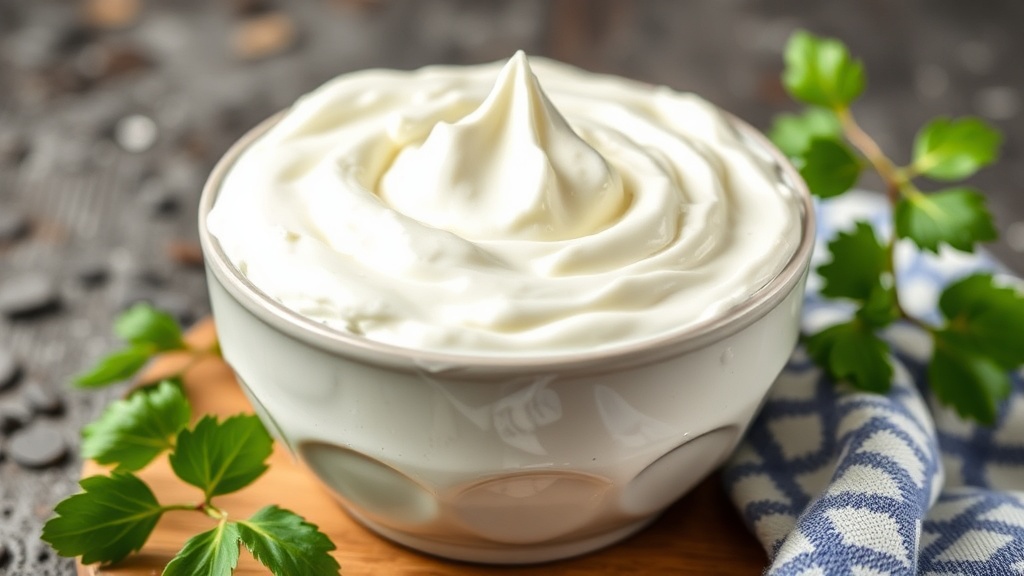
Sour cream is a staple in many kitchens, but what many consumers may not realize is that the majority of store-bought varieties are far from authentic. Instead of offering the rich, tangy goodness that traditional sour cream provides, these products often contain artificial additives and preservatives. This article explores why you should reconsider your sour cream choices and how to create a more genuine version at home using just two simple ingredients.
Key Takeaways
- Store-bought sour cream often contains artificial thickeners and preservatives.
- Homemade sour cream is a natural source of probiotics and essential vitamins.
- Making sour cream at home is simple and requires only two ingredients.
Understanding Real Sour Cream
Real sour cream is crafted from fresh cream that has been naturally cultured, leading to a tangy flavor and creamy texture. Traditionally, this process involved leaving raw cream at room temperature for beneficial bacteria to ferment it. This method produces a product free from artificial thickeners and flavorings, making it a healthier option.
In contrast, most commercial sour creams undergo ultra-pasteurization and contain additives like guar gum or gelatin to enhance texture. This processing kills off beneficial enzymes and live cultures, resulting in a product that, while labeled as sour cream, lacks the same health benefits and authentic taste.
Understanding these differences is crucial for anyone seeking to enjoy the full flavor and nutritional benefits of sour cream. By opting for homemade versions, you can ensure you are consuming a product that aligns more closely with traditional culinary practices.
The Rich History of Sour Cream
Sour cream has its roots in Eastern Europe, particularly in regions where dairy farming was prevalent. Traditionally, farmers relied on natural fermentation methods to preserve their cream, which became a staple in many dishes, from soups to baked goods. The Slavic term “smetana” refers to this fermented cream, and by the 12th century, it had gained popularity as a culinary ingredient.
The fermentation of dairy served not just a culinary purpose but also a practical one—it allowed for longer preservation of milk products throughout harsh winters. As communities immigrated and settled in North America, they brought these rich traditions with them, although the rise of industrial dairy processing has significantly altered how sour cream is produced today.
Understanding the historical context of sour cream not only enhances appreciation for this ingredient but also emphasizes the importance of keeping traditional methods alive in our kitchens.
The Health Benefits of Homemade Sour Cream
When made traditionally, sour cream is a rich source of probiotics, which are essential for gut health. These beneficial bacteria aid digestion, reduce bloating, and may even bolster immune function. Unfortunately, many commercial brands heat their product post-fermentation, killing these vital microbes and reducing the health benefits.
In addition to probiotics, homemade sour cream is abundant in fat-soluble vitamins such as A, D, E, and K2. These vitamins are instrumental in supporting various bodily functions, from hormone regulation to bone health. The vitamin K2 found in dairy promotes calcium utilization in the body, helping to strengthen teeth and bones.
Moreover, traditional sour cream is easier to digest compared to fresh cream. The fermentation process breaks down lactose and transforms dairy proteins, making it a suitable option for those who typically struggle with lactose intolerance.
Why You Should Make Sour Cream at Home
Creating sour cream in your kitchen allows you to control the quality of ingredients. You can source high-quality cream, preferably from grass-fed cows, ensuring that your final product is rich in flavor and nutrients. Unlike store-bought varieties, homemade sour cream contains no artificial thickeners, fillers, or preservatives.
Making your own sour cream is also cost-effective. Premium store brands can be quite expensive, while homemade versions can be produced at a fraction of the cost, providing better value for your money. The process is straightforward and rewarding, allowing you to enjoy a delicious, probiotic-rich condiment.
With just two ingredients—heavy cream and a cultured starter—you can create a versatile product that enhances a variety of dishes, from dips to salad dressings.
How to Make Your Own Sour Cream
Making sour cream at home is a simple process that requires only minimal effort. Start with two cups of heavy cream, preferably raw or low-temperature pasteurized, to ensure the best fermentation results. Add two tablespoons of a live cultured starter, such as buttermilk or store-bought sour cream that contains active cultures.
Warm the cream slightly to room temperature, around 70°F (21°C), and then stir in the cultured starter. Pour the mixture into a clean glass jar and cover it loosely with a lid or cloth to allow it to breathe while fermenting. Let it sit at room temperature for 12 to 24 hours, depending on the ambient temperature.
Once the mixture becomes thick and tangy, stir it gently and refrigerate it. It will continue to firm up in the fridge, resulting in a delicious, homemade sour cream ready for your culinary creations.
Creative Ways to Use Real Sour Cream
Homemade sour cream is incredibly versatile and can enhance a wide array of dishes. Use it as a rich addition to soups and stews, adding creaminess and depth of flavor. It pairs wonderfully with potatoes, whether in mashed form or as a topping for baked potatoes.
You can also incorporate sour cream into dips and salad dressings, providing a tangy base that elevates your recipes. For a sweet twist, try spooning it over fresh fruit, pancakes, or crepes for a delightful breakfast treat. Additionally, blending it into smoothies adds a creamy texture without the need for ice cream.
With so many options, homemade sour cream can easily become a staple in your kitchen, enhancing both savory and sweet dishes.
Frequently Asked Questions
- Q1: How long does homemade sour cream last?
Homemade sour cream can typically last up to two weeks when stored in an airtight container in the refrigerator. However, it is always best to check for any off smells or changes in texture before using it. If you notice any signs of spoilage, it’s advisable to discard it.
- Q2: Can I use ultra-pasteurized cream to make sour cream?
While you can technically use ultra-pasteurized cream, it is not recommended as it may not ferment properly. The heating process destroys many of the beneficial bacteria necessary for fermentation. For best results, opt for raw or low-temperature pasteurized cream.
- Q3: What can I use as a starter if I don’t have buttermilk or sour cream?
If you don’t have buttermilk or store-bought sour cream, you can use a powdered mesophilic culture as a starter. These cultures are available at health food stores or online and can yield similar results in terms of fermentation and flavor.
- Q4: Is it possible to make sour cream without heavy cream?
Traditional sour cream relies on heavy cream for its rich texture and flavor. However, if you’re looking for a lighter option, you can experiment with whole milk, but the resulting product may not be as thick or creamy. Fermentation times may also need to be adjusted.
- Q5: Can I freeze homemade sour cream?
Freezing homemade sour cream is possible, but it may alter the texture. If you plan to freeze it, consider using it in cooked dishes after thawing, as the changes in texture may not be suitable for serving it fresh. To freeze, place it in an airtight container, leaving some space for expansion.
Conclusion
Homemade sour cream is a simple and nourishing addition to any kitchen. By returning to traditional methods of fermentation, you not only enjoy a probiotic-rich food but also reconnect with a piece of culinary heritage that has been overshadowed by modern processing. With just a few ingredients and minimal effort, you can create a delicious product that far surpasses anything you’ll find on store shelves. Embrace the art of making sour cream at home and elevate your culinary creations.