As our world increasingly shifts towards energy-efficient solutions, LED bulbs have become the go-to choice for many households. However, recent discussions highlight significant concerns regarding the potential health risks associated with these modern lighting options. This article explores the hidden dangers of LED lighting, the advantages of incandescent bulbs, and what you should consider in your lighting choices.
Key Takeaways
- LED bulbs can cause flicker-induced health issues.
- Incandescent bulbs offer a stable light source with fewer health risks.
- Awareness of the effects of lighting on well-being is crucial for informed choices.
The Hidden Risks of LED Lighting
LED lights are often marketed as a beneficial alternative to traditional incandescent bulbs due to their energy efficiency. However, they come with a range of hidden risks that many consumers are unaware of. The rapid flickering of LED bulbs, which occurs hundreds of times per second, is typically imperceptible to the naked eye yet can lead to various health problems.
Research indicates that prolonged exposure to flickering lights can result in serious neurological effects, including chronic headaches and eye strain. People who spend extended periods under LED lighting often report symptoms like discomfort, migraines, and fatigue, raising questions about the safety of these seemingly harmless bulbs.
Moreover, the blue light emitted by many LED products can interfere with the production of melatonin, the hormone responsible for regulating sleep. This disruption can lead to sleep disturbances, making it difficult to maintain a healthy sleep cycle. As our understanding of these risks grows, it becomes essential to consider the long-term implications of relying solely on LED lighting.
Incandescent Bulbs: A Safer Choice
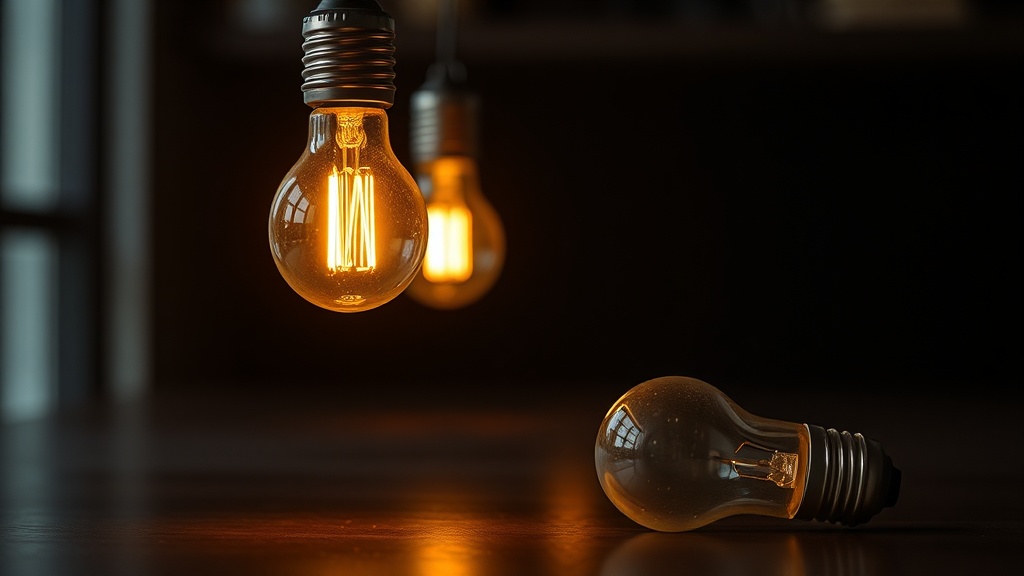
While incandescent bulbs may seem outdated in an era that champions energy efficiency, they offer several benefits that make them a worthwhile consideration. Unlike their LED counterparts, incandescent bulbs provide steady, flicker-free illumination. This quality makes them gentler on the eyes and less likely to induce headaches or discomfort.
Incandescent bulbs produce a warm light that closely mimics natural sunlight, which can enhance mood and overall well-being. The full spectrum of light they emit is easier for our eyes to process, making environments feel more inviting and comfortable. In contrast, the harsh blue light from many LEDs can create an unwelcoming atmosphere, negatively affecting our mental health.
Furthermore, incandescent bulbs have minimal impact on circadian rhythms, allowing for a more restful night’s sleep. Experts suggest that certain areas of the home, such as bedrooms and living rooms, are better suited for incandescent lighting due to these benefits. Despite the energy efficiency of LEDs, the comfort and safety offered by incandescent bulbs cannot be overlooked.
Understanding the Energy Debate
The argument for energy efficiency has led to a widespread adoption of LED lighting, with claims of lower energy bills and reduced environmental impact. However, this push raises important questions about the actual benefits versus the potential health risks associated with these bulbs. It’s crucial to weigh the short-term gains of energy savings against the long-term health consequences that may arise from LED usage.
Many consumers may not be fully aware of the trade-offs they are making when choosing LED bulbs over incandescent options. While LEDs consume significantly less energy and last longer, the hidden health implications can be substantial. It’s worth considering whether the quest for energy efficiency should come at the cost of our well-being.
Moreover, as the market continues to prioritize LED technology, it’s essential for consumers to remain informed. Staying educated about the nuances of lighting can empower individuals to make better choices that balance energy savings with health considerations. The conversation surrounding lighting should include not only environmental impact but also the physiological effects on individuals.
Alternatives and Innovations in Lighting
As awareness of the potential risks associated with LED bulbs grows, many consumers are seeking alternatives. Some have turned to smart lighting solutions that allow for customizable settings, giving users more control over the light spectrum and intensity. These innovations can help mitigate the adverse effects of traditional LED bulbs while still offering energy efficiency.
Another option gaining traction is the use of halogen bulbs, which are a type of incandescent lighting. Halogen bulbs provide a bright, warm light similar to traditional incandescent bulbs but with improved energy efficiency. They can serve as a middle ground for those looking to reduce energy consumption without sacrificing quality of light.
Additionally, advancements in organic light-emitting diodes (OLEDs) are worth noting. OLED technology promises a softer, more natural light quality that could potentially eliminate some of the flicker and blue light issues associated with traditional LEDs. As the lighting industry evolves, staying informed about new technologies can help consumers make choices that prioritize both health and energy efficiency.
Frequently Asked Questions
- Q1: Are LED bulbs really harmful to my health?
While LED bulbs are marketed as energy-efficient, they can pose certain health risks, particularly due to flickering that may lead to headaches, eye strain, and sleep disruptions. The blue light emitted by LEDs can also interfere with melatonin production, affecting your sleep quality. It’s essential to be aware of these potential issues when choosing lighting options for your home.
- Q2: What are the benefits of using incandescent bulbs?
Incandescent bulbs provide several benefits, including steady, flicker-free illumination that is easier on the eyes. They emit a warm light that closely resembles natural sunlight, which can positively impact mood and overall well-being. Additionally, incandescent bulbs have minimal effect on circadian rhythms, promoting better sleep when used in appropriate settings.
- Q3: What alternatives exist between LEDs and incandescent bulbs?
Several alternatives offer a balance between energy efficiency and health considerations. Halogen bulbs, for example, are a type of incandescent lighting that provides better energy efficiency while maintaining high-quality light. Additionally, smart lighting solutions and advancements in OLED technology present opportunities for customizable lighting that could mitigate some of the adverse effects associated with traditional LEDs.
- Q4: How can I minimize the health risks associated with LED lighting?
To reduce the potential health risks of LED lighting, consider using dimmable LEDs or smart bulbs that allow you to adjust the light spectrum and intensity. Limiting exposure to blue light in the evening, using warmer light settings, and incorporating natural light into your environment can also help mitigate some negative effects. Additionally, consider using incandescent bulbs in areas where you spend a lot of time.
- Q5: Is there a pushback against the use of LED lighting?
Yes, as more people become aware of the potential health risks associated with LED lighting, there is growing pushback against their widespread adoption. Consumers are advocating for transparency regarding the effects of different types of lighting and are seeking alternatives that prioritize both energy efficiency and health. This shift may influence future regulations and product offerings in the lighting industry.
Conclusion
As we continue to navigate the complexities of modern lighting, it is crucial to remain informed about the potential health risks associated with LED bulbs. While they offer undeniable energy efficiency, the flickering and blue light emissions can lead to various health issues that may outweigh their benefits. Incandescent bulbs, with their steady illumination and natural light quality, present a safer alternative worth considering. As consumers, we have the power to make choices that prioritize our well-being while still being mindful of energy consumption. The conversation around lighting should encompass both health and environmental impact, guiding us toward a more balanced approach to illumination.