Stevia has gained immense popularity as a natural, zero-calorie alternative to sugar, but the reality of this sweetener might not be as innocent as it appears. As we explore the implications of consuming stevia, we will uncover the industrial processes behind its production, potential health risks, and safer alternatives. This article aims to provide clarity on why stevia may not be the healthful option many believe it to be.
Key Takeaways
- Stevia is highly processed, often straying far from its natural origins.
- Allergic reactions and heart issues are potential risks associated with stevia consumption.
- Stevia can negatively impact gut health by disrupting the microbiome.
- Natural sweeteners like raw honey can serve as healthier alternatives.
- Understanding the processing of stevia helps consumers make informed dietary choices.
The Misleading Label of ‘Natural’
Many consumers are misled by the label of stevia as a “natural” sweetener. While stevia itself originates from the leaves of the Stevia rebaudiana plant, the form commonly found in products is a far cry from its unprocessed state. In reality, commercial stevia undergoes extensive chemical refinement that transforms it into a product that is hardly recognizable as a plant-derived substance. This process often involves the use of alcohol solvents and chemical agents, raising questions about its authenticity as a natural option.
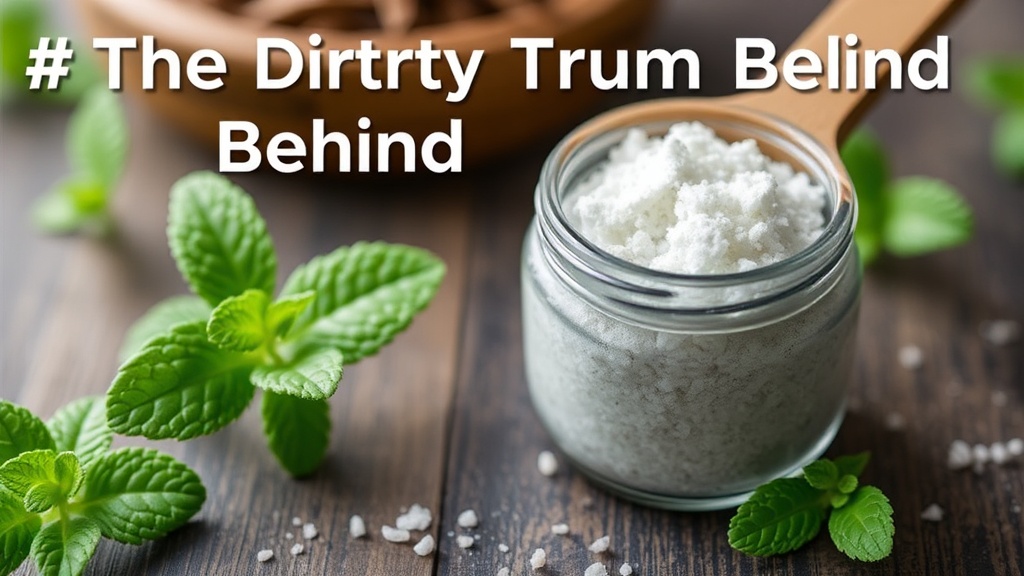
The extraction method utilized produces a white powder or clear liquid sweetener, which is a significant departure from the green leaves of the stevia plant. This transformation highlights the disconnect between marketing claims and the reality of what consumers are actually consuming. Many people may not realize that the body may not process these isolated compounds in the same way it does whole foods, potentially leading to adverse health effects.
Allergies and Stevia: A Risky Connection
One of the more concerning aspects of stevia is its connection to allergies. Belonging to the ragweed family (Asteraceae), stevia can cause reactions in individuals who are sensitive to related plants. Research indicates that a significant number of people—up to 45%—may experience allergic sensitivities to ragweed family members, which could manifest as skin rashes, headaches, or digestive discomfort. For those who consume stevia regularly, these symptoms may go unnoticed but could contribute to a decline in overall health.
Furthermore, stevia consumption has been linked to heart rhythm disturbances, including atrial fibrillation (AFib) and palpitations. Sensitive individuals may notice an increase in these cardiac irregularities after consuming stevia, highlighting the importance of being aware of the potential risks associated with this sweetener. While some people may use stevia without experiencing any symptoms, it is critical to understand that the effects can vary significantly from person to person.
The Impact on Gut Health
Another significant concern revolving around stevia is its potential impact on gut health. Research suggests that the use of stevia may alter the gut microbiome, which is crucial for digestion, immunity, and overall well-being. The balance of beneficial bacteria in the gut can be disrupted by artificial sweeteners, including those labeled as “natural,” leading to an increase in harmful bacteria. This imbalance can result in inflammation, poor digestion, and conditions like leaky gut syndrome over time.
In addition to affecting gut health, some studies suggest that stevia may harm the endothelial lining of blood vessels. This delicate layer is essential for nutrient absorption and overall vascular health. The long-term implications of consuming stevia and its effects on gut and vascular health remain unclear, but early evidence points to caution when incorporating this sweetener into one’s diet.
Safer Natural Sweetener Alternatives
If you are searching for healthier alternatives to stevia, consider natural sweeteners that have not undergone extensive processing. Raw honey is an excellent example; it is rich in enzymes, minerals, and trace nutrients that can offer health benefits beyond mere sweetness. Unlike stevia, raw honey contains antimicrobial properties and can aid in healing. However, moderation is key, and it is essential to select raw, unfiltered varieties to maximize health benefits.
Other natural sweeteners, such as maple syrup and coconut sugar, can also serve as alternatives. These options provide a more holistic approach to sweetening food while offering additional nutrients and flavors that stevia lacks. By choosing whole-food sweeteners, you can enjoy sweetness without the drawbacks associated with highly processed products like stevia.
Frequently Asked Questions
- What is the main concern with stevia’s processing?
The primary concern with stevia’s processing is that it undergoes extensive chemical refinement, which transforms it from a natural plant into a highly processed product. This transformation often involves solvents and chemical agents, raising questions about its authenticity as a natural sweetener and its potential health effects on the body.
- Can stevia cause allergic reactions?
Yes, stevia can cause allergic reactions in individuals who are sensitive to plants in the ragweed family. Symptoms may include skin rashes, headaches, and digestive discomfort. It is essential for people with known allergies to be cautious when consuming stevia and to monitor any adverse reactions.
- How does stevia affect gut health?
Stevia can negatively impact gut health by disrupting the balance of the microbiome. Studies suggest that the use of stevia may favor harmful bacteria over beneficial strains, leading to inflammation and digestive issues over time. Additionally, stevia may affect the endothelial lining of blood vessels, further complicating its impact on overall health.
- What are some natural alternatives to stevia?
Natural alternatives to stevia include raw honey, maple syrup, and coconut sugar. These sweeteners offer additional nutrients and health benefits that processed sweeteners like stevia lack. Choosing whole-food sweeteners can provide a more balanced approach to satisfying your sweet tooth while minimizing potential health risks.
- Is stevia safe for everyone?
While many people may use stevia without experiencing adverse effects, it is not safe for everyone. Individuals with allergies to ragweed or those with heart conditions should exercise caution when consuming stevia. It’s essential to listen to your body and consult with a healthcare professional if you have concerns about including stevia in your diet.
Conclusion
In conclusion, while stevia is often marketed as a natural sweetener, the reality is that it is a highly processed product that can pose health risks. From potential allergic reactions to adverse effects on gut health and heart rhythm, there are valid reasons for consumers to be cautious. Understanding the true nature of stevia and exploring safer, whole-food alternatives can help you make informed dietary choices that prioritize your health and well-being.