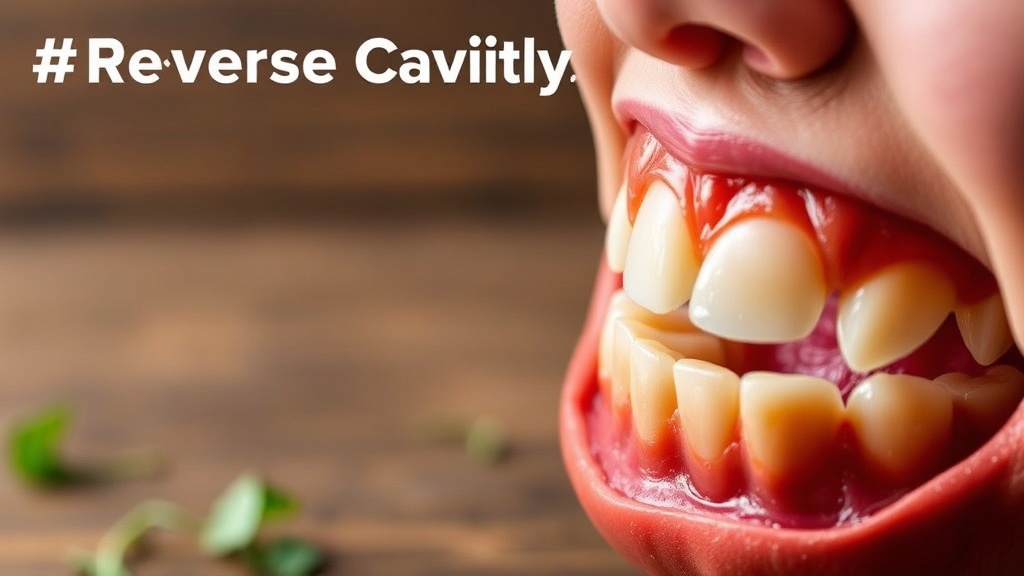
For many years, the dental community has held the belief that once a cavity forms, it is irreversible without intervention like fillings or extractions. However, Dr. Weston A. Price, known for his extensive research in nutritional dentistry, has provided a different perspective. His findings suggest that cavities can be prevented and even reversed through proper nutrition, particularly through an animal-based diet rich in essential vitamins and minerals. This article explores how adopting these principles can support dental health and potentially reverse cavities.
Key Takeaways
- Cavities can be influenced by nutrition, not just oral hygiene.
- Fat-soluble vitamins A, D, and K2 are crucial for dental health.
- An animal-based, low-carb diet supports tooth remineralization.
- Organ meats provide vital nutrients for reversing cavities.
- Eggshells and oil pulling can enhance dental care routines.
The Weston Price Paradigm Shift
Dr. Weston A. Price’s research challenged the established notion that cavities are solely the result of poor oral hygiene. He observed that traditional societies consuming nutrient-dense diets experienced minimal dental decay. This revelation suggests a direct correlation between nutritional intake and dental health. The emphasis on whole, unprocessed foods in these societies highlights the importance of diet in maintaining healthy teeth and preventing cavities.
Price’s work also pointed out that modern diets, laden with processed foods and refined sugars, contribute significantly to tooth decay. In contrast, the traditional diets rich in animal products provided essential nutrients that support dental health. By shifting our focus back to these nutrient-dense foods, we can better understand the foundations of maintaining healthy teeth and potentially reversing existing dental issues.
The Importance of Fat-Soluble Vitamins
Three fat-soluble vitamins—A, D, and K2—are integral to dental health and cavity reversal. Vitamin A is crucial for saliva production and helps in the formation of dentin, the layer beneath the enamel. Adequate saliva is essential for neutralizing acids in the mouth and providing necessary minerals for teeth.
Vitamin D plays a vital role in calcium and phosphorus absorption, both of which are necessary for rebuilding tooth structure and strengthening enamel. Without sufficient vitamin D, the body struggles to utilize these minerals effectively, leading to weakened teeth.
Vitamin K2 ensures that calcium is directed to the right places in the body, such as the teeth and bones, rather than soft tissues. Incorporating foods high in these vitamins, such as grass-fed butter, organ meats, and pastured eggs, can significantly impact dental health and cavity prevention.
The Benefits of an Animal-Based, Low-Carb Diet
Dr. Price’s observations emphasized the detrimental effects of high carbohydrate and sugar consumption on dental health. These modern dietary staples promote the growth of harmful bacteria in the mouth, leading to increased acid production and enamel erosion. In contrast, an animal-based diet rich in proteins and healthy fats supports the body’s natural repair processes.
By adopting a low-carb approach, individuals can minimize the frequency of acid attacks on their teeth. This dietary shift allows the body to enter a fat-burning state, which promotes a more alkaline environment in the mouth. An alkaline environment is less conducive to cavity formation and helps the body utilize minerals more effectively for tooth repair.
Thus, embracing an animal-based diet not only supports overall health but also provides the necessary nutrients for dental strength and longevity.
Utilizing Organ Meats for Nutritional Boost
Organ meats, such as liver, heart, and kidney, are some of the most nutrient-dense foods available. They are particularly high in fat-soluble vitamins A and D, which are essential for maintaining dental integrity. Liver is especially notable for its concentration of these vitamins, making it a powerful ally in reversing cavities.
These organ meats also contain vitamin K2, which directs critical minerals like calcium to the teeth and bones, ensuring proper mineralization and preventing harmful deposits in soft tissues. Including organ meats in the diet can significantly enhance mineral intake, bolstering the body’s ability to repair and strengthen teeth naturally.
For those looking to improve their dental health, adding organ meats to meals can provide a robust nutritional foundation for cavity prevention and reversal.
Natural Remedies: Eggshells and Oil Pulling
One often-overlooked natural remedy for dental health is the use of eggshells. Composed mainly of calcium carbonate, eggshells share a composition similar to tooth enamel. When cleaned and ground into a fine powder, they can serve as a natural calcium supplement, aiding in the remineralization of teeth.
Incorporating eggshell powder into smoothies or homemade toothpaste can provide bioavailable calcium, helping to strengthen enamel and combat early stages of tooth decay.
Additionally, oil pulling with coconut oil is a practice that can help reduce harmful bacteria and inflammation in the mouth. This ancient technique, combined with the use of remineralizing toothpaste made with calcium powder and other natural ingredients, can enhance oral health and promote enamel regeneration.
Eliminating Processed Foods for Optimal Dental Health
To maximize the potential for cavity reversal, it is essential to eliminate processed foods, refined sugars, and items high in phytic acid from the diet. Phytic acid, found in grains, legumes, and nuts, binds to minerals and inhibits their absorption, making it challenging for the body to utilize them effectively for dental health.
While methods like soaking or fermenting can reduce phytic acid content, a diet focused on nutrient-dense animal products minimizes exposure to these antinutrients. This dietary strategy allows the body to absorb more minerals essential for remineralization and overall dental health.
By prioritizing whole foods and reducing harmful dietary components, individuals can create an environment conducive to reversing cavities and maintaining long-term oral health.
Frequently Asked Questions
- Can cavities really be reversed with diet?
Yes, according to Dr. Weston A. Price’s research, cavities can be influenced by nutritional factors. A diet rich in fat-soluble vitamins and minerals can support remineralization, potentially reversing early stages of tooth decay.
- What role do fat-soluble vitamins play in dental health?
Fat-soluble vitamins A, D, and K2 are crucial for maintaining healthy teeth. They help in saliva production, mineral absorption, and ensuring that minerals are directed to the teeth and bones, which are essential for enamel integrity and remineralization.
- Are there specific foods that can help reverse cavities?
Foods rich in fat-soluble vitamins and minerals, such as grass-fed butter, organ meats, pastured eggs, and raw dairy, are particularly beneficial. Additionally, eggshells can serve as a natural calcium source, aiding in enamel repair.
- What is oil pulling, and how does it help?
Oil pulling is an ancient practice that involves swishing oil, such as coconut oil, in the mouth to reduce harmful bacteria and inflammation. It can complement a healthy diet by promoting overall oral health and potentially enhancing the effectiveness of remineralizing toothpaste.
- How can I minimize phytic acid in my diet?
To reduce phytic acid intake, focus on consuming fewer processed foods and refined grains. Soaking, sprouting, or fermenting grains, legumes, and nuts can also help lower their phytic acid content, improving mineral absorption.
Conclusion
Reversing cavities is attainable through a holistic approach that incorporates the nutritional principles established by Dr. Weston A. Price. By prioritizing fat-soluble vitamins, minimizing refined carbohydrates, and embracing an animal-based diet, individuals can provide their bodies with the necessary tools for dental health. This approach not only supports the reversal of cavities but also establishes a foundation for long-term oral well-being. By understanding the link between nutrition and dental health, we can make informed dietary choices that promote stronger teeth and healthier smiles.