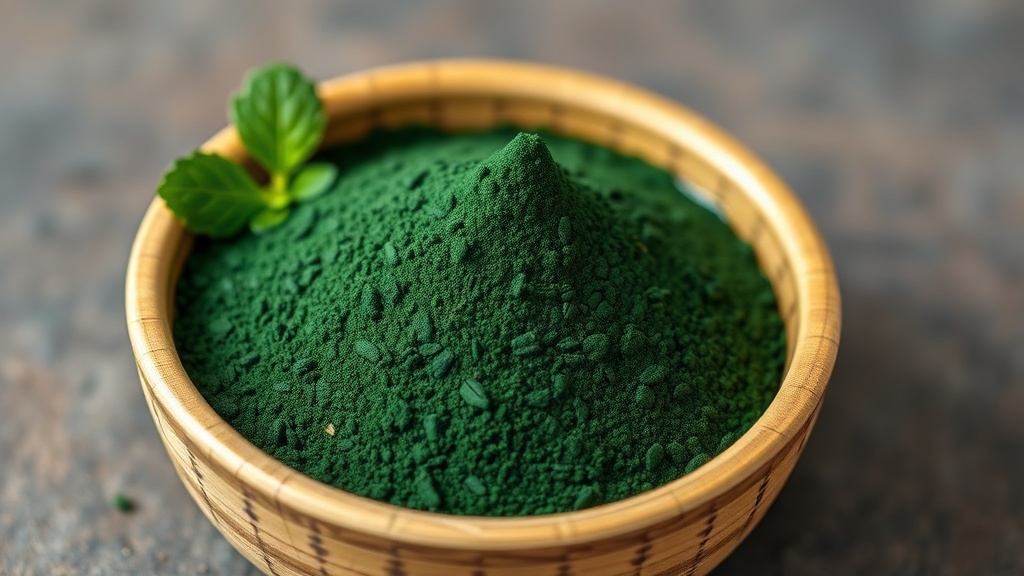
In a world filled with detox teas, powders, and elaborate cleanses, the real solution may come from an ancient source: spirulina. This blue-green microalgae has been recognized for its powerful detoxifying properties and nutritional benefits, making it a remarkable addition to any health regimen. Unlike many modern detox products that often rely on extreme measures, spirulina offers a natural way to rid the body of heavy metals and other toxins while simultaneously providing essential nutrients.
Key Takeaways
- Spirulina is a potent detoxifier that can bind to heavy metals.
- It supports the body’s natural detox pathways, including the liver and kidneys.
- Spirulina is rich in essential nutrients, promoting overall health and wellness.
- Regular consumption can lead to noticeable improvements in skin, energy, and overall wellness.
The Science Behind Spirulina
Spirulina is classified as a cyanobacteria, often referred to as blue-green algae. This organism has been thriving for billions of years and is known for its unique ability to absorb heavy metals from the environment. Unlike plants, spirulina operates on a cellular level, effectively pulling toxins such as mercury, lead, and aluminum from the body.
The cell walls of spirulina contain natural chelating compounds that act like magnets for heavy metals. When consumed, these compounds bind to toxins and facilitate their removal through the body’s detox pathways. This mechanism helps prevent harmful substances from recirculating in the bloodstream, making spirulina a safe and effective detox solution.
Moreover, research shows that spirulina can significantly reduce toxic heavy metals in the body, providing a dual benefit of detoxification and protection against oxidative stress. This makes it an invaluable ally in the quest for better health.
How Spirulina Works in the Body
Spirulina’s detoxifying properties are particularly effective against various heavy metals. For instance, it binds to mercury, often found in fish and dental fillings, preventing it from crossing into the brain and nervous system. This is vital for maintaining cognitive function and overall brain health.
When it comes to lead, studies have shown that spirulina can effectively lower blood lead levels and protect the liver from damage caused by oxidative stress. This is especially important for individuals living in areas with high environmental lead exposure.
Aluminum, another toxic metal, is linked to several neurological disorders. Spirulina works to block aluminum absorption in the gut and encourages the excretion of stored aluminum from tissues, potentially mitigating its harmful effects on the nervous system.
Nutritional Benefits of Spirulina
Beyond its detoxifying capabilities, spirulina is a powerhouse of nutrients. It contains high levels of iron, which is essential for oxygen transport and energy production in the body. This makes it particularly beneficial for those who may be iron deficient or looking to boost their energy levels.
Spirulina is also rich in magnesium, important for maintaining muscle and nerve function. Additionally, its chlorophyll content aids in blood purification, further enhancing its role in detoxification.
Furthermore, spirulina is packed with protein and essential amino acids that support tissue repair and the production of detoxification enzymes. This unique combination of nutrients sets spirulina apart from many modern diets, which often lack these vital components.
Integrating Spirulina Into Your Diet
Incorporating spirulina into your daily routine can be simple and rewarding. Just one spoonful of high-quality, lab-tested spirulina can initiate the body’s process of clearing accumulated heavy metals and chemical residues. Many individuals report noticeable improvements in skin clarity, energy levels, and overall vitality as their bodies begin to detoxify.
Spirulina can be consumed in various forms, including powders, capsules, and tablets. The powder can be easily added to smoothies, juices, or even sprinkled on salads for a nutritional boost. The versatility of spirulina makes it easy to integrate into almost any diet.
For optimal results, consider pairing spirulina with a balanced diet rich in whole foods, adequate hydration, and regular physical activity. This holistic approach to health can amplify the benefits of spirulina and promote lasting wellness.
Pros and Cons of Spirulina
Pros
- Natural detoxifier that effectively binds to heavy metals.
- Rich in essential nutrients that support overall health.
- Easy to incorporate into daily meals and snacks.
- May improve skin clarity and energy levels.
Cons
- Some individuals may experience digestive discomfort when first starting.
- Quality can vary; it’s essential to choose high-quality spirulina to avoid contaminants.
- Not suitable for everyone; people with certain medical conditions should consult a healthcare provider.
Frequently Asked Questions
- What is spirulina?
Spirulina is a type of cyanobacteria, commonly known as blue-green algae, that is rich in nutrients and has been used for centuries as a dietary supplement. It is known for its detoxifying properties, especially its ability to bind to heavy metals in the body.
- How does spirulina detoxify the body?
Spirulina detoxifies the body by binding to heavy metals and other toxins through its natural chelating compounds. These compounds attach to harmful substances and facilitate their removal via the body’s detox pathways, such as the liver and kidneys, preventing them from causing harm.
- Can anyone take spirulina?
While spirulina is safe for most people, those with specific medical conditions or allergies should consult a healthcare provider before incorporating it into their diet. Additionally, it is crucial to choose high-quality spirulina to avoid contamination with heavy metals or toxins.
- What are the nutritional benefits of spirulina?
Spirulina is a nutrient-dense food, offering high levels of protein, iron, magnesium, and chlorophyll. It supports oxygen transport, energy production, muscle function, and blood purification, making it a valuable addition to a balanced diet.
- How can I consume spirulina?
Spirulina can be consumed in various forms, including powders, tablets, and capsules. The powder can be mixed into smoothies, juices, or sprinkled on dishes, making it easy to incorporate into your daily meals. Start with a small amount and gradually increase the dosage as your body adjusts.
Conclusion
Spirulina stands out as a remarkable natural detoxifier, effectively binding to heavy metals and promoting overall health. Its rich nutritional profile makes it not only a powerful ally in detoxification but also a valuable source of essential nutrients often lacking in modern diets. By integrating spirulina into your daily routine, you can support your body’s natural detox pathways while reaping the benefits of enhanced energy, improved skin clarity, and overall well-being. As you embark on your health journey, consider spirulina as a cornerstone for achieving optimal health.