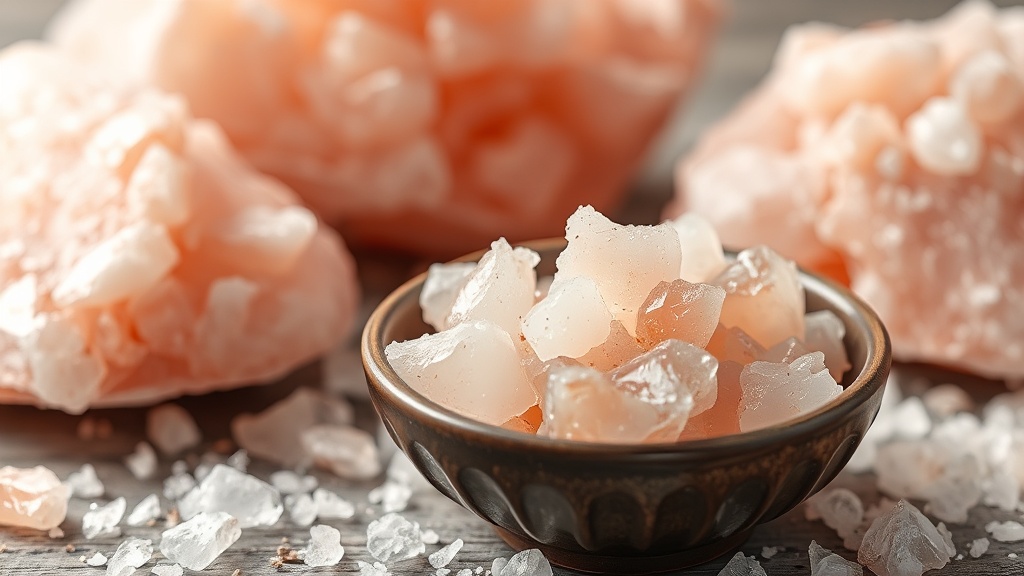
Himalayan pink salt has surged in popularity, thanks to its striking color and claims of health benefits. However, the narrative surrounding this “exotic” salt often obscures the truth. In this article, we will explore the origins, composition, and actual health implications of Himalayan salt, revealing the realities behind its marketing allure.
Key Takeaways
- Himalayan salt is primarily mined in Pakistan, not the Himalayas.
- The pink color is due to iron oxides, not magical minerals.
- The mineral content is largely insignificant for health benefits.
- Alternative salts may offer better mineral profiles without the marketing hype.
Understanding the Origin of Himalayan Pink Salt
Himalayan pink salt, often described as a rare treasure from the mountains, is actually mined from the Khewra salt mine located in Pakistan’s Salt Range. This region is known for its extensive deposits of rock salt, which have been extracted for centuries. The romanticized narrative that this salt comes from the majestic Himalayas is simply a marketing strategy that appeals to consumers seeking natural and healthful products.
The salt extracted from this mine has been repackaged and marketed under the name “Himalayan salt,” creating an illusion of exclusivity and purity. In reality, what we are purchasing is standard rock salt, dressed up with a catchy name and a vibrant color that draws in buyers.
What Gives Himalayan Salt Its Unique Color?
The alluring pink hue of Himalayan salt is commonly mistaken for a sign of its health benefits. However, this characteristic color primarily stems from the presence of iron oxides, or rust. The idea that these minerals confer magical properties is a misconception perpetuated by marketing narratives.
While it’s true that Himalayan salt contains trace amounts of minerals like potassium and magnesium, these are present in such minuscule quantities that they do not contribute significant nutritional value. The visual appeal of the pink salt is used as a tactic to denote purity and ancient energy, but scientifically, these claims lack substantial backing.
Do the Extra Minerals Offer Health Benefits?
Many consumers believe that the minerals found in Himalayan salt make it a healthier alternative to regular table salt. However, it’s important to recognize that the mineral content is almost negligible when it comes to health benefits. To gain any meaningful advantage from the minerals, one would need to consume an impractical and excessive amount of salt, which could lead to other health complications.
In essence, while the pink salt may be visually appealing, its mineral content does not translate into enhanced health benefits. For those looking to improve their nutrient intake, relying on Himalayan salt is not a viable strategy. Better sources of minerals exist in whole foods and other unrefined salts.
The Iron Overload Factor
In today’s diets, excessive iron intake is often a concern, especially for individuals with specific health conditions. Many foods are fortified with iron, and common cooking practices can also contribute to elevated levels of this mineral in our bodies. Adding Himalayan salt, which contains iron oxides, can lead to unnecessary additional intake.
This is particularly vital for those who are already managing iron overload disorders or who have inflammatory conditions. The extra iron from Himalayan salt is not a beneficial addition to most diets and should be approached with caution.
Marketing Myths: The Allure of Himalayan Salt
The rise of Himalayan salt in consumer markets can largely be attributed to savvy marketing strategies that play on consumer desires for health and wellness. The narratives surrounding ancient seabeds and the mystical properties of the pink crystals have captivated audiences, bolstered by endorsements from wellness influencers.
However, the claims surrounding detoxifying properties and energy balancing are unfounded. The reality is that Himalayan salt, like any other salt, primarily serves to enhance the flavor of food. The myriad of health claims associated with it often lack scientific evidence and should be approached with skepticism.
Choosing Alternative Salts for Health and Purity
If you are seeking salts that offer more substantial mineral content and cleaner sourcing, consider exploring alternatives such as Celtic sea salt and Redmond Real Salt. Celtic sea salt is sun-dried and naturally harvested, providing balanced trace minerals without the excess iron oxide found in Himalayan salt.
Redmond Real Salt, on the other hand, comes from ancient seabeds in the U.S. and is unrefined and lab-tested for contaminants. These alternatives can provide the benefits of mineral content without the misleading marketing surrounding Himalayan salt.
Frequently Asked Questions
- Q1: Is Himalayan salt better than regular table salt?
While Himalayan salt is often marketed as a healthier option, its nutritional benefits over regular table salt are minimal. Both types of salt primarily consist of sodium chloride, and the trace minerals found in Himalayan salt do not provide significant health advantages.
- Q2: Can I use Himalayan salt for cooking?
Yes, Himalayan salt can be used in cooking just like any other salt. It can add flavor to dishes, but the health claims associated with it should not influence your choice for cooking. It’s essential to use salt in moderation, regardless of the type.
- Q3: What are the health risks of consuming too much salt?
Excessive salt consumption can lead to various health issues, including high blood pressure, heart disease, and kidney problems. It’s crucial to maintain a balanced diet and monitor salt intake, regardless of the type of salt being consumed.
- Q4: Are there any health benefits to using sea salt?
Some types of sea salt may contain trace minerals, but these are often present in small amounts. Using unrefined sea salts can provide a slightly better mineral profile, but they should still be consumed in moderation. Overall, whole foods are a better source of essential nutrients.
- Q5: Why is Himalayan salt so popular?
The popularity of Himalayan salt can be attributed to its appealing color, exotic branding, and the marketing narrative that promotes it as a healthful product. Consumers are often drawn to the idea of using a natural, ancient product, despite the lack of scientific evidence supporting its superior health benefits.
Conclusion
In conclusion, Himalayan pink salt is not the health miracle it is often portrayed to be. Its rosy hue is derived from iron oxide rather than beneficial minerals, and its purported health advantages are largely exaggerated. While the salt can still be enjoyed for its flavor, it is essential to approach the claims surrounding it critically. For those seeking to enhance their mineral intake or ensure purity, exploring other salt options may be a more beneficial choice, as the effective role of salt in our diets remains consistent: to enhance flavor, not to provide health solutions.
The allure of Himalayan salt is compelling, yet the reality often falls short of the marketed promises.
Salt is a fundamental part of our diet, but its mystical claims should be viewed with skepticism.