Himalayan pink salt has gained immense popularity in recent years, often touted for its supposed health benefits and unique origins. However, the reality behind this trendy seasoning is far less glamorous than the marketing suggests. This article aims to uncover the truth about Himalayan salt, its origins, mineral content, and the claims surrounding its health benefits.
Key Takeaways
- Himalayan salt is primarily mined in Pakistan, not the Himalayas.
- The pink color is due to iron oxides, not mystical properties.
- Mineral content is minimal and does not provide significant health benefits.
- Marketing plays a large role in the popularity of Himalayan salt.
- Better alternatives exist for those seeking quality mineral content.
The Real Origin of Himalayan Pink Salt
Contrary to popular belief, Himalayan pink salt is not sourced from the snowy peaks of the Himalayas. It is actually mined from the Salt Range in Pakistan, with the Khewra mine being the most well-known site. This rebranding has allowed the salt to be marketed as a luxurious product, taking advantage of the allure associated with the Himalayan region.
While the picturesque imagery of Himalayan mountains may captivate consumers, the reality is that the salt is simply a type of rock salt, or halite, that has been mined and processed. The claims of an exotic origin serve primarily as a marketing strategy to justify higher prices and appeal to health-conscious consumers.
The Color Factor: Why Is Himalayan Salt Pink?
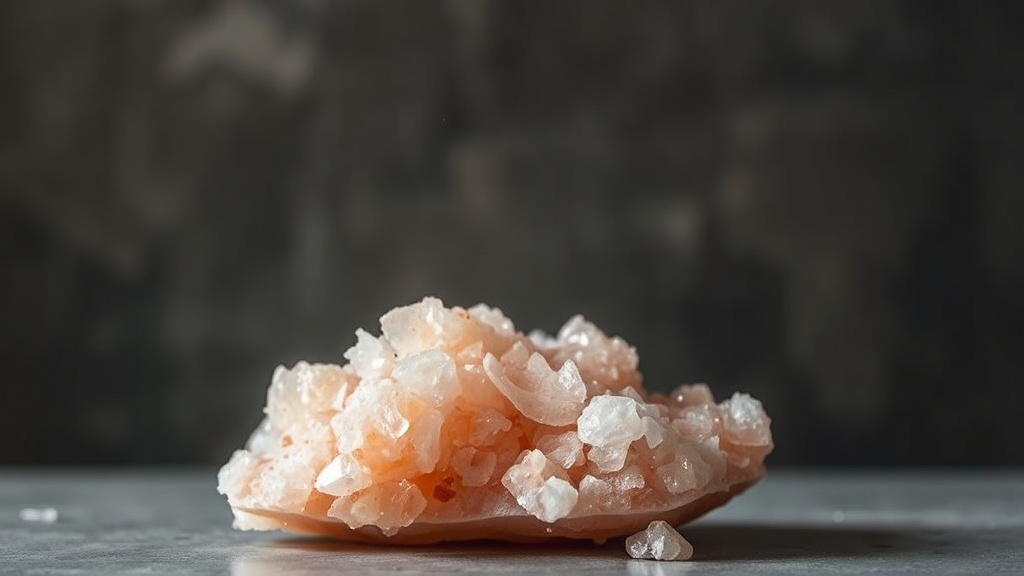
The distinctive pink hue of Himalayan salt is primarily due to iron oxides, commonly known as rust. This coloration is frequently misconstrued as evidence of superior quality or health benefits. However, the presence of trace minerals does not substantiate the extravagant claims made about this salt.
Marketers often leverage the pink color to convey a sense of purity and ancient energy, suggesting that it possesses magical properties. In reality, the pink color is simply a natural consequence of iron oxidation, with no special nutritional advantages. Consumers might be left wondering how something that looks so appealing can be so misleading.
The Nutritional Debate: Are the Minerals Beneficial?
Himalayan salt does contain trace amounts of minerals such as calcium, potassium, and magnesium. However, these quantities are so minuscule that they offer no real nutritional advantage. In fact, one would have to consume unsafe amounts of salt to experience any measurable health benefits from these minerals.
This raises an important question: Are we really gaining anything by choosing Himalayan pink salt over regular table salt? The short answer is no. The minerals found in Himalayan salt do not confer any meaningful health benefits, making it more of a culinary choice than a health supplement.
The Iron Overload Concern
In modern diets, many individuals already consume sufficient amounts of iron, particularly through fortified foods and cookware. Adding more iron through Himalayan salt can be unnecessary and even harmful, especially for those who suffer from iron overload conditions or inflammation-related disorders.
Therefore, the additional iron present in pink salt may not be a desirable feature for most people. Instead, individuals should focus on managing their iron intake through a balanced diet rather than relying on Himalayan salt as a source of this mineral.
The Marketing Phenomenon of Himalayan Salt
The rise in popularity of Himalayan salt can largely be attributed to effective marketing strategies that emphasize its “natural” and “ancient” qualities. This has led to a flurry of products, including detox lamps and ionizing salt blocks, that lack scientific support for the claims being made.
Many wellness influencers have contributed to this trend, promoting the idea that Himalayan salt can detoxify the body and balance energy levels. However, the reality is that these claims are not backed by substantial evidence, highlighting the gap between marketing narratives and scientific truth.
Alternatives to Himalayan Salt
For those looking for salt with genuine mineral content and clean sourcing, there are several alternatives to consider. Celtic sea salt, for example, is naturally harvested and sun-dried, offering a balanced array of trace minerals without the excess iron oxide found in Himalayan salt.
Another great option is Redmond Real Salt, which is mined from ancient seabeds in the United States. This unrefined salt is lab-tested for contaminants and provides a more reliable option for those seeking quality. These alternatives can provide the mineral benefits without the misleading marketing associated with Himalayan pink salt.
Frequently Asked Questions
- What makes Himalayan salt different from regular table salt?
Himalayan salt is often marketed as a healthier alternative to regular table salt due to its mineral content and distinct pink color. However, the actual nutritional benefits are minimal, as both types of salt primarily consist of sodium chloride. The marketing around Himalayan salt emphasizes its exotic origins and purported health benefits, but these claims are largely unsubstantiated.
- Can Himalayan salt detoxify the body?
No scientific evidence supports the claim that Himalayan salt detoxifies the body. The idea of detoxification through salt is a marketing concept rather than a factual assertion. The minerals present in Himalayan salt do not have any detoxifying properties, and relying on it for such effects is misguided.
- Is Himalayan salt safe to consume?
Yes, Himalayan salt is safe to consume in moderate amounts, just like any other salt. However, it is essential to remember that it does not provide significant health benefits. Individuals with certain health conditions, such as iron overload, should be cautious about their salt intake and consult a healthcare professional if necessary.
- What are the health risks of consuming too much salt?
Excessive salt consumption can lead to a variety of health issues, including high blood pressure, heart disease, and stroke. It’s crucial to monitor salt intake and opt for a balanced diet rich in fruits, vegetables, and whole grains while minimizing processed foods that often contain high levels of sodium.
- How can I choose a good quality salt?
When selecting a good quality salt, look for options that are unrefined and lab-tested for purity. Celtic sea salt and Redmond Real Salt are both excellent choices that provide trace minerals without the marketing hype associated with Himalayan salt. Always prioritize salt that is sourced ethically and transparently.
Conclusion
In conclusion, Himalayan pink salt is not the miracle food that many believe it to be. Its pink color is due to iron oxide, and it is mined from Pakistan rather than the Himalayas. The mineral content is minimal, providing no significant health advantages. While it may be appealing for its appearance and flavor, those seeking real nutritional benefits should consider other options. Ultimately, salt is salt, and the health claims surrounding Himalayan pink salt are often exaggerated.