When you reach for a bag of pre-shredded cheese, you might think you’re simply grabbing a convenient dairy product. However, the truth is that these cheese shreds are not as straightforward as they seem. Engineered for shelf stability and ease of use, pre-shredded cheese often contains additives that can be detrimental to your health. This article will explore what really goes into pre-shredded cheese, the implications for your diet, and the healthier alternatives available.
Key Takeaways
- Pre-shredded cheese contains additives that can disrupt digestion.
- Understanding the source of rennet is crucial for health-conscious consumers.
- Choosing block cheese allows for greater control over ingredients.
- Support local producers for transparency and quality.
- Being informed about food choices leads to better health outcomes.
What’s Really in Pre-Shredded Cheese?
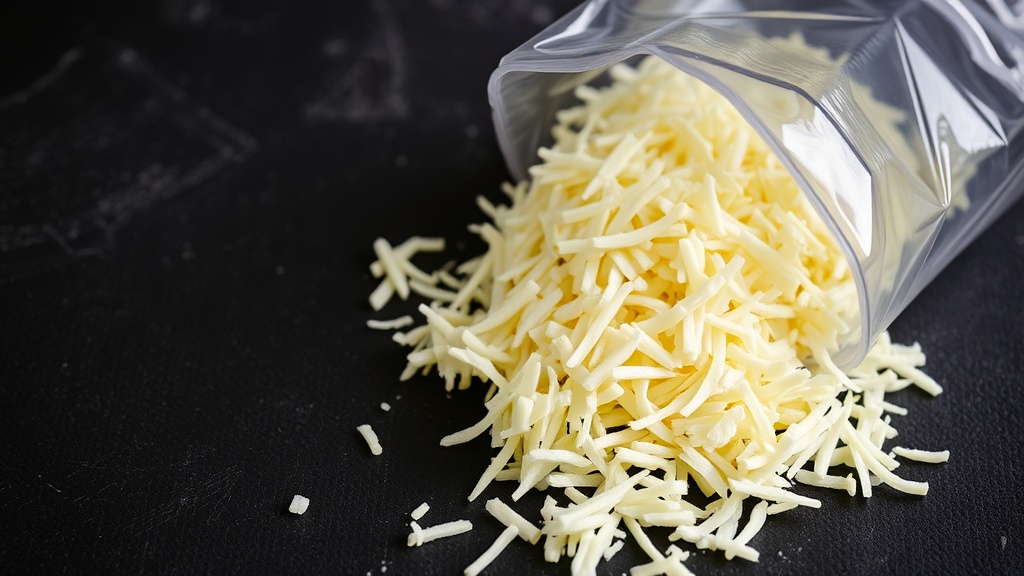
When you open a bag of pre-shredded cheese, you may notice a fine white powder dusting the shreds. This is often powdered cellulose, derived from plant fibers, typically sourced from wood or vegetables. While it serves the practical purpose of preventing clumping, powdered cellulose is not something our bodies are designed to digest. It acts merely as a filler, providing no nutritional value while altering the texture and taste of the cheese.
Many consumers are unaware that powdered cellulose can significantly change the melting properties of cheese. Instead of creating a creamy texture, it can lead to a rubbery consistency that detracts from the overall flavor experience. In essence, what you perceive as cheese is often a heavily processed product diluted with non-food ingredients.
The Issue with Rennet in Pre-Shredded Cheese
Another crucial aspect to consider when evaluating pre-shredded cheese is the source of rennet, the enzyme responsible for curdling milk into cheese. Traditionally, rennet is obtained from the stomach linings of calves, a natural and animal-based source. However, many industrial cheese products utilize fermentation-produced chymosin, which is derived from genetically modified organisms (GMOs).
This shift to lab-engineered rennet has raised concerns among health-conscious consumers. While it may be more efficient for mass production, the long-term health implications of consuming such products are still uncertain. By frequently consuming cheese made with GMO rennet, you may expose your body to substances it has not evolved to handle, which could lead to adverse effects.
The Benefits of Choosing Block Cheese
One of the best ways to ensure you’re consuming real cheese is to opt for block cheese and shred it yourself. By doing so, you can avoid the unnecessary additives found in pre-shredded varieties, such as cellulose and anti-caking agents. Shredding your own cheese allows you to enjoy a richer flavor and a more authentic texture.
Moreover, block cheese made from animal rennet offers a more natural option compared to its industrial counterparts. Aged hard cheeses, like Parmesan, aged cheddar, and Pecorino Romano, are excellent choices. These cheeses are not only nutrient-dense but also tend to be lower in lactose and free from unnecessary fillers.
Finding Quality Cheese: The Local Advantage
When seeking quality cheese, consider supporting small producers or local farms. These businesses tend to be more transparent about their ingredients and production methods. By choosing local, you can ensure you’re getting a product that aligns with your dietary preferences and health goals.
Furthermore, local cheese makers often prioritize traditional methods over industrial processes, resulting in a product that is not only better for your health but also supports the local economy. This commitment to quality and transparency is essential for consumers who value authentic and wholesome food options.
Practical Tips for Cheese Shopping
To ensure that your cheese choices are beneficial to your health, always read labels carefully. Never buy pre-shredded cheese, as you’re paying for the convenience that comes at the cost of added fillers like cellulose and starches. Instead, opt for block cheese and consider shredding it as needed.
Additionally, always verify the source of rennet in your cheese. Look for products labeled as containing “animal rennet” for a more traditional and natural option. Conversely, avoid any cheese that lists “fermentation-produced chymosin,” as this indicates lab-engineered ingredients.
Frequently Asked Questions
- What are the main additives in pre-shredded cheese?
Pre-shredded cheese often contains powdered cellulose, which is used to prevent clumping and improve shelf stability. Other common additives may include anti-caking agents and starch fillers, all of which can detract from the nutritional value of the cheese.
- Why is block cheese healthier than pre-shredded?
Block cheese is typically free from unnecessary additives and fillers. By shredding it yourself, you can enjoy a more authentic flavor and texture while avoiding ingredients that your body may struggle to digest. Additionally, block cheese is often made with traditional methods, making it a superior choice for health-conscious consumers.
- What should I look for when buying cheese?
When selecting cheese, look for products that specify the source of rennet. Choose those labeled as containing “animal rennet” for a traditional option and avoid those with “fermentation-produced chymosin.” It’s also wise to seek out local or small-scale producers for greater transparency about ingredients and production methods.
- Is all cheese made from animal rennet?
No, not all cheese is made from animal rennet. Many industrial cheeses use fermentation-produced chymosin, which is sourced from genetically modified organisms. If you’re looking for traditional cheese made with animal rennet, it’s important to read labels carefully.
- How can I incorporate more cheese into my diet healthily?
To incorporate cheese healthily, focus on consuming block cheese varieties and shredding them as needed. Pair cheese with whole foods like fruits, vegetables, and whole grains for balanced meals. Additionally, look for aged cheeses, which are often more nutrient-dense and lower in lactose, making them easier to digest.
Conclusion
In summary, pre-shredded cheese is a convenience that often masks its less appealing attributes, including additives like cellulose and the use of GMO rennet. By opting for block cheese and being mindful of the ingredients, you can enjoy a healthier diet that aligns with your body’s natural needs. Understanding the sources and methods behind your food choices empowers you to make informed decisions that benefit both your health and the environment.