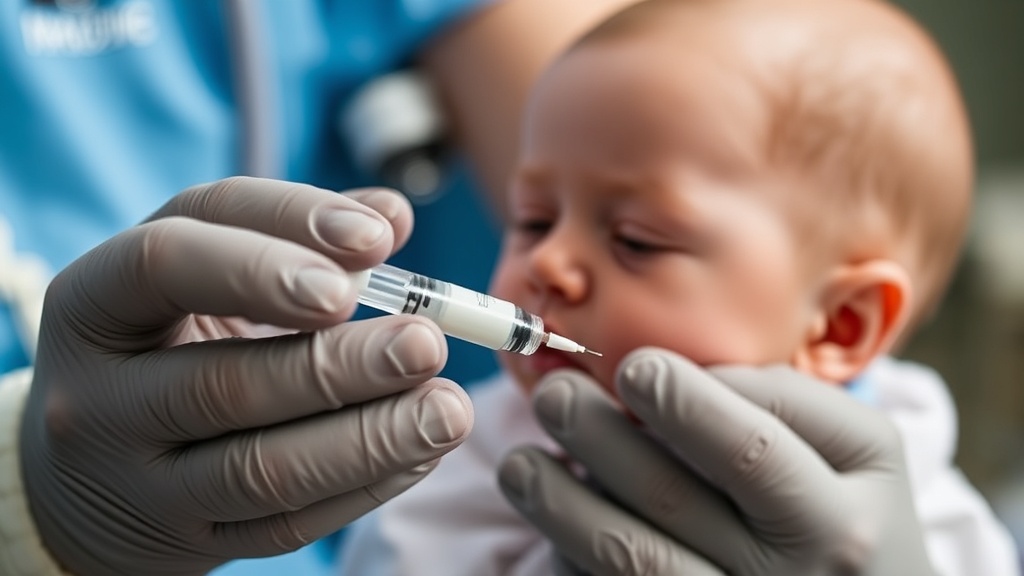
The vitamin K shot administered to newborns is a common medical practice designed to prevent potential bleeding complications. However, it comes with certain risks that parents may not be fully aware of. This article aims to provide crucial information regarding the ingredients, potential side effects, and the importance of informed consent related to this injection. By understanding the implications of the vitamin K shot, parents can make informed decisions that align with their values and preferences for their newborns.
Key Takeaways
- The vitamin K shot contains synthetic additives that may have biological effects.
- It carries a black box warning from the FDA due to rare but serious allergic reactions.
- Natural vitamin K levels are low in newborns for a reason related to their development.
- Parents should be informed about the contents of the vitamin K shot.
- There are alternative options for vitamin K supplementation.
Understanding the Vitamin K Shot
The vitamin K injection is often given to newborns shortly after birth, presented as a simple and necessary measure to prevent bleeding disorders. The active ingredient in this shot is phytonadione, a synthetic form of vitamin K₁. While vitamin K is essential for blood clotting, the shot is not merely a pure vitamin; it also contains various additives. These stabilizers and preservatives, while functional for shelf life, raise concerns among parents dedicated to providing the best for their infants.
Among the common additives found in the vitamin K shot are polysorbate 80 and propylene glycol. These ingredients serve to maintain the solution’s integrity but are not naturally occurring in the human body. Their presence may lead parents to question the overall purity of the injection and its effects on the delicate systems of newborns.
The polysorbate 80 in particular has been studied for its potential effects on cellular permeability and inflammatory responses in animal studies. Although the quantities present in the vitamin K shot are small, holistic-minded parents may feel uncomfortable with the idea of injecting any non-natural substances into their babies. This concern is especially valid considering that newborns are at a crucial stage of immune development.
Black Box Warning from the FDA
The injectable form of vitamin K carries a black box warning from the FDA, which is the most serious warning that can be issued. This warning is due to reports of rare but severe hypersensitivity reactions and anaphylactoid responses associated with its administration. It is important to note that the concern is not about vitamin K itself, but rather the formulation and method of delivery that may include these additives.
Medical professionals are advised to administer the vitamin K shot with caution and only when necessary. The warning emphasizes the importance of informed consent, reminding parents that even commonly administered injections may pose risks that warrant discussion. It is essential for parents to be aware of the potential adverse effects associated with the vitamin K shot and to feel empowered to ask questions.
This black box warning serves as a reminder that despite the benefits of preventing Vitamin K Deficiency Bleeding (VKDB), careful consideration must be given to the method of administration and potential reactions to the preservatives in the formulation.
The Role of Vitamin K in Newborns
Vitamin K plays a crucial role in blood clotting and is vital for preventing excessive bleeding. However, it is interesting to note that all newborns are born with low levels of this vitamin. This is a natural phenomenon designed by nature. At birth, a baby’s liver and digestive system are still developing, meaning they are not yet capable of processing large amounts of vitamin K effectively.
As beneficial bacteria begin to populate the gut, natural vitamin K synthesis typically starts around the eighth day of life. This gradual production aligns with the baby’s developing ability to process nutrients and establish internal balance. Conventional medicine recognizes the risk of VKDB and thus recommends the vitamin K shot to mitigate this risk, but a holistic approach encourages parents to consider the implications of introducing synthetic vitamins into such a vulnerable system.
Parents need to weigh the risks of vitamin K deficiency against the possible side effects of the vitamin K shot. The decision should be made with a comprehensive understanding of both the benefits and potential drawbacks involved.
Informed Consent and Parental Rights
Informed consent is a critical aspect of any medical intervention, including the vitamin K shot. Parents have the right to know precisely what is being administered to their children, including all ingredients and potential risks associated with the injection. It is essential for healthcare providers to provide transparent discussions about the vitamin K shot. Parents deserve clarity regarding the presence of preservatives and emulsifiers in the injection and the rationale behind the low natural vitamin K levels at birth.
Furthermore, parents should feel empowered to explore alternative options for vitamin K supplementation, such as preservative-free injections or oral regimens. Close observation combined with nutritional support may also be viable approaches to ensuring that newborns receive adequate vitamin K without unnecessary additives. This level of transparency allows parents to make decisions that align with their values and beliefs.
Ultimately, the decision to administer the vitamin K shot should be made with a thorough understanding of the implications. Parents should engage in open dialogues with healthcare providers to discuss their concerns and preferences, ensuring that their choices are respected.
Pros and Cons of the Vitamin K Shot
Pros
- Effectively prevents Vitamin K Deficiency Bleeding (VKDB).
- Quick administration can offer immediate protection against bleeding disorders.
- Supports the body’s natural clotting processes.
Cons
- Contains synthetic additives that may cause concern among parents.
- Black box warning indicates potential severe allergic reactions.
- May conflict with a holistic approach to newborn care.
Frequently Asked Questions
- What is the purpose of the vitamin K shot?
The vitamin K shot is administered to prevent Vitamin K Deficiency Bleeding (VKDB), a rare but serious condition that can occur in newborns. This injection helps ensure that the baby’s blood can clot properly, reducing the risk of internal bleeding. While the shot is effective in preventing VKDB, it is important to understand the risks involved and the rationale behind its administration.
- Are there alternatives to the vitamin K shot?
Yes, there are alternatives to the vitamin K shot. Some parents may choose oral vitamin K supplementation as a means to provide this essential nutrient without the use of preservatives and additives found in the injection. Additionally, close monitoring of the baby’s health combined with nutritional support may also help ensure they receive adequate vitamin K as they develop naturally.
- Why are newborns born with low vitamin K levels?
Newborns are born with low levels of vitamin K as a natural design of the human body. At birth, their digestive systems are still maturing, and their livers are not yet fully capable of processing high amounts of vitamin K. This ensures that the body can adapt gradually, as natural vitamin K synthesis begins around the eighth day of life when beneficial bacteria start colonizing the gut.
- What should parents consider before administering the vitamin K shot?
Parents should consider the potential risks associated with the vitamin K shot, including the presence of synthetic additives and the FDA black box warning related to allergic reactions. It is crucial for parents to have open discussions with healthcare providers about their concerns and to understand all available options for vitamin K supplementation before making a decision.
- Can the vitamin K shot cause allergies?
While allergic reactions to the vitamin K shot are rare, they are a significant concern that has led to the FDA’s black box warning. Parents should be aware that the formulation, including additives like polysorbate 80, could trigger hypersensitivity in some individuals. It is essential to consult with healthcare providers to discuss any previous allergic reactions and to weigh the risks and benefits of the shot.
Conclusion
The vitamin K shot is a widely accepted intervention aimed at preventing potentially serious bleeding disorders in newborns. However, it raises important questions about the additives it contains, the implications of its black box warning, and the need for informed parental consent. Parents should be provided with comprehensive information to make the best choices for their children, whether that involves the vitamin K shot, alternative supplementation, or careful monitoring. By prioritizing transparency and informed decision-making, parents can align their choices with their values, ensuring the best possible start for their newborns.