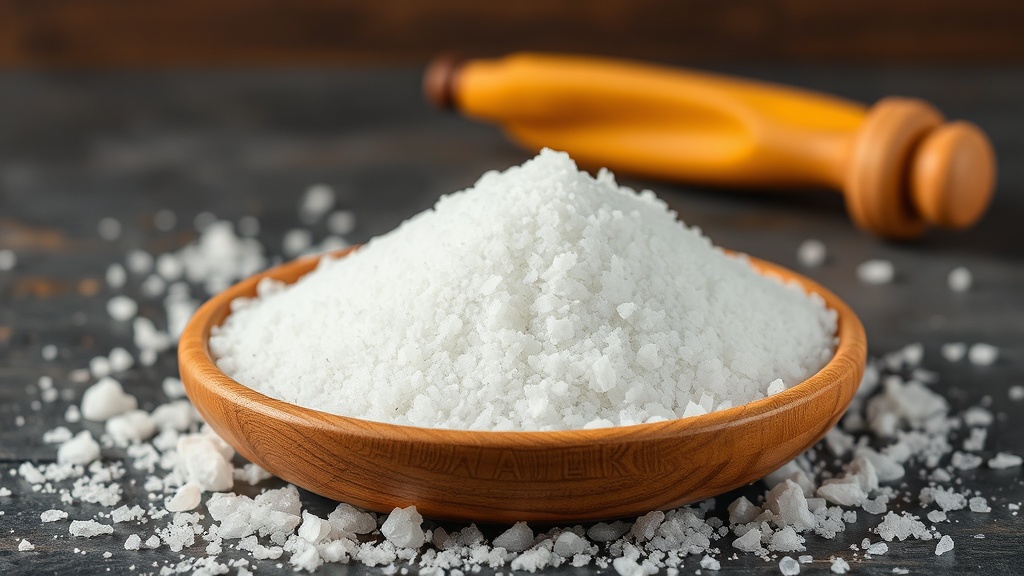
In an age of health consciousness, the role of salt in our diet has come under scrutiny. Many people are unaware that the common table salt they use is often heavily processed and treated with harmful chemicals. This article explores the effects of bleach-treated salt on our health and why opting for natural, unrefined salt is a better choice.
Key Takeaways
- Refined table salt is often bleached and stripped of beneficial minerals.
- Natural salt contains essential trace minerals that support various bodily functions.
- Choosing unrefined salt can improve health and well-being.
The Misconception About Salt
For many years, salt has been demonized, often linked to hypertension and heart disease. However, studies challenge this narrative. A meta-analysis involving over 6,250 patients revealed no significant correlation between salt intake and increased risks of high blood pressure or heart disease. This misconception has led to unnecessary dietary restrictions for many individuals.
Salt is not merely an additive; it’s an essential nutrient that our bodies require for various functions. Sodium plays a crucial role in nerve and muscle function and is vital for maintaining the body’s water balance. Without adequate salt, individuals may face health issues, including heart problems and elevated lipid levels in the bloodstream.
The Process of Salt Refinement
Historically, salt has been a staple in food preservation long before the advent of modern refrigeration. However, the salt we commonly consume today is not the same as what our ancestors used. Most table salts, like Morton’s, undergo extensive processing that includes bleaching and heating at high temperatures. This process alters the chemical structure of sodium chloride, rendering it less beneficial for our health.
During this extensive refinement, essential minerals are stripped away, leaving behind a product that consists of 97.5% sodium chloride and 2.5% harmful additives, including fluoride and aluminum hydroxide. Such heavy processing transforms salt into a substance that could be detrimental to our health and should ideally be eliminated from our diets.
The Dangers of Table Salt
Table salt is prevalent in restaurants and grocery stores, making it a common ingredient in many households. Unfortunately, its heavy processing results in a toxic end product that could compromise health. Consuming this type of salt regularly can lead to various health issues, including hypertension, fluid retention, and potential cardiovascular problems.
Moreover, the additives introduced during processing can pose additional health risks. For example, fluoride, while added to combat dental issues, can be harmful when consumed in excess. The implications of using bleached, refined salt in daily cooking are significant and warrant reconsideration of our dietary choices.
The Benefits of Unrefined Sea Salt
In contrast to refined salt, unprocessed sea salt is harvested directly from ocean water. This natural salt undergoes minimal processing, allowing it to retain essential trace minerals that contribute to various health benefits. These minerals include magnesium, calcium, and potassium, all of which play critical roles in bodily functions.
Unrefined sea salt helps regulate water content in the body, replenish electrolytes, and even assist in regulating blood pressure. Additionally, it prevents muscle cramps, strengthens bones, and promotes better sleep quality. By opting for unrefined salt, individuals can enjoy not only enhanced flavor but also improved overall health.
What to Look for When Choosing Salt
When selecting salt for your kitchen, it’s important to look for unrefined options. Sea salt or Himalayan pink salt are excellent choices that maintain their mineral content and do not contain harmful additives. These salts can enhance the flavor of your dishes while providing additional health benefits.
Reading labels is crucial. Avoid salts that list additives or processing methods that involve bleaching. Instead, choose salts that are labeled as “unrefined” or “natural” to ensure you are getting a product that is beneficial to your health.
Frequently Asked Questions
- Q1: What is the difference between table salt and sea salt?
Table salt is heavily processed and often contains additives, while sea salt is harvested from evaporated seawater and retains natural minerals. The processing of table salt involves bleaching and high heat, which strips away beneficial components, making sea salt the healthier option.
- Q2: Can consuming too much salt be harmful?
Yes, excessive salt intake can lead to health issues like hypertension and cardiovascular disease. However, it’s crucial to differentiate between refined table salt and natural unrefined salt, which contains essential minerals that can actually support health when consumed in moderation.
- Q3: Is all sea salt unrefined?
No, not all sea salts are unrefined. It’s important to check the label for terms like “unrefined” or “natural” to ensure that the salt retains its minerals and does not contain harmful additives. Some brands may still process their sea salt, diminishing its health benefits.
- Q4: How can I incorporate unrefined salt into my diet?
You can easily replace regular table salt with unrefined sea salt in your cooking. Use it to season meats, vegetables, and soups. Additionally, consider using it as a finishing salt on dishes to enhance flavor while gaining the benefits of the minerals.
- Q5: What are some alternatives to table salt?
Alternatives to table salt include sea salt, Himalayan pink salt, and other mineral-rich salts. These options provide similar flavor enhancements while offering various health benefits due to their mineral content. Always opt for unprocessed varieties to maximize health benefits.
Conclusion
Understanding the differences between refined table salt and unrefined sea salt is vital for making informed dietary choices. By avoiding bleached salt and opting for natural alternatives, you can significantly improve your health and well-being. The benefits of unrefined salt extend beyond mere flavor enhancement; they play essential roles in bodily functions. Make the switch today for a healthier lifestyle.