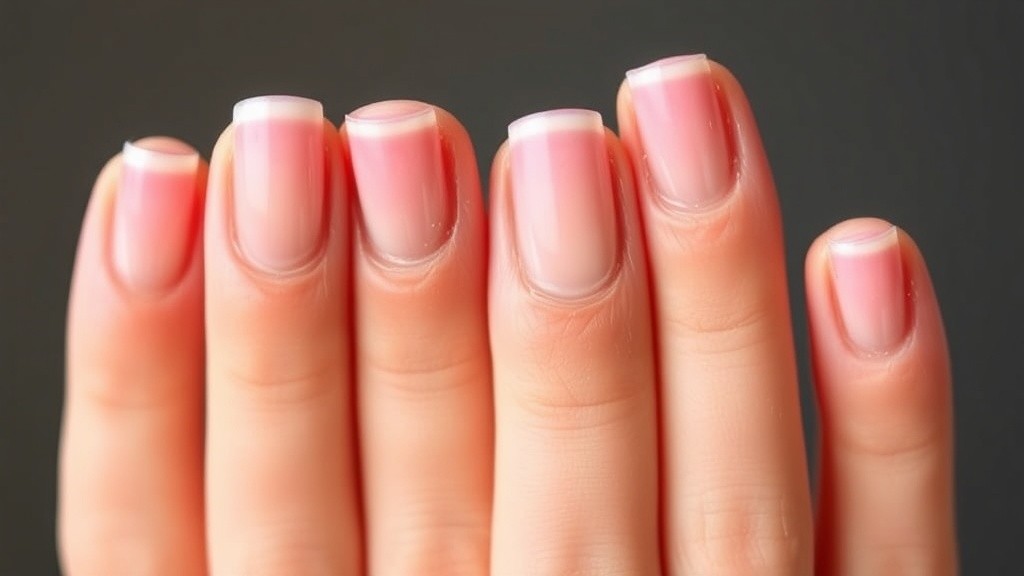
Your nails can tell you more about your health than you might realize. These hard protective coverings not only enhance our appearance but also serve as indicators of our internal health. Whether they are strong and smooth or brittle and discolored, the state of your nails can reflect nutritional deficiencies or underlying health issues. Understanding these signs can empower you to make informed choices about your health and wellness.
Key Takeaways
- Healthy nails are typically pink and strong, indicating good circulation.
- Nutritional deficiencies can manifest in various nail conditions.
- Changes in nail appearance may signal underlying health problems.
- A balanced diet rich in vitamins and minerals is essential for nail health.
- Wheatgrass can be a powerful supplement for improving overall health.
Understanding Nail Health
The appearance of your nails can provide significant insights into your overall health. Healthy nails should generally be pink, which signifies a normal blood supply and strong circulation. Nail abnormalities such as chipping, peeling, or cracking can be indicative of nutritional deficiencies or other health issues that require attention.
For example, nails that are dry and brittle may signal a lack of essential vitamins like vitamin A and minerals such as calcium. Conversely, nails that are soft and have ridges could suggest deficiencies in calcium, magnesium, or B vitamins. Recognizing these signs early can help address potential health concerns before they escalate.
Nutritional Deficiencies and Nail Conditions
Nutritional deficiencies often reflect in the condition of your nails. Here are some common signs:
- Hangnails and white bands across nails may point to low levels of protein, vitamin C, or folic acid.
- Dry, brittle nails indicate insufficient vitamin A and calcium.
- Concave nails, often accompanied by vertical ridges, may suggest an iron deficiency.
- White spots can be a sign of zinc deficiency.
- Fungal infections may arise from an imbalance of good bacteria in the body.
By understanding these connections, individuals can tailor their diets to improve their nail health and, by extension, enhance their overall well-being.
Health Problems Reflected in Nails
Nail changes can also signal various health problems beyond nutritional deficiencies. For instance, digital clubbing, characterized by enlarged fingertips and downward-curving nails, often indicates chronic health issues such as lung or heart disorders. This condition arises from prolonged low oxygen levels in the blood and is linked to serious conditions such as lung cancer and congenital heart disease.
Bumps on the nail surface can indicate rheumatoid arthritis, while detached nails may suggest thyroid disorders. Horizontal ridges can reflect infections, whereas thickened toenails often point to a fungal infection. Awareness of these signs can lead to early detection and treatment of potentially serious health conditions.
Promoting Nail Health Through Diet
To maintain healthy nails, it’s crucial to incorporate a diet rich in fruits and vegetables, as these foods provide essential vitamins, minerals, and enzymes. A balanced diet not only benefits your nails but also supports overall health.
One particularly beneficial supplement is wheatgrass. Known for its healing properties, wheatgrass contains over 90 minerals, all 17 amino acids, and a wide array of vitamins, including A, C, E, K, and B-complex. Consuming just two ounces of wheatgrass is equivalent to eating four pounds of green vegetables, making it an efficient way to boost your nutrient intake.
Pros and Cons of Monitoring Nail Health
Monitoring the health of your nails can have both advantages and disadvantages. Understanding these can help you approach nail care more effectively.
Pros
- Early detection of health issues can lead to timely treatment.
- Improved dietary choices can enhance overall well-being.
- Increased awareness can motivate individuals to prioritize health.
Cons
- Overemphasis on nail appearance may lead to unnecessary anxiety.
- Misinterpretation of nail conditions can cause undue alarm.
- Not all nail changes indicate serious health problems.
Frequently Asked Questions
- Can nail changes indicate serious health issues?
Yes, changes in your nails can reflect serious health issues. For instance, digital clubbing is associated with lung and heart disorders, while detached nails can indicate thyroid problems. It’s essential to monitor your nail health and consult a healthcare professional if you notice significant changes.
- What nutrients are essential for healthy nails?
A variety of nutrients contribute to nail health, including proteins, vitamins A, C, and E, as well as minerals like calcium, zinc, and iron. A deficiency in any of these can lead to nail problems. Consuming a balanced diet rich in fruits, vegetables, and whole grains can help ensure you receive these essential nutrients.
- How can I improve my nail health?
Improving nail health involves a combination of good nutrition, proper hydration, and regular care. Eating a balanced diet, staying hydrated, and avoiding harsh chemicals can significantly enhance nail strength and appearance. Additionally, consider taking supplements like wheatgrass to provide a concentrated dose of nutrients that promote nail health.
- What are some common nail conditions to watch for?
Common nail conditions include brittleness, discoloration, ridges, and fungal infections. Each of these can indicate different underlying health issues or nutritional deficiencies. Regularly inspecting your nails and being aware of changes can help you take proactive steps in maintaining nail health.
- Is it necessary to see a doctor for nail problems?
If you notice persistent changes in your nails that concern you, it’s advisable to consult a healthcare professional. While many nail conditions can be treated with dietary changes or topical treatments, some may require medical intervention, especially if they are indicative of more serious health issues.
Conclusion
Your nails serve as a vital indicator of your overall health. By paying attention to their condition, you can gain valuable insights into your nutritional status and potential health problems. Maintaining a healthy diet rich in essential vitamins and minerals, along with being aware of any changes in your nails, can help you take proactive steps toward better health. Remember, your nails are not just for aesthetics; they are a window into your body’s internal workings.