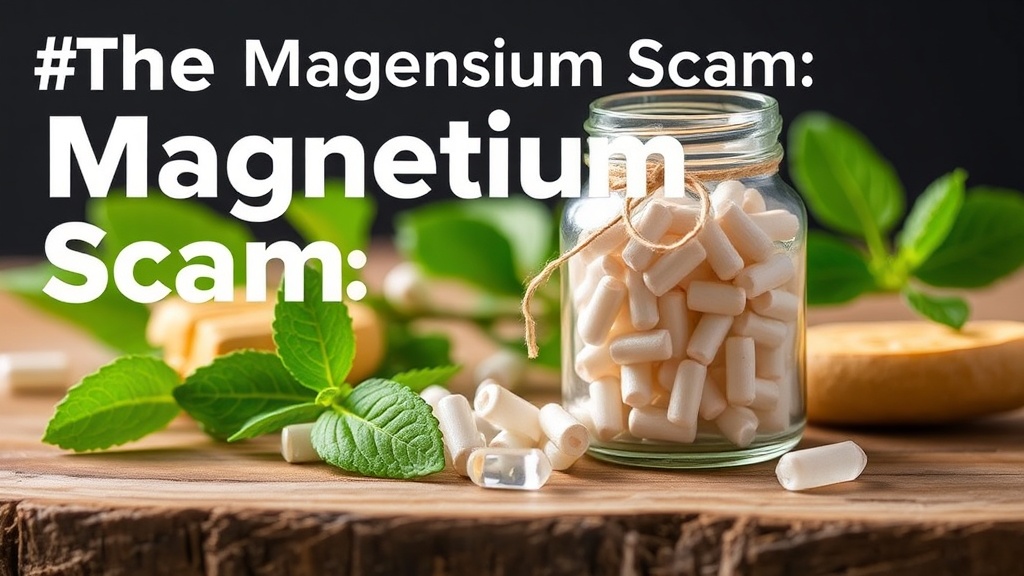
Magnesium has long been heralded as a vital mineral, essential for numerous bodily functions. Yet, as the popularity of magnesium supplements surges, so do concerns about their authenticity and safety. This article dissects the types of magnesium supplements on the market, shedding light on their origins and potential downsides while highlighting the benefits of a truly natural option.
Key Takeaways
- Many magnesium supplements on the market are synthetic or chemically processed.
- Common forms of magnesium supplements can pose health risks over time.
- Zechstein magnesium chloride is the most natural and bioavailable source of magnesium.
The Misleading Nature of “Natural” Magnesium
The term “natural” is frequently employed in the supplement industry to evoke feelings of safety and wholesomeness. However, this label can be misleading. Many magnesium supplements marketed as “natural” may actually be produced through synthetic or industrial processes.
This discrepancy raises concerns about the true nature of what consumers are putting into their bodies. For instance, magnesium glycinate, often praised for its gentle effects on the stomach, is typically derived from genetically modified corn. Despite the amino acid glycine’s presence, the base material is far from being in its natural form.
Similarly, magnesium malate, commonly marketed for energy support, is synthesized in a lab and is largely derived from petrochemicals. This raises questions about its long-term purity and potential chemical residues, which can lead to health complications over time.
Analyzing Common Forms of Magnesium Supplements
Among the various types of magnesium supplements, magnesium citrate is notable for its laxative effects. This form is often derived from GMO corn and while it may help with bowel regularity, it lacks the natural essence that the body would typically encounter in whole foods or unprocessed mineral sources.
Another widely discussed form is magnesium threonate, which is marketed for cognitive health. Although it has been designed to cross the blood-brain barrier more efficiently, it remains a lab-created byproduct that deviates significantly from naturally occurring magnesium.
These forms, while popular, often compromise on purity and natural sourcing. Over time, reliance on synthetic options can lead to issues such as digestive discomfort and suboptimal absorption rates.
The Importance of Bioavailability
Bioavailability refers to the extent and rate at which the active ingredient or active moiety is absorbed and becomes available at the site of action. When it comes to magnesium supplements, the source significantly impacts bioavailability. Many synthetic forms of magnesium are less bioavailable, meaning the body may not effectively utilize them.
Over time, less bioavailable supplements may require higher doses, leading to potential gastrointestinal stress and discomfort. This can result in symptoms such as diarrhea or bloating, which can further deter individuals from achieving their health goals.
Additionally, the accumulation of chemical residues from industrial processing can pose long-term health risks. Even trace amounts of these residues can have adverse effects when consumed regularly, making the choice of magnesium supplement critical for overall well-being.
Introducing Zechstein Magnesium Chloride
If you are committed to enhancing your magnesium intake with a truly natural product, Zechstein magnesium chloride stands out as the optimal choice. Extracted from ancient seabeds in Europe, this form of magnesium has remained untouched by modern industrial processes.
What sets Zechstein magnesium apart is its purity and high bioavailability. It allows for efficient absorption without the need for chemical processing, offering a clean source of magnesium that aligns closely with what the body requires for optimal function.
In addition, Zechstein magnesium is free from GMOs and petrochemicals, making it a safe and effective alternative to more commonly used forms. Used in high-quality topical oils, flakes, and supplements, it provides a versatile solution for those seeking the benefits of magnesium without the drawbacks associated with synthetic options.
Pros and Cons of Magnesium Supplements
When considering magnesium supplements, it’s crucial to weigh both the advantages and disadvantages of various forms.
Pros
- Supports numerous biochemical reactions in the body.
- Can improve sleep quality and reduce anxiety.
- Essential for heart health and muscle function.
- Zechstein magnesium offers a natural and effective option.
Cons
- Many forms are synthetic and may cause digestive issues.
- Lower bioavailability in some supplements can lead to ineffective dosing.
- Potential for chemical residues in industrially processed forms.
Frequently Asked Questions
- Q1: What is the best form of magnesium supplement?
The best form of magnesium supplement is Zechstein magnesium chloride, which is derived from ancient seabeds and offers high bioavailability without synthetic additives. It is a natural option that is gentle on the digestive system and provides essential benefits without the risks associated with more processed forms.
- Q2: How can I tell if my magnesium supplement is natural?
To determine if your magnesium supplement is natural, check the label for sourcing and processing information. Look for terms like “Zechstein” or “naturally sourced” and avoid products that list synthetic or petrochemical-derived ingredients. Genuine natural supplements should have a transparent ingredient list and minimal processing claims.
- Q3: What are the side effects of synthetic magnesium supplements?
Synthetic magnesium supplements can lead to several side effects, including digestive discomfort, diarrhea, and bloating. These issues arise due to the body’s difficulty in absorbing synthetic forms, which may not be as bioavailable as natural options. Over time, these side effects can discourage consistent use and affect overall health.
- Q4: How does magnesium support sleep and anxiety?
Magnesium plays a crucial role in regulating neurotransmitters that promote relaxation and sleep. It helps to manage the body’s stress response, which can alleviate feelings of anxiety. By supporting a balanced nervous system, magnesium aids in enhancing sleep quality and reducing anxiety levels, making it an essential mineral for mental well-being.
- Q5: Can I get enough magnesium from food alone?
While it is possible to obtain sufficient magnesium from a well-rounded diet rich in leafy greens, nuts, seeds, and whole grains, many people do not meet their daily magnesium requirements through food alone. Supplementation may be necessary for those with dietary restrictions or increased magnesium needs, making it important to choose a high-quality supplement.
Conclusion
Understanding the complexities of magnesium supplements is essential for making informed choices about your health. Many products on the market are synthetic or chemically processed, which can lead to inefficiencies and potential health risks. By opting for Zechstein magnesium chloride, you can ensure that you are getting a natural, effective source of this vital mineral. In a world where marketing claims can often mislead, prioritizing purity and bioavailability is key to achieving optimal health through magnesium supplementation.