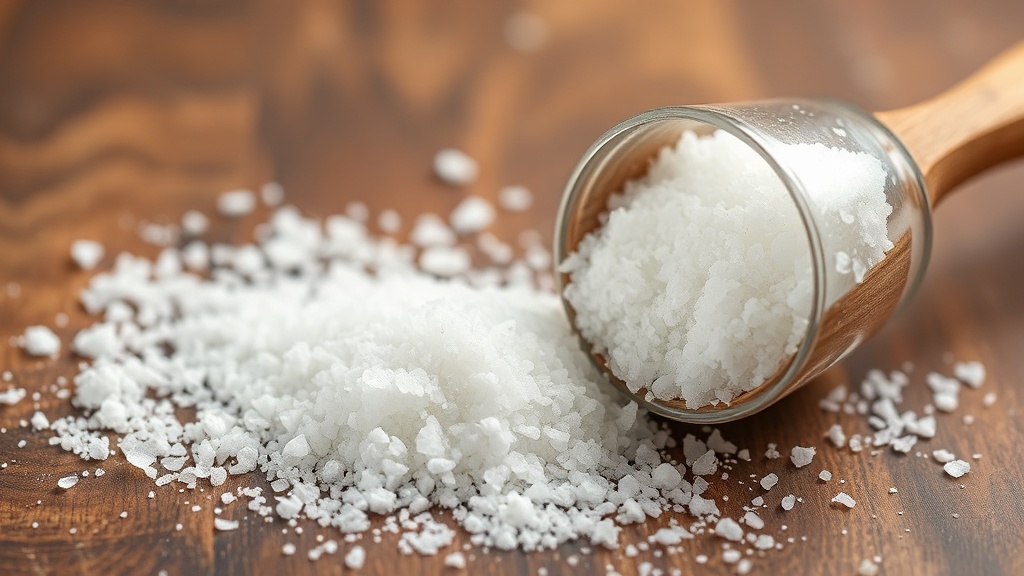
For many years, salt has been demonized in the health community, often linked to hypertension and heart disease. However, recent studies reveal a different story, showing that salt is essential for human health and plays a critical role in various bodily functions. This article explores the differences between refined and unrefined salt, the implications of consuming heavily processed salt, and the importance of maintaining mineral balance in our diets.
Key Takeaways
- Not all salt is created equal; refined salt undergoes heavy processing.
- Unrefined salt retains essential minerals that benefit health.
- Processed salt may contain harmful additives and lacks nutritional value.
- Incorporating unprocessed sea salt can enhance overall well-being.
- Understanding the sources and types of salt is crucial for informed dietary choices.
The Misconceptions Surrounding Salt
Historically, salt has been vilified largely due to its association with high blood pressure and cardiovascular disease. A comprehensive meta-analysis involving over 6,250 subjects has shown no direct correlation between salt intake and these health issues. This revelation highlights the necessity of salt, which our bodies cannot produce independently, to ensure proper nerve and muscle function and maintain fluid balance.
Salt is a crucial electrolyte that aids in the absorption of nutrients across cell membranes. Insufficient salt intake can lead to serious health problems, including elevated blood lipids and cardiovascular complications. Therefore, understanding the role of salt in our diets is vital for both health and performance.
The Impact of Processing on Table Salt
Today, the majority of salt consumed is refined, often found in common table salt brands. This type of salt undergoes extensive processing involving high temperatures and bleaching, which alters its chemical structure and strips away beneficial minerals. The end product is primarily sodium chloride mixed with harmful additives that can be detrimental to health.
During the refining process, toxic substances such as aluminum hydroxide, fluoride, and iodine may be introduced. The result is a product that is approximately 97.5% sodium chloride and 2.5% potentially harmful additives. This heavy processing raises significant concerns regarding the health implications of consuming such salt regularly.
The Benefits of Unrefined Sea Salt
Unlike its refined counterpart, unrefined sea salt is harvested from ocean water through evaporation, preserving essential minerals and trace elements. These minerals include magnesium, potassium, and calcium, which are vital for various bodily functions. The combination of sodium and these minerals allows the body to utilize salt more effectively.
Unrefined sea salt offers numerous health benefits, including the regulation of hydration levels, electrolyte replenishment, and support for muscle function. It can also help prevent muscle cramps and promote better sleep and vascular health. By incorporating unprocessed sea salt into your diet, you can enhance your overall health while enjoying the natural flavors it brings to food.
How to Choose the Right Salt
When selecting salt for your diet, it is essential to opt for unrefined varieties that are minimally processed and free from harmful additives. Look for labels that specify “sea salt” or “Himalayan salt,” which are often rich in minerals and provide a more natural alternative to table salt.
Additionally, consider the sources of your salt. Different salts possess unique mineral profiles depending on their origin. For instance, Himalayan salt is known for its pink hue, which indicates the presence of various trace minerals. Sea salt varies in flavor and texture, offering a range of culinary possibilities while contributing beneficial nutrients.
Incorporating Salt into Your Diet
As you transition to using unrefined salt, it is essential to consider how you incorporate it into your meals. Begin by replacing table salt with sea salt in your cooking and at the table. Experiment with different types of unrefined salt to discover which flavors complement your dishes best.
Moreover, be mindful of your overall sodium intake. While salt is necessary for health, moderation is key. Aim to use salt as a flavor enhancer rather than the primary seasoning, allowing the natural flavors of your ingredients to shine through. This approach ensures that you reap the benefits of salt while maintaining a balanced diet.
Frequently Asked Questions
- Q1: Why is refined salt harmful to health?
Refined salt undergoes extensive processing that strips away natural minerals, leaving behind a product primarily composed of sodium chloride. This processing can introduce harmful additives, such as aluminum hydroxide and fluoride, which pose potential health risks. Regular consumption of refined salt can lead to nutrient deficiencies and other health complications.
- Q2: What are the benefits of unrefined sea salt?
Unrefined sea salt retains essential minerals and trace elements that are beneficial for health. It helps regulate hydration levels, replenishes electrolytes, aids in muscle function, and supports various bodily processes. The presence of these minerals allows the body to better utilize sodium, making unrefined sea salt a healthier choice for seasoning and cooking.
- Q3: How can I tell if the salt I’m buying is unrefined?
To ensure you are purchasing unrefined salt, look for labels that specify “sea salt,” “Himalayan salt,” or “kosher salt.” These varieties are often less processed and retain their mineral content. Reading ingredient lists can also help you identify any unwanted additives that may signal a refined product.
- Q4: Is there a recommended daily intake of salt?
While the recommended daily intake of sodium varies depending on individual health needs, general guidelines suggest limiting sodium intake to less than 2,300 mg per day for healthy adults. It’s essential to pay attention to your body’s responses to salt and adjust your intake according to your dietary requirements.
- Q5: Can I use unrefined salt in all my cooking?
Yes, unrefined salt can be used in a variety of cooking methods, including baking, grilling, and seasoning. Its unique mineral profile can enhance the flavors of your dishes, making it a versatile ingredient. Just remember to taste and adjust the amount according to your preferences and the specific recipe you are following.
Conclusion
Understanding the differences between refined and unrefined salt is crucial for making informed dietary choices. While salt is often unfairly blamed for health issues, its essential role in the body cannot be overlooked. By opting for unrefined sea salt, you can enjoy the numerous health benefits it offers while avoiding the harmful effects of processed salt. As you make these changes, remember to maintain a balanced diet and listen to your body’s needs to achieve optimal health.