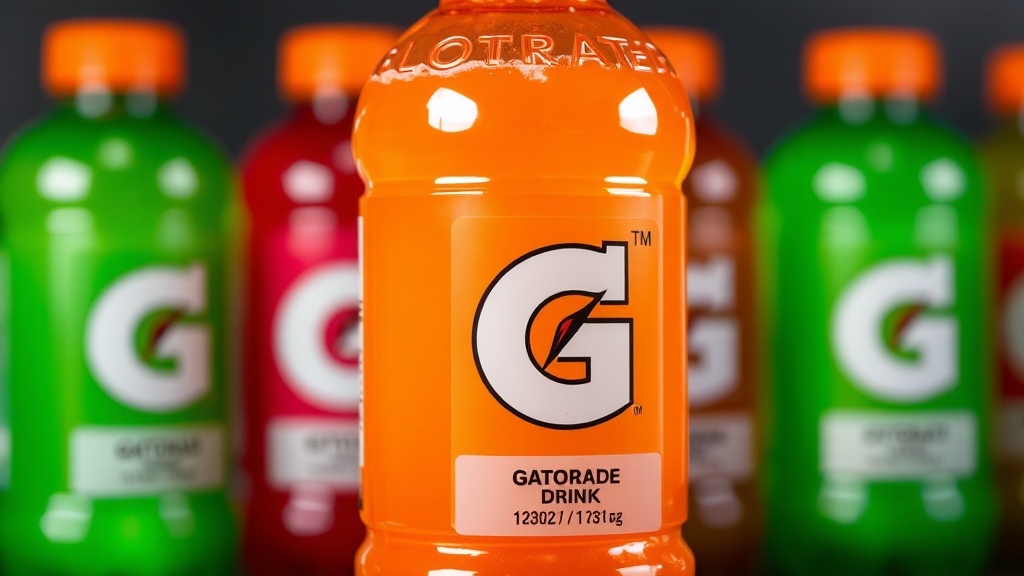
Gatorade has been a staple for athletes and fitness enthusiasts for decades. Marketed as an essential tool for hydration and recovery, many rely on it to replenish lost electrolytes during rigorous activities. However, a closer examination of its ingredients reveals a different story, one that raises important questions about its health implications. This article aims to uncover the truth behind Gatorade’s composition and explore a healthier, natural alternative.
Key Takeaways
- Gatorade contains high sugar levels that can lead to health issues.
- Synthetic dyes and artificial sweeteners pose potential health risks.
- Natural alternatives offer a healthier hydration option without harmful additives.
The Hidden Dangers of Gatorade
While Gatorade is often perceived as a healthy choice, its high sugar content is a significant concern. Many formulations contain over 30 grams of sugar per serving. This excessive sugar not only contributes to a quick energy boost but also leads to blood sugar spikes that can result in crashes, making it less effective as a recovery drink. For athletes, especially those training hard, this can be detrimental in the long run.
Moreover, the high glycemic index of Gatorade can have adverse effects on metabolism. Frequent consumption may lead to increased cravings and overeating, undermining the very benefits athletes seek from using the drink. The sugar-laden nature of Gatorade raises alarms about its long-term health consequences, particularly for young athletes who may consume it more frequently.
The Role of Artificial Colors
Gatorade is not just about sugar; it also contains synthetic dyes like Red 40, Yellow 6, and Blue 5. These additives give Gatorade its vibrant colors but come with potential health risks. Red 40 has been linked to allergic reactions and hyperactivity in children, prompting concern from health experts. Despite regulatory agencies deeming it safe within certain limits, ongoing exposure from various sources may lead to cumulative effects that affect health over time.
Similarly, Yellow 6 and Blue 5 have been scrutinized for their potential to cause allergic responses, particularly in sensitive individuals. The consumption of these dyes raises questions about the long-term impact of artificial colorings on health, especially when consumed regularly in beverages marketed to young athletes. The reality is that these synthetic dyes may have consequences that are not yet fully understood.
Concerns Surrounding Artificial Sweeteners
Another ingredient of concern in some Gatorade variations is sucralose, an artificial sweetener prevalent in many low-calorie products. Research indicates that sucralose can disrupt gut microbiota and may interfere with the body’s metabolic processes. Some studies have even suggested a link between sucralose and cancer, raising red flags about its safety as a staple in sports drinks.
The combination of these artificial additives — from synthetic dyes to sweeteners — can create a toxicological effect that is not fully understood. For young athletes consuming these drinks regularly, this poses a significant risk, as their developing bodies may react differently to these substances compared to adults. The potential for health complications, including long-term metabolic issues, is a growing concern.
A Natural Alternative to Gatorade
Fortunately, there is a simple and healthy alternative to Gatorade that provides hydration without the harmful additives. A homemade sports drink can be crafted with natural ingredients that replenish electrolytes and nourish the body. The base for this drink is coconut water, known for its natural electrolyte content, making it an excellent choice for hydration.
To enhance the flavor and add a boost of vitamin C, fresh lemon juice can be squeezed into the mix. A pinch of pure sea or Himalayan salt helps maintain electrolyte balance, ensuring the drink is effective in rehydrating after strenuous activities. Finally, mineral water can be added to complete this wholesome beverage, providing a clean and refreshing alternative to commercial sports drinks.
Pros and Cons of Gatorade
Pros
- Convenient and widely available.
- Effective for quick hydration and energy replenishment during intense activities.
- Contains electrolytes that aid in recovery.
Cons
- High sugar content can lead to health issues.
- Contains artificial colors and additives with uncertain long-term effects.
- May contribute to metabolic problems, especially in children.
Frequently Asked Questions
- What are the main ingredients in Gatorade?
Gatorade primarily consists of water, sugar, electrolytes (like sodium and potassium), artificial colors, and flavorings. The specific formulation can vary depending on the type or flavor of the drink. However, the common theme is the presence of high sugar levels and synthetic additives.
- Is it safe for children to drink Gatorade?
While Gatorade can provide hydration during intense physical activity, its high sugar and artificial ingredients raise concerns. Children are particularly susceptible to the effects of sugar and artificial additives, which could lead to behavioral issues or health concerns. It’s advisable to limit their consumption and consider healthier alternatives.
- What are the health benefits of coconut water?
Coconut water is a natural source of electrolytes, making it an excellent hydration option after exercise. It is low in calories and contains important nutrients like potassium, magnesium, and calcium. Additionally, coconut water is free from added sugars and artificial colors, making it a healthier choice for replenishing fluids.
- Can homemade sports drinks be as effective as Gatorade?
Yes, homemade sports drinks can be just as effective, if not more so, than Gatorade. By using natural ingredients like coconut water, fresh citrus juice, and sea salt, these drinks can provide essential electrolytes without the harmful additives found in commercial options. This makes them a safer choice for hydration during and after exercise.
- How can I make a natural sports drink?
Creating a natural sports drink is simple. Start with one cup of coconut water, add the juice of half a lemon, and mix in a pinch of sea salt. You can also add mineral water to taste. This blend not only hydrates effectively but also provides essential nutrients without the risks associated with artificial ingredients.
Conclusion
While Gatorade has established itself as a popular choice among athletes, its hidden dangers cannot be overlooked. The high sugar content, artificial colors, and sweeteners raise significant health concerns, especially for young and active individuals. Opting for a natural alternative can provide the necessary hydration and electrolyte replenishment without the associated risks. By choosing wholesome ingredients, individuals can take charge of their health and make informed decisions about their hydration needs.