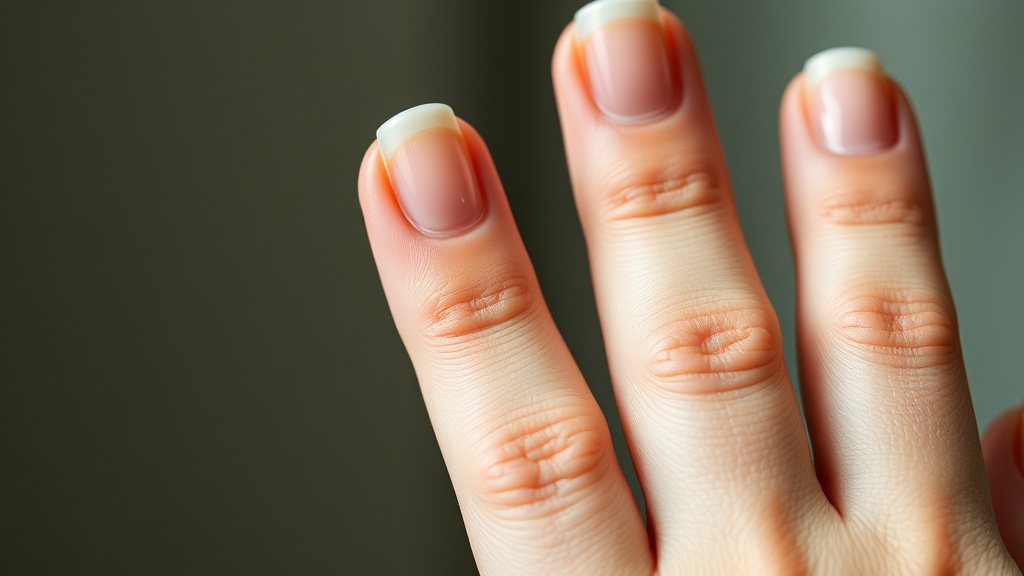
Your nails are more than just a cosmetic feature; they serve as indicators of your overall health. Changes in the appearance and texture of your nails can reveal underlying nutritional deficiencies or health issues. Understanding these signs can empower you to take proactive steps toward better health and well-being.
Key Takeaways
- Healthy nails typically appear pink and smooth, reflecting good circulation.
- Specific nail abnormalities can signal nutritional deficiencies.
- Nail changes may indicate broader health conditions that require attention.
- Improving nail health often involves dietary changes rich in essential nutrients.
- Wheatgrass is a powerful supplement that can enhance nail and overall health.
Understanding Nail Health
Nails are composed of keratin, a protein that also forms hair and skin. The condition of your nails can often reflect your internal health. For instance, a healthy nail bed should be pink, indicating adequate blood flow and circulation. When nails become brittle, discolored, or develop unusual shapes, these changes can signify nutritional deficiencies or other health concerns.
It is essential to pay attention to your nails as they can serve as a warning system for your body. Common signs such as peeling, cracking, or chipping can indicate that your body is lacking vital nutrients or facing health challenges. By recognizing these signals, you can address issues before they become more serious.
Nutritional Deficiencies and Their Nail Indicators
Specific nail abnormalities can point to particular nutritional deficiencies. For instance, the presence of hangnails or white bands across the nails may suggest a lack of protein, vitamin C, and folic acid. Similarly, dry and brittle nails are often associated with insufficient vitamin A and calcium intake.
Soft nails that exhibit ridges either horizontally or vertically may indicate deficiencies in calcium, magnesium, and various B vitamins. Darkened and rounded nail ends can point to a vitamin B12 deficiency, while concave nails and vertical ridges are often linked to iron deficiency. White spots on nails might suggest a lack of zinc, and fungal infections can indicate insufficient levels of beneficial bacteria in the body.
Recognizing these signs and understanding their implications is critical for maintaining nail and overall health. A well-balanced diet rich in vitamins and minerals is essential for achieving optimal nail health.
Health Conditions Reflected in Nails
The appearance of your nails can also signal more significant health issues. For example, digital clubbing, characterized by enlarged fingertips and downward-curving nails, is often associated with chronic low oxygen levels in the blood. This condition can be linked to serious lung or heart disorders, such as lung cancer or congenital heart disease.
Additionally, bumps on the nail surface may indicate rheumatoid arthritis, while cuts and cracks can be signs of dehydration. Detached nails can signify a thyroid disorder, and vertical or horizontal ridges may reflect poor health or an underlying infection.
Thickened toenails can often indicate a fungal infection, highlighting the importance of paying attention to the condition of both fingernails and toenails. By being aware of these potential signs, you can seek medical advice when necessary, ensuring that your health remains a priority.
Improving Nail Health Through Diet
To improve the health of your nails, consider adopting a diet rich in vegetables and fruits, which can provide the essential vitamins, minerals, and enzymes needed for strong, healthy nails. Foods high in protein, such as lean meats, fish, legumes, and dairy, can help strengthen nails and promote growth.
Incorporating foods rich in vitamins A, C, and E, as well as calcium and magnesium, can also have a positive effect on nail health. Nuts, seeds, and whole grains are excellent sources of these nutrients. Additionally, staying hydrated is crucial; water intake plays a vital role in maintaining nail health and preventing brittleness.
One powerful supplement to consider is wheatgrass. Known for its high nutrient content, it contains over 90 minerals, all 17 amino acids, and a variety of vitamins. Just two ounces of wheatgrass are equivalent to consuming four pounds of green vegetables. Taking one tablespoon daily can significantly boost your nutrient intake, enhancing not only nail health but overall well-being.
Pros and Cons of Nail Health Awareness
Being aware of your nail health has its advantages and disadvantages. On the positive side, recognizing the changes in your nails can lead to early detection of nutritional deficiencies and health problems. This awareness can motivate individuals to make dietary changes and adopt healthier lifestyles, ultimately improving their overall health.
However, there can be drawbacks as well. It is essential not to jump to conclusions based solely on nail appearance, as many factors can contribute to nail changes. Consulting a healthcare professional for a comprehensive assessment is crucial before making any significant health decisions based on nail condition alone.
Frequently Asked Questions
- Q1: What do healthy nails look like?
Healthy nails are typically smooth with a pink nail bed, indicating good blood circulation. They should not exhibit any discoloration, ridges, or abnormalities. Regular nail care can help maintain their appearance and health.
- Q2: Can nail changes indicate serious health issues?
Yes, changes in nail appearance can be indicative of various health problems. Conditions like digital clubbing may suggest lung or heart issues, while detached nails can signal thyroid disorders. It is essential to consult a healthcare provider if you notice significant changes in your nails.
- Q3: What dietary changes can improve nail health?
To enhance nail health, focus on a balanced diet rich in fruits, vegetables, lean proteins, and whole grains. Foods high in vitamins A, C, and E, as well as calcium and magnesium, are particularly beneficial. Staying hydrated is also crucial for maintaining nail integrity.
- Q4: How does wheatgrass benefit nail health?
Wheatgrass is packed with nutrients, including vitamins and minerals, that support nail health. Its high content of amino acids and antioxidants can promote stronger nails and improve overall vitality. Consuming wheatgrass regularly can be an effective way to boost nutrient intake for healthier nails.
- Q5: How can I prevent nail damage?
Preventing nail damage involves proper care, such as keeping nails trimmed and moisturized. Avoiding harsh chemicals and excessive water exposure can also help maintain nail health. A diet rich in nutrients will further support strong, resilient nails.
Conclusion
Your nails serve as a window into your health, revealing vital information about your nutritional status and potential health concerns. By paying attention to changes in your nails and understanding their implications, you can take proactive steps toward better health. A balanced diet, rich in essential nutrients, along with awareness of nail health, can empower you to maintain your well-being and enhance your quality of life.